GENERAL ASSEMBLY APPROVES ADDITIONAL BUDGET-RELATED MEASURES, SENDS TO GOVERNOR FOR CONSIDERATION
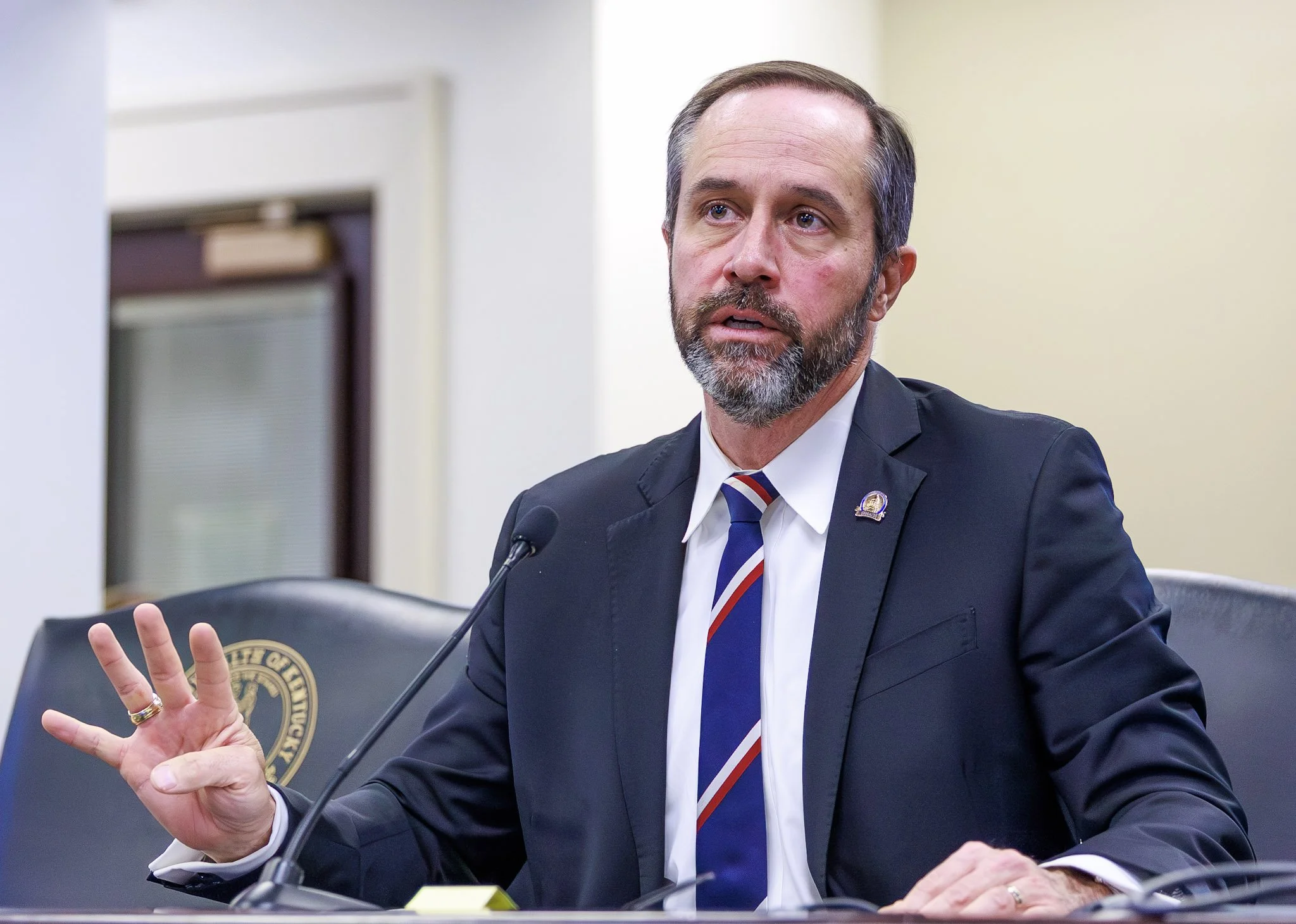
FRANKFORT, Ky. (April 1, 2026)—During a busy day 57 of the 2026 Legislative Session, along with final legislative approval of the two-year state executive branch budget and biennial road plan, lawmakers also approved additional budget related measures, including the state revenue budget, House Bill (HB) 757, and the legislative branch (HB 503) and judicial branch (HB 504) budgets. The measures were carried in the Senate by Senate Budget chair Chris McDaniel, R-Ryland Heights.
REVENUE BILL
Honoring U.S. Senator Mitch McConnell
A provision of HB 757 authorizes the placement of a privately funded statute in the State Capitol Building honoring Mitch McConnell in recognition of his consequential and unprecedented longstanding service to Kentucky, the United States and his historic leadership at the national level.
Modernizes Kentucky’s tax system and reporting rules
Removes outdated rules, like the 200-transaction threshold for sales tax collection
Allows taxpayers to fix estimated tax payment mistakes without filing a new return
Updates reporting requirements for major entities, such as the Tennessee Valley Authority.
Maintains sales tax exemptions for religious institutions, provided they are not directly competing with private businesses
Decouples Kentucky from federal tax changes, with one exception
Kentucky will no longer automatically follow certain updates to federal tax law, allowing state leaders to keep Kentucky’s tax rules stable and predictable.
The one exception is for new federal child savings accounts, commonly called “Trump Accounts,” which are a type of Individual Retirement Account (IRA) designed for kids.
An IRA is a special savings account that helps people set aside money over time, often with tax benefits.
Under this federal program, parents can save up to $5,000 per year for a child under 18.
The federal government also contributes $1,000 for children born between 2025 and 2028.
By staying connected to these accounts, Kentucky families can still take advantage of this new savings opportunity while the state maintains control over its broader tax system.
Kentucky does not adopt certain new federal tax exemptions, including those related to tips, overtime pay, and vehicle interest deductions
Creates new taxes and closes gaps in existing ones
Establishes a tax on fantasy sports operators and limits participation to those 21 and older (starting 2027)
Applies sales tax to data broker services and payphone transactions
Creates a 14.25 percent tax on prediction market platforms, while clarifying treatment to avoid conflicts with federal law
Caps taxes on premium cigars at 6 percent of the distributor’s price
Phases out or ends outdated tax breaks
Ends state participation in certain Tax Increment Financing (TIF) programs over time, while permanently stabilizing existing projects by adjusting the revenue formula tied to income tax changes
Eliminates tax credits that saw little use, like:
Hiring unemployed workers
GED completion incentives
Ends certain energy-related tax exemptions, including for fluidized bed energy facilities
Sunsets the film sales tax refund program in 2030
Supports housing and redevelopment projects
Sets aside 15 percent of historic tax credits for owner-occupied housing and 85 percent for other projects
Defines and prioritizes workforce and affordable housing in redevelopment incentives
Allows longer-term development agreements for certain economic projects
Expands support for the redevelopment of the Humana Building by advancing additional tax credit provisions to facilitate its conversion into a large-scale hotel and convention space, strengthening Kentucky's ability to compete for major national events
Supports tourism and major events
Creates a targeted sales tax exemption for on-site sales at Valhalla Golf Club during major golf tournaments, helping Kentucky to attract high-profile events that drive tourism and local economic activity
Adjusts local and regional tax authority
Allows regional industrial districts to collect occupational license taxes from workers and businesses
Relevant to a partnership between Madison, Fayette and Scott Counties
Lets cities choose which local tax rate to apply within those districts
Adds expiration rules and guardrails on those taxes
Improves tax fairness and compliance
Requires third-party buyers of delinquent property taxes to notify taxpayers every six months
Extends the inheritance tax filing deadline from 18 to 24 months
Expands early payment discounts for estates
Clarifies that closing costs associated with tax-exempt equipment purchases are not subject to sales tax, providing consistency and preventing unexpected costs for businesses and local governments
Updates energy, agriculture and infrastructure policy
Establishes governance and limitations for certain industrial gas pipeline systems, including prohibiting service to residential customers
Adds fluorspar to the list of taxed natural resources under severance taxes
Requires inspection and regulation of electric vehicle charging stations
Defines ethanol types and includes fuel-grade ethanol in gasoline definitions
Removes certain fuel tax refunds for taxi companies
Increases transparency and accountability in government
Requires publication of the state’s tax expenditure report
Requires agencies using federal funds to pay for their own audits
Requires KSP to charge for security at non-state events
Allows executive branch agencies to help fund the Personnel Board
Supports infrastructure and public programs
Creates a housing infrastructure loan fund through the Kentucky Infrastructure Authority
Establishes funding structures for out-of-home care and hospital support programs
Keeps funding tied to jail canteen accounts within those accounts
Makes changes to education and school tax transparency
Requires public notice for school tax increases, including online posting
Sets limits on how long certain school-related tax rates can remain in place
Phases out certain niche school-related taxes over time, including limits on occupational taxes after January 1, 2027, and a sunset of certain personal property taxes by 2027 or 2028
This provision does not relate to standard property tax revenues that support local school district funding
The occupational tax language pertains to Sen. Amanda Mays Bledsoe’s proposed SB 76.
Adds consumer protections and public policy updates
Bans the sale of kratom products in Kentucky
Adds safeguards against deceptive AI-generated political ads by requiring proof of intent to mislead
Increases lobbyist registration fees
LEGISLATIVE BRANCH BUDGET
HB 503 provides for the operations of the legislative branch. It authorizes a 2 percent staff pay increase in both fiscal years. The final version of the bill includes funding to support a study of judicial branch compensation.
JUDICIAL BRANCH BUDGET
HB 504 allocates almost $1 billion total over the biennium to support branch operations. $10 million total proposed by the Senate is maintained in the final version of the bill to support additional judgeships established in the 2022 Legislative Session.
Also passing was HB 816, which allows payment of unpaid claims against the state.
Find all these budget bills and more by visiting Legislature.ky.gov.