
HOUSE APPROVES NUNN’S PROXY
ADVISOR 2.0 TRANSPARENCY BILL
Measure is the next step in the model policy championed by Nunn in the 2025 Legislative Session
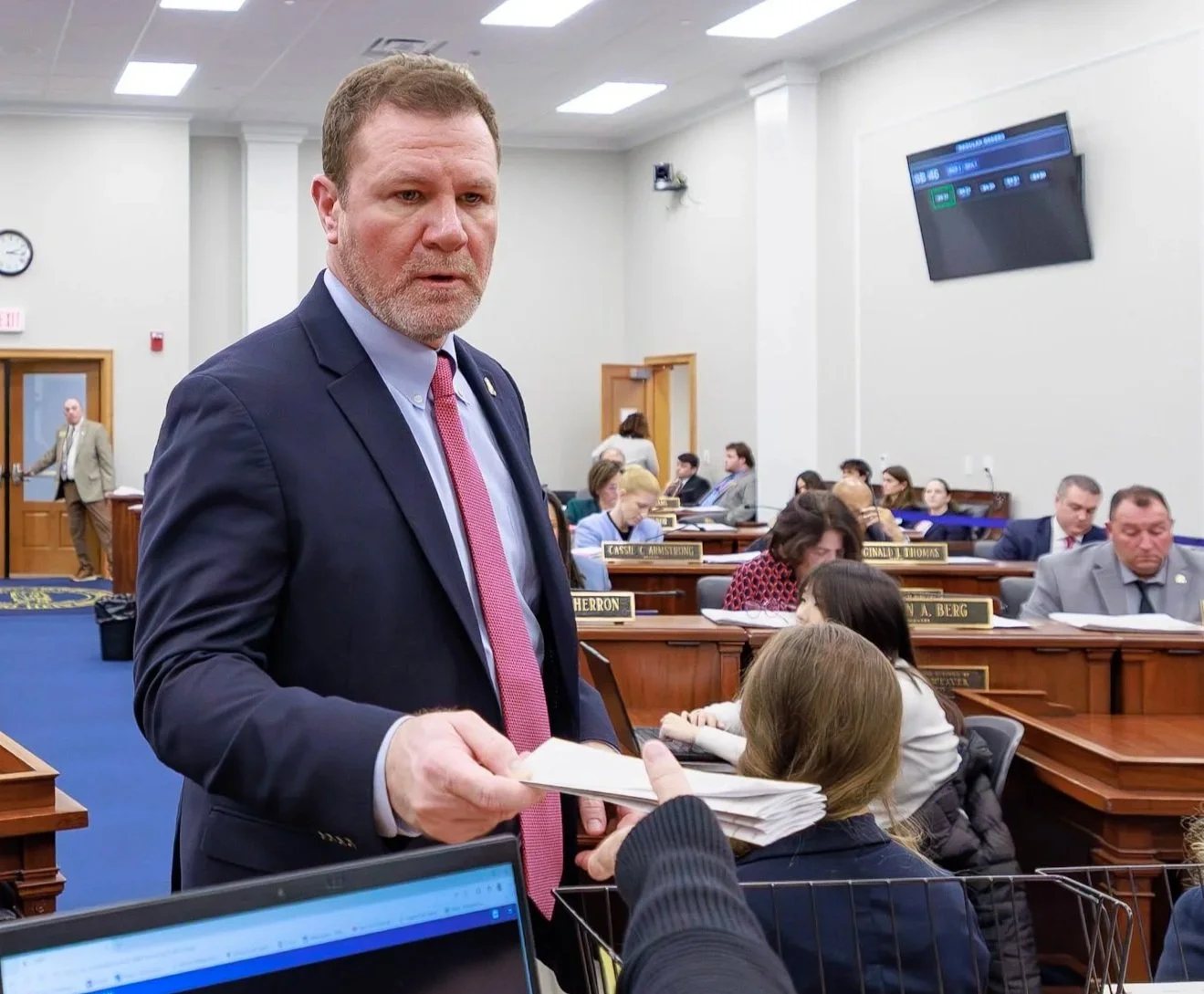
FRANKFORT, Ky. (March 13, 2026)— Legislation sponsored by Sen. Matt Nunn, R-Sadieville, aimed at increasing transparency and accountability for proxy advisory firms has cleared the Kentucky House of Representatives.
Senate Bill (SB) 183 builds on Kentucky’s first-in-the-nation 2025 law regulating proxy advisory firms, which influence shareholder voting decisions for major publicly traded companies.
The House passed SB 183 with a committee substitute that retains the bill’s core requirements while clarifying several definitions and enforcement provisions.
“I appreciate the House advancing this legislation closer to the governor’s desk and continuing Kentucky’s leadership on this issue,” Nunn said. “Proxy advisory firms hold significant influence over shareholder votes that affect workers’ pensions, retirement savings and long-term economic stability. SB 183 helps make sure those recommendations are grounded in sound financial reasoning and that investors have transparency when other considerations are involved.”
Nunn said the bill strengthens accountability for firms that shape corporate governance decisions affecting companies and investors across the country.
“Investment advice that can move billions of dollars in shareholder decisions should be transparent and financially focused,” Nunn said. “This legislation lets investors know recommendations are based on financial analysis and when political agendas may be influencing that guidance.”
The measure was carried in the House by Rep. Michael Meredith, R-Oakland.
“Last year, we took significant steps to protect the investments Kentuckians depend on for their financial livelihood,” Meredith said. “This measure builds on that progress by extending the same disclosure and accountability standards to all publicly traded companies doing business in the commonwealth, ensuring that investment decisions with real-world impacts are based on transparent and consistent financial reasoning. I appreciate Senator Nunn’s work on this issue and his commitment to protecting the hardworking people of our commonwealth.”
BACKGROUND
SB 183 is considered Nunn’s proxy advisor 2.0 bill, following his 2025 legislative efforts that established model legislation for the nation. The 2025 bill was of the same bill number. That law requires proxy advisory firms to base recommendations primarily on financial factors and disclose when non-financial considerations influence their advice.
The 2026 legislation expands those standards to apply to proxy advisory firms serving companies doing business in the commonwealth.
Revisions in the legislative process
House revisions retained Nunn's core framework while providing additional statutory clarity and enforcement provisions.
The substitute establishes additional disclosure requirements when proxy advisory firms provide materially different voting advice to different clients and requires those disclosures to be provided to affected shareholders, companies and the attorney general.
The legislation further clarifies enforcement under Kentucky’s Consumer Protection Act by allowing affected shareholders, companies and recipients of proxy advisory services to seek declaratory or injunctive relief in court while requiring the attorney general to be notified of such actions and preserving the office’s existing enforcement authority.
Finally, the final version of SB 183 includes a narrow provision limiting private causes of action against certain small nonprofit proxy advisory organizations with limited revenue, reserving enforcement authority in those cases to the attorney general.
The legislation also clarifies and defines several statutory terms and references.
SB 183 now returns to the Senate for concurrence with House revisions. The bill may be delivered to the governor's desk as early as Friday. The governor may veto the bill, sign it into law or allow it to become law without his signature. Gubernatorial vetoes are subject to being overridden by the House and Senate.