
STIVERS’ SJR 116 DIRECTS UNIVERSITIES TO TACKLE PHYSICIAN SHORTAGE IN UNSERVED, UNDERSERVED AREAS
Resolution passes full Senate, may be taken up by the House
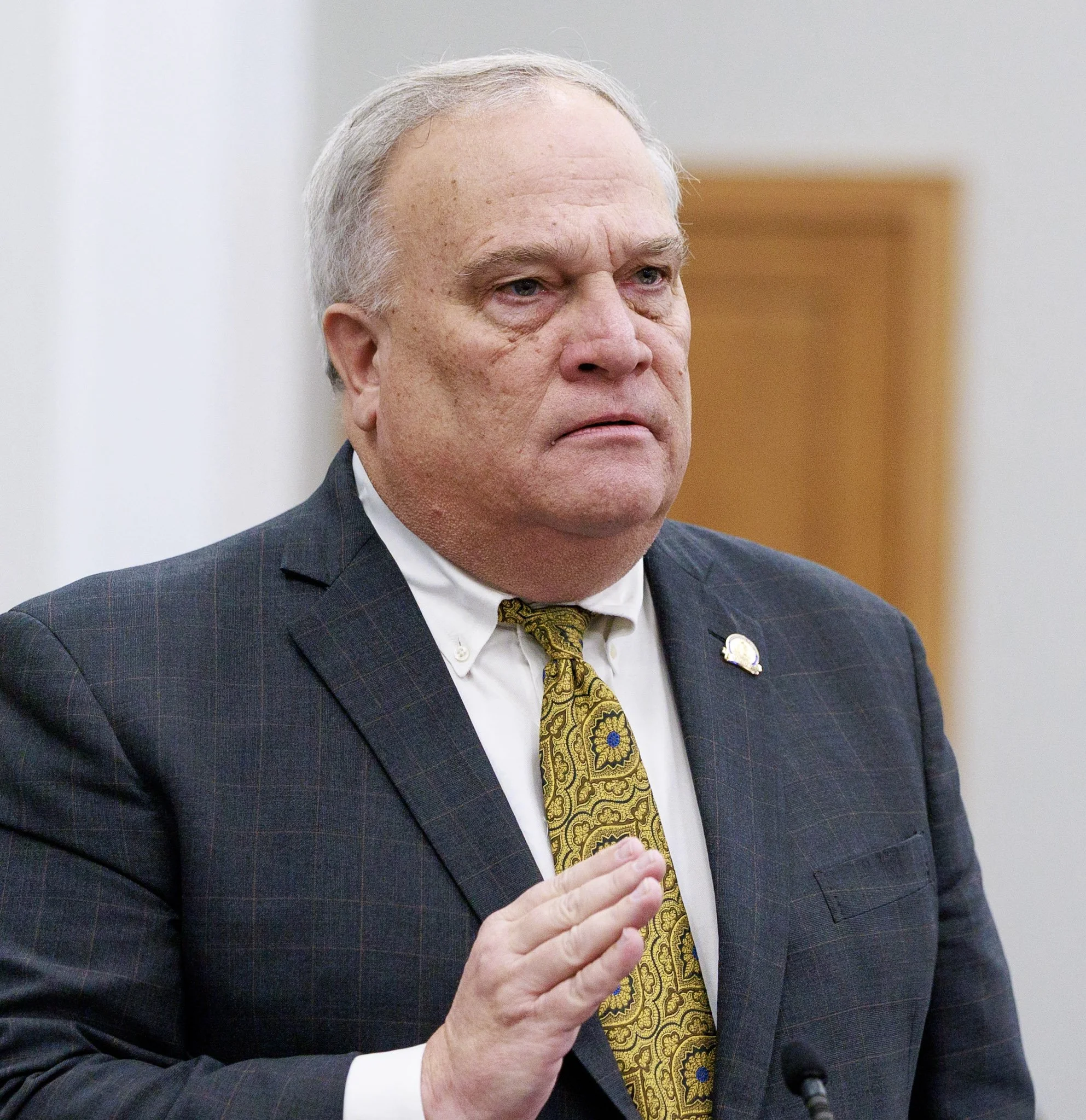
FRANKFORT, Ky. (Mar. 9, 2026)— The following is a statement from Senate President Robert Stivers, R-Manchester, upon the passage of Senate Joint Resolution (SJR) 116 off the Senate floor today. The legislation would direct the University of Kentucky, the University of Louisville, and Eastern Kentucky University to address the physician and health care shortages in unserved and underserved areas. The universities will be required to develop a plan and present it to the General Assembly by Jan. 1, 2027.
“Kentucky’s teaching hospitals are uniquely equipped with cutting-edge technology and access to the latest in healthcare industry trends.
“I challenge each of them to open up their aperture and examine the health care shortage in unserved and underserved areas from all angles and develop a comprehensive solution. Nothing is off the table from recruitment strategies to scholarships or loan forgiveness and leveraging the latest in AI technology.
“I'm excited for what they will uncover working together with industry leaders, the Kentucky Hospital Association, the Kentucky Medical Association and other health care associations over the next nine months.
“I anticipate my House counterparts passing this legislation quickly so we can get this on the governor's desk and get right to work to solve this health care crisis facing Kentucky.”
BACKGROUND
More than 75 percent of Kentucky physicians practice in urban areas, leaving many rural counties without adequate access to primary and specialty care. As a result, residents in medically underserved communities must often travel long distances for treatment. This creates financial and transportation barriers that can lead to delayed or foregone care.
According to the Association of American Medical Colleges, 57 percent of medical residents continue practicing in the state where they complete their training. Lawmakers believe that expanding graduate medical education opportunities in underserved regions could significantly improve long-term physician retention.
Once passed into law, the three universities must collaborate with community partners, state agencies, professional associations and other stakeholders to develop strategies that address workforce shortages, improve physician retention in underserved areas, and expand access through technology and community-based care models.
The coordinated effort will examine initiatives and explore innovative options, including sponsoring community-based graduate medical education programs, expanding residency sites in underserved areas, encouraging safe international physician recruitment, increasing support for recruitment and placement services, diversifying the medical workforce pipeline, expanding telehealth and other technological delivery systems, and strengthening community-based medical models.
This joint resolution, if passed by both chambers, carries the full weight of law. The bill includes $250,000 in the 2026-2027 biennial budget will take effect on July 1.
To find out more about SJR 116 and other legislation taken up by Kentucky’s 2026 General Assembly, go to the Legislative Research Commission homepage here.