HOWELL’S SENATE BILL 5 ACHIEVES FINAL PASSAGE

HOWELL’S SENATE BILL 5 ACHIEVES FINAL PASSAGE 

Bill makes it easier to source Kentucky-grown food for schools

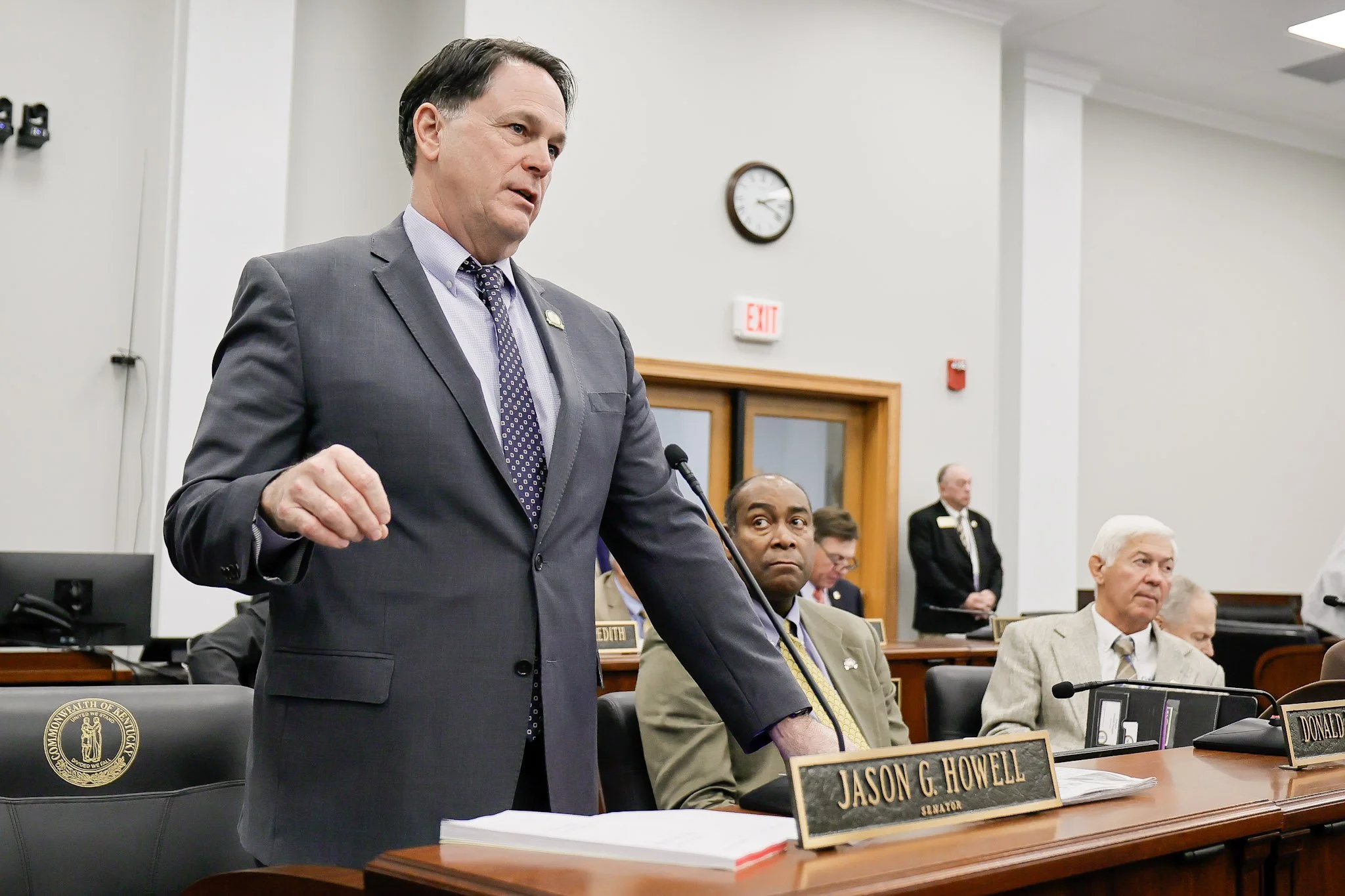
FRANKFORT, Ky. (March 24, 2026) — The Senate concurred with minor changes to Senate Bill (SB) 5, sponsored by Sen. Jason Howell, R-Murray, chair of the Senate Agriculture Committee, today. The bill will now be delivered to the governor for signature.

SB 5 removes barriers that have made it difficult for Kentucky schools to purchase locally grown agricultural products, helping connect students with fresh food while supporting in-state farmers.

The legislation builds on the “Food is Medicine” initiative launched by Kentucky Agriculture Commissioner Jonathan Shell, which promotes the use of fresh, locally sourced food to improve health outcomes and reduce long-term health care costs. The initiative has focused on increasing access to nutritious food in schools, hospitals and high-need communities across the commonwealth.

“SB 5 cuts red tape so our schools can more easily put Kentucky-grown food on the menu and partner directly with local farmers,” Howell said. “With many students relying on school meals for a significant share of their daily nutrition, improving quality is essential to their health and success. This legislation also strengthens training and certification for food service directors, helping ensure high standards and strong nutrition practices in every school.”

SB 5 earned broad support from Kentucky’s agricultural communities. In addition to Commissioner Shell, Kentucky Farm Bureau is also supportive of the measure.

"SB 5 is a win for both our students and our local farmers,” said Rep. Myron Dossett, R-Pembroke, who carried SB 5 in the House. “By giving schools more flexibility to buy Kentucky-grown food, we’re putting fresh, healthy meals on our students’ plates while supporting the farmers who grow it right here at home."

The only revision to the bill from the House was the addition of an emergency clause, meaning the bill will become law effective immediately upon its filing with the Kentucky Secretary of State’s Office. 
SENATOR MATT DENEEN SEES SENATE BILL 46 THROUGH PROCESS

SENATOR MATT DENEEN SEES SENATE BILL 46 THROUGH PROCESS

Bill will ensure safety and save dollars

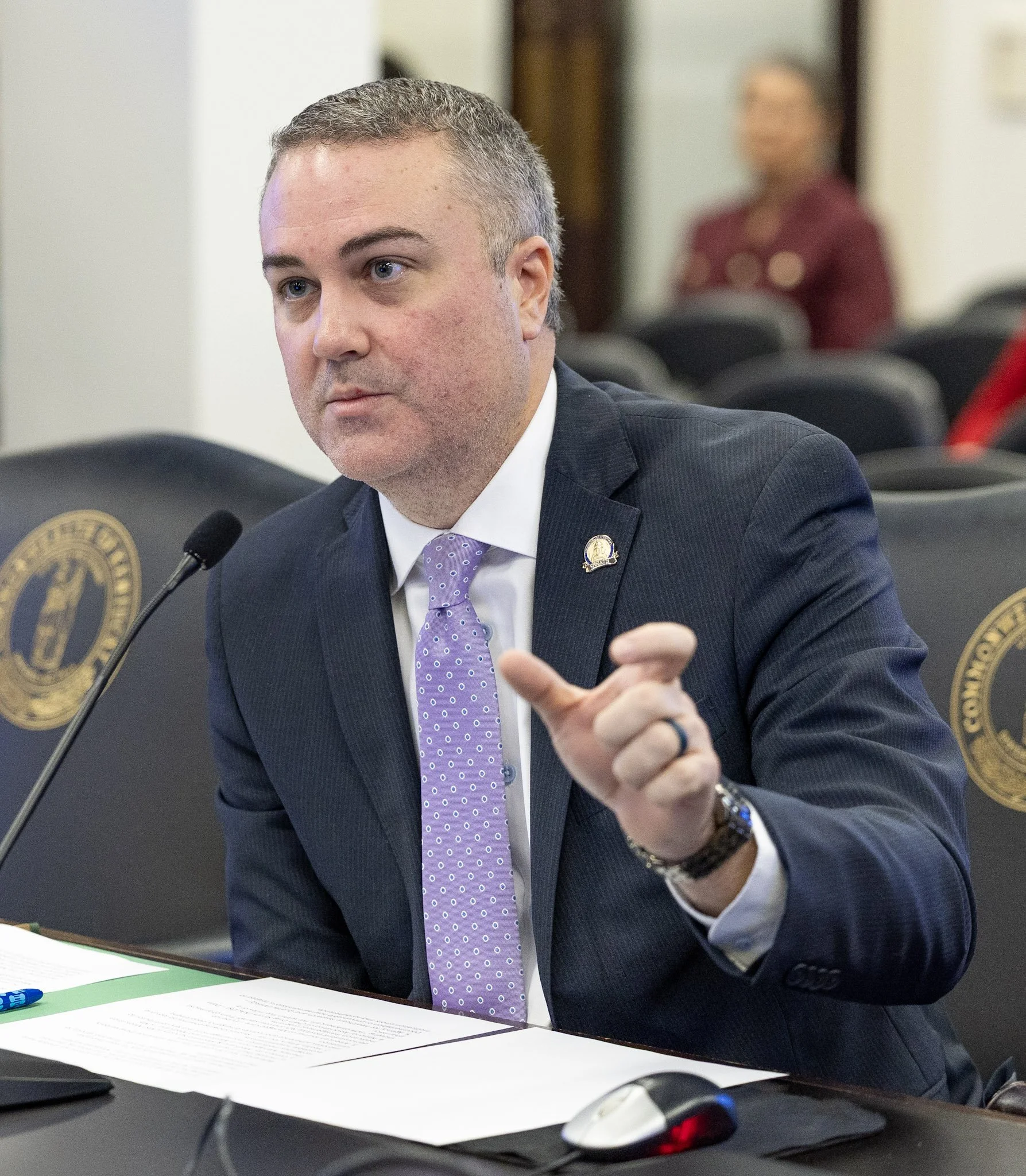
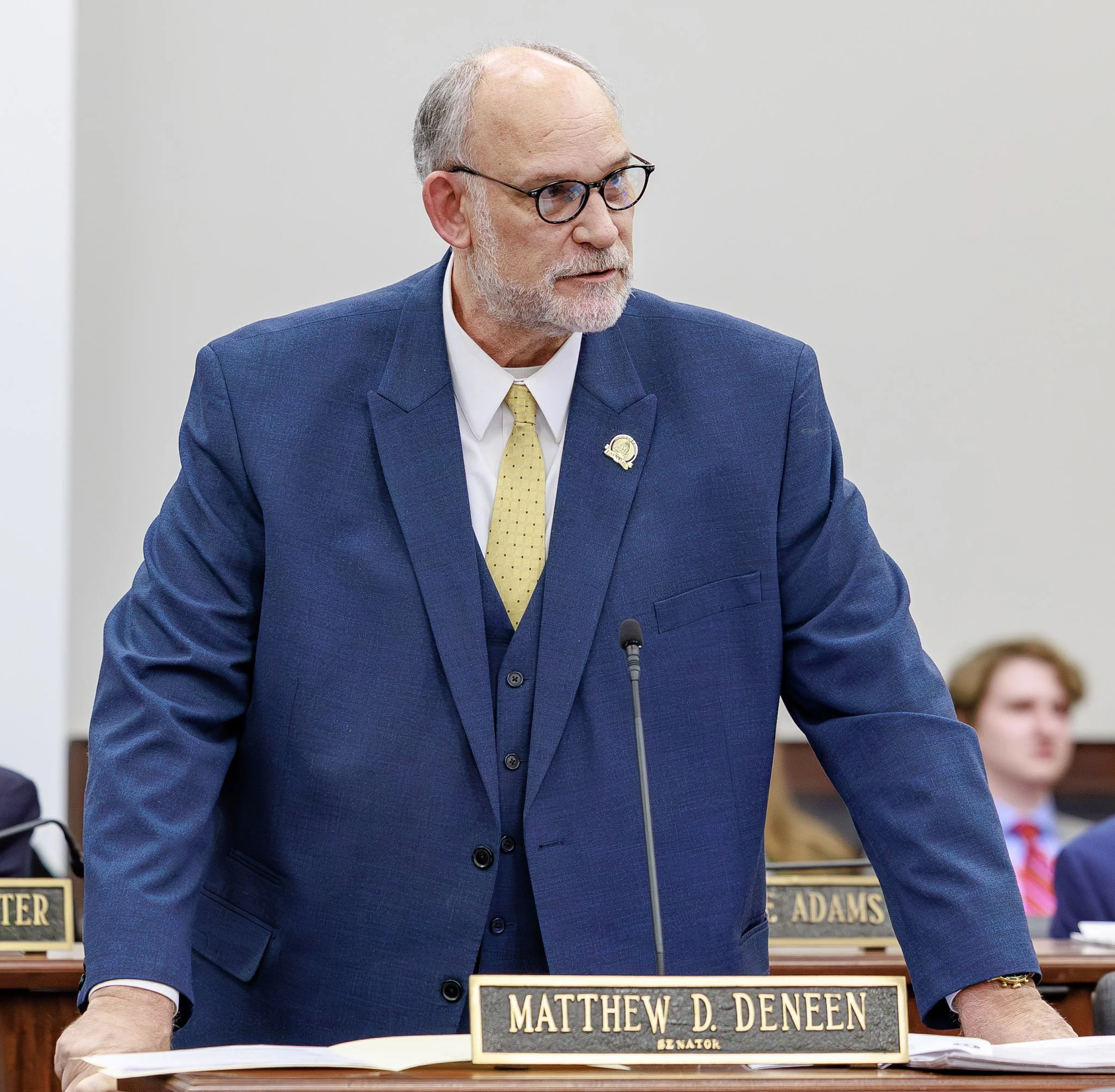
FRANKFORT, KY. (March 24, 2026)— The Senate concurred on changes from the House on Senate Bill (SB) 46 today. Sen. Matt Deneen, R-Elizabethtown, who represents Kentucky’s 10th Senate District and is chair of the Senate Veterans, Military Affairs and Public Protection Committee, gained Senate concurrence on the bill. 

SB 46 provides Kentucky school districts with additional transportation options by allowing the use of passenger vans designed to carry up to 10 people, including the driver, for regular school routes. When these vehicles are used to transport students, the bill requires driver qualifications, training and drug testing. 

For drivers transporting students to and from school activities, they are required to submit to drug testing. Additional qualifications and training requirements for drivers may be established by the school board. 

“As a former school administrator, I know how a commonsense measure like this can alleviate stress and pressure where none should exist in the first place,” Deneen stated. “This ensures our kids are travelling safely when they leave school for those important extracurricular activities. This is also a cost saving measure, saving thousands of dollars in transportation costs that could be put to better use in the classroom.”

The committee substitute clarified training requirements for those driving the vans to and from after-school activities and those driving them on regular or traditional bus routes between home and school.

"SB 46 strikes the right balance between safety and flexibility, allowing schools to better meet transportation needs while ensuring every driver is properly trained, qualified, and tested. I’m glad to see the changes we made to provide more flexibility in using vans in 2024 expanded because they proved successful for districts, said Rep. Emily Callaway, R-Louisville. “Senator Deneen has gone above and beyond to work with stakeholders and I appreciate his efforts to get this update through the legislature.”

This bill enhances flexibility and would also allow students to attend more school activities, thus easing transportation experiences for parents, coaches and teachers.

Drivers using a non-school bus without a school bus commercial license, they must undergo a background check every year to prioritize risk-management measures. These new changes give specific authority to the Kentucky Department of Education to set standards for non-school bus drivers while also establishing credentials for superintendents.

SB 46 will now be sent to the governor’s office for signature.  

You can track SB 46 and other legislation sponsored by Deneen on the official Legislative Research Commission website here.

MEREDITH SAFE ROOM REBATE BILL CLEARS GENERAL ASSEMBLY

MEREDITH SAFE ROOM REBATE BILL CLEARS GENERAL ASSEMBLY

SB 11 establishing a residential storm shelter rebate program heads to governor for final consideration

FRANKFORT, Ky. (March 23, 2026)—Legislation sponsored by Sen. Stephen Meredith, R-Leitchfield, to help expand access to storm-safe shelters across Kentucky has cleared the General Assembly and is now headed to the governor’s desk for final consideration.

Senate Bill (SB) 11 establishes a residential safe room rebate program to help homeowners offset the cost of constructing or installing storm shelters that meet national safety standards and are made available to others in their community during severe weather emergencies.

Under the proposal, eligible homeowners may receive a rebate covering 50 percent of construction or installation costs, up to $5,000, for safe rooms that meet guidelines established by the Federal Emergency Management Agency and the International Code Council.

Meredith said the legislation aims to encourage preparedness and improve access to reliable shelter, particularly in rural areas where residents may live far from centralized community storm shelters.

“Severe weather has become a growing threat across Kentucky, and we have a responsibility to help communities prepare before disaster strikes,” said Meredith. “Senate Bill 11 gives homeowners an opportunity to invest in lifesaving protection while also making that shelter available to neighbors when it matters most. By encouraging preparedness and strengthening access to safe shelter, this legislation helps protect Kentucky families and build more resilient communities.”

The program would be administered by the Kentucky Division of Emergency Management and includes an application process, verification of safety standards, and a public listing of available residential safe rooms that can be used during weather emergencies.

Rep. Rebecca Raymer, R-Morgantown, who carried the bill in the House, said the legislation reflects a proactive approach to protecting Kentucky families.

“We’ve all seen how quickly severe weather can turn dangerous. Senate Bill 11 takes a proactive step to protect Kentuckians by increasing access to safe, reliable shelter and encouraging preparedness before the next storm arrives,” Raymer said. “I want to recognize Morgantown Mayor Billy Phelps for all of his work to bring this opportunity to our attention and appreciate Senator Meredith’s efforts to help families invest in safety while building a stronger, more resilient Kentucky.”

The legislation now awaits final consideration by the governor.

Learn more about bills, committees, and other important updates on the 2026 Regular Session at www.kylegislature.gov.

SENATE MAJORITY CAUCUS CORRECTS MISINFORMATION REGARDING SENATE BILL 4 Kentucky Education Association provides half-truths and misinformation to its members

SENATE MAJORITY CAUCUS CORRECTS 

MISINFORMATION REGARDING SENATE BILL 4

Kentucky Education Association provides half-truths and misinformation to its members

FRANKFORT, Ky. (March 20, 2026)—The following is a response from a Kentucky Senate Majority Caucus spokesperson following an erroneous Kentucky Education Association (KEA) social media post about Senate Bill 4, currently being heard on the Kentucky House floor.

KEA's recent posts on Senate Bill 4 leave out important facts and give the public a distorted picture of what the bill actually does.

First, Senate Bill 4 did not begin as a school board restructuring bill. It left the Senate as a school leadership measure focused on principal development. The board-related language was added later in the House committee substitute. That context matters because that fact makes it clear this bill was not introduced as a sweeping governance overhaul, but evolved during the legislative process.

Second, KEA’s claim that the bill would “shift boards from elected to appointed positions” is misleading. Under the current House committee substitute, a “large school district” is defined as one with a population of 300,000 or more. In those districts, the bill creates a board structure with five elected members from those school district divisions as outlined in statute, and two at-large members appointed by the State Treasurer. That is not the same as replacing elected school boards with appointed boards. Elected members would still make up the majority. At no point does the bill eliminate elections or place control of a school board entirely in the hands of appointed officials.

Third, this is not a sweeping statewide change to every school district in Kentucky. The House committee substitute applies its “large school district” board provisions only to districts above the 300,000-population threshold, and it specifically creates election divisions currently for the Jefferson and Fayette County school boards.

Fourth, KEA overstates the provision related to school district employees’ service as school board members. The current House version makes a person ineligible to serve on a board of education if he or she is a board of education employee in the commonwealth whose position requires more than 100 days of work per year. Committee testimony made clear this provision is tied to cross-district employment and potential conflicts of interest. This is far different from behaving in good faith and honestly telling the public the bill broadly “bans public school educators” while also implying that all elected boards are being wiped away.

Notably, even those who raised concerns during committee testimony, including current and former education leaders, did not describe the bill in the sweeping terms KEA is using. Instead, they acknowledged the proposal contains substantive ideas while calling for refinement, a far more measured assessment than what is now being circulated publicly.

Kentuckians deserve a real explanation, not scare tactics, and the KEA should issue a correction. As the bill now stands, Senate Bill 4 does not abolish elected school boards, does not convert school boards across Kentucky into appointed bodies and does not remove voters from the process altogether. In large school districts, it creates a hybrid board with five elected members and two appointed members, while also tightening eligibility rules for board service. That is a targeted governance change, not a wholesale restructuring.

KEA can make its claims about what is good policy, but that debate should be based on what the bill actually says, not on rhetoric designed to inflame educators and parents with an incomplete and exaggerated description. Kentuckians should expect accuracy in public discourse, especially on issues impacting their local schools.

RICHARDSON’S SB 195 PASSES SENATE, ADVANCING TARGETED CIVIL LIABILITY REFORMS

RICHARDSON’S SB 195 PASSES SENATE, ADVANCING TARGETED CIVIL LIABILITY REFORMS

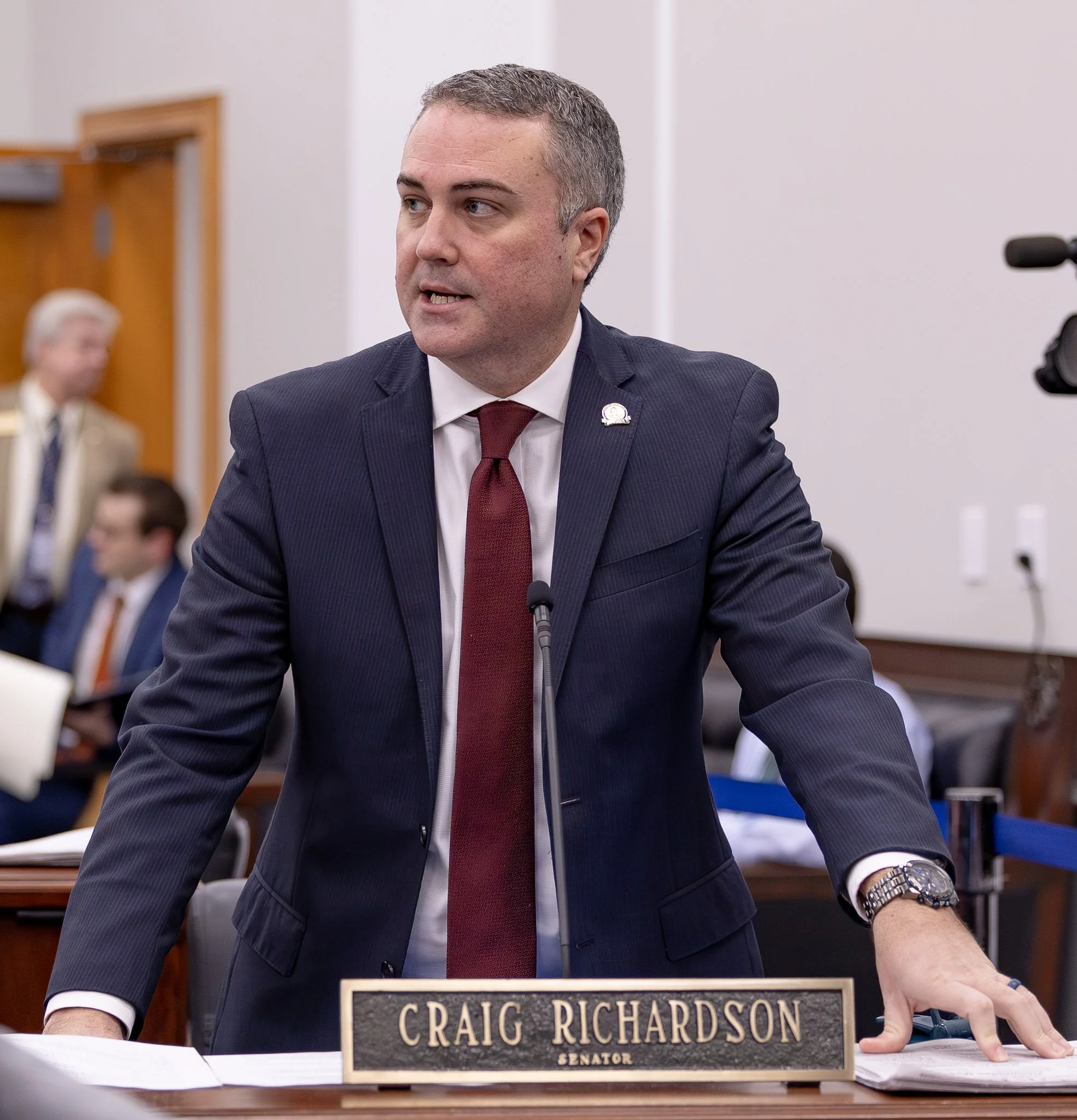
FRANKFORT, Ky. (Mar. 19, 2026) — The Kentucky Senate has passed Senate Bill 195, legislation sponsored by Sen. Craig Richardson, R-Hopkinsville, to update Kentucky law governing civil liability in roadway construction and maintenance projects.

The legislation establishes clear standards for when contractors may be held liable for claims related to public infrastructure projects and creates legal clarity for both contractors and government entities.

Under SB 195, when a state or local government accepts a completed project, a rebuttable presumption is created that the contractor met the required plans and specifications and fulfilled its contractual responsibilities.

The bill also provides that contractors are not liable for damages unless it can be shown that a failure to follow specifications or a hidden defect in their work was a substantial factor in causing injury, damage or death.

Additionally, SB 195 establishes a rebuttable presumption in certain civil cases involving roadway incidents. If a driver is impaired or traveling 25 miles per hour or more over the speed limit, that conduct may be presumed to be a substantial factor in causing the harm.

The legislation further clarifies that contractors are not responsible for design decisions or engineering judgments made by government entities, unless the contractor specifically assumed those responsibilities.

“This legislation brings clarity and fairness to Kentucky’s civil liability system,” Richardson said. “It ensures contractors who follow the rules are protected, while still holding bad actors accountable when negligence occurs.”

Richardson said the bill helps create a more predictable legal environment that supports infrastructure development while maintaining protections for the public.

“Clear standards benefit everyone,” Richardson said. “This bill helps ensure projects can move forward efficiently while preserving accountability and protecting taxpayer interests.”

Senate Bill 195 now heads to the Kentucky House of Representatives for consideration.

HOWELL’S SENATE BILL 199 DELIVERED TO THE GOVERNOR

HOWELL’S SENATE BILL 199 

DELIVERED TO THE GOVERNOR

Consumer protections and alignment with federal law

FRANKFORT, Ky. (March 18, 2026) — Senate Bill (SB) 199, proposed by Sen. Jason Howell, R-Murray and chair of the Senate Agriculture Committee, achieved final passage through the Kentucky House of Representatives Tuesday. The goal of this bill is to ensure Kentucky’s pesticide labeling standards mirror the national Environmental Protection Agency (EPA) guidelines.

“SB 199 aligns Kentucky law with federal standards, providing a consistent framework that protects farmers, safeguards consumers and ensures continued access to the tools and products that Kentucky agriculture depends on,” said Rep. Ryan Bivens, R-Hodgenville, who carried SB 199 on the House floor. “This is about making sure everyone, from family farmers to large-scale producers, has clear, reliable information about the products they use every day.”

The federal EPA establishes pesticide regulation and approves the content of all warning labels. Under SB 199, a pesticide label approved by the EPA is deemed sufficient under Kentucky law for duty-to-warn claims. The bill sustains consistency and provides protection for farmers against increased prices and lawsuit risks.

A floor amendment stipulated that pesticides with EPA-approved labels, including agricultural use requirements labels, serve as sufficient warnings for residential or production agricultural purposes.

The agricultural use requirements outline federal worker protection standards, including requirements like users are to wear personal protective equipment and provide additional restrictions. With this update, this language now applies to a smaller number of products that carry both labels and points to the user's responsibility for safe use.

This bill strikes a fair balance between protecting Kentucky production agriculture while preserving all possible consumer protections," Howell said. “This measure will enhance consistency between state and federal law, while also preserving consumer protections.”  

Moreover, Howell stated this legislation would essentially enforce accountability and liability methods when safety warnings lack accuracy, thereby efficiently directing agricultural and business operations. 

The bill has been sent to the governor for signature who can sign it into law, allow it to become law without his signature or veto the bill. With the supermajorities in both chambers, the General Assembly can swiftly override any veto.

For the complete bill language, including the floor amendments placed on the bill, go to SB 199 here.

SENATE APPROVES DISCIPLINED, BALANCED STATE BUDGET PROPOSAL

SENATE APPROVES DISCIPLINED,

BALANCED STATE BUDGET PROPOSAL

Conference committee likely to be formed to determine final budget decisions

FRANKFORT, Ky. (March 18, 2026)— The Senate has returned an amended version of House Bill (HB) 500, the commonwealth’s two-year executive branch budget plan, to the state House of Representatives for consideration. The bill was approved unanimously by the full members, both Democratic and Republican.

The budget bill with Senate revisions is balanced and forward-looking, and puts Kentucky taxpayers first. 

It maintains structural integrity without relying on one-time dollars for recurring expenses, preserves strong reserve levels while enabling strategic one-time investments through House Bill 900, and prioritizes reducing long-term liabilities alongside funding essential government services.

The proposal largely aligns with the House framework while sustaining key investments in education, including SEEK funding, school safety, student support services and workforce initiatives, and maintaining core commitments to Medicaid, behavioral health and vulnerable populations. It fully funds pension and health obligations, supports state employees and public safety personnel, and continues investments in infrastructure, higher education and facility maintenance.

The Senate plan also includes targeted enhancements such as additional support for postsecondary performance funding, school innovation and construction, Medicaid cost containment and provider reimbursement improvements, pension liability reduction, a one-time retiree payment, and increased support for public safety, local governments and corrections. Further investments advance energy development, disaster response capacity, technology modernization and cybersecurity, while strengthening oversight, budget flexibility and fiscal discipline, maintaining significant reserves and a low debt ratio to ensure long-term financial stability.

Click here to access a detailed news release from the Senate Majority Caucus earlier today, following unanimous Senate Appropriations and Revenue Committee approval of the measure.

"The Senate’s budget proposal reflects a disciplined approach to governing," said Senate budget chair Chris McDaniel, R-Ryland Heights. "We fully fund our obligations, protect critical services and make targeted investments while maintaining a structurally balanced budget. We are reducing long-term liabilities, preserving strong reserves and ensuring taxpayer dollars are used responsibly—not just for today, but to secure the commonwealth’s financial future.”

The Senate also approved HBs 503, 504, and 900, measures supporting operations of the legislative and judicial branches of government, as well as identifying $810 million in funds from the state's budget reserve trust fund to be utilized for one-time transformative funding or projects across the commonwealth. 

Because the Senate adopted changes, these bills will now return to the House for further consideration. Lawmakers from both chambers will continue working together in the coming days to finalize a two-year budget that meets the needs of Kentuckians while protecting the commonwealth’s long-term financial health.

HOWELL’S SENATE BILL 199 ALIGNS KENTUCKY CONSUMER PROTECTION LAW WITH FEDERAL GUIDELINES

HOWELL’S SENATE BILL 199 

ALIGNS KENTUCKY CONSUMER PROTECTION LAW 

WITH FEDERAL GUIDELINES

CORRECTION:  SENATE BILL 199 IS TO BE CONSIDERED ON CONCURRENCE THURSDAY, MARCH 19.  

FRANKFORT, Ky. (March 18, 2026) — Senate Bill (SB) 199, proposed by Sen. Jason Howell, R-Murray and chair of the Senate Agriculture Committee, achieved passage through the Kentucky House of Representatives Tuesday. The goal of SB 199 is to ensure Kentucky’s pesticide labeling standards mirror the national Environmental Protection Agency (EPA) guidelines.

“SB 199 aligns Kentucky law with federal standards, providing a consistent framework that protects farmers, safeguards consumers and ensures continued access to the tools and products that Kentucky agriculture depends on,” said Rep. Ryan Bivens, R-Hodgenville, who carried SB 199 on the House floor. “This is about making sure everyone, from family farmers to large-scale producers, has clear, reliable information about the products they use every day.”

The federal EPA establishes pesticide regulations and approves the content of all warning labels. Under SB 199, a pesticide label approved by the EPA is deemed sufficient under Kentucky law for duty-to-warn claims. The bill sustains consistency and provides protection for farmers against increased prices and lawsuit risks.

A floor amendment stipulated that pesticides with EPA-approved labels, including agricultural use requirements labels, serve as sufficient warnings for residential or production agricultural purposes.

The agricultural use requirements outline federal worker protection standards, including requirements like users are to wear personal protective equipment and provide additional restrictions. With this update, this language now applies to a smaller number of products that carry both labels and points to the user's responsibility for safe use.

This bill strikes a fair balance between protecting Kentucky production agriculture while preserving all possible consumer protections," Howell said. “This measure will enhance consistency between state and federal law, while also preserving consumer protections.” 

Moreover, Howell stated this legislation would essentially enforce accountability and liability methods when safety warnings lack accuracy, thereby efficiently directing agricultural and business operations. 

Upon the Senate concurring with the House changes, the bill will be sent to the governor for signature. The governor can sign it into law, allow it to become law without his signature or veto the bill. With the supermajorities in both chambers, the General Assembly can swiftly override any veto.

For the complete bill language, including the floor amendments placed on the bill, go to SB 199 here.

SENATE APPROVES “WYNTER’S LAW” TO STRENGTHEN KENTUCKY AMBER ALERT SYSTEM

SENATE APPROVES “WYNTER’S LAW” TO STRENGTHEN KENTUCKY AMBER ALERT SYSTEM 

Sen. Brandon Storm legislation to clarify activation standards and improve coordination in missing child cases

FRANKFORT, KY. (March 17, 2026) — The Kentucky Senate has approved Senate Bill (SB) 289, legislation sponsored by Sen. Brandon Storm, R-London, aimed at strengthening Kentucky’s Amber Alert system and improving coordination when a child is abducted or reported missing and endangered.

SB 289, titled Wynter’s Law, updates Kentucky statute governing the Amber Alert system to clarify activation standards and strengthen coordination among law enforcement agencies, state partners, and media providers when time is critical.

The legislation was filed following concerns raised by a recent missing child case in Kentucky that highlighted potential gaps in the existing alert framework. The measure seeks to ensure law enforcement has clearer authority and stronger coordination tools to notify the public quickly when a missing child may be in danger and public awareness could assist in their safe recovery.

The bill modernizes language in state law, reinforces that the Kentucky State Police have sole authority to activate the Amber Alert system, and provides clearer guidance on when alerts may be issued, including situations involving children in state custody, juvenile justice placements, or other cases where rapid public notification could help locate a missing child.

“As lawmakers, one of our most basic responsibilities is making sure our laws give law enforcement the tools they need to protect children,” Storm said. “Wynter’s Law strengthens Kentucky’s Amber Alert system so that when a child goes missing, agencies can act quickly, coordinate effectively, and get critical information to the public without delay. When a child’s safety is on the line, every second matters.”

Kentucky’s Amber Alert system relies on multiple communication channels to notify the public, including highway message boards, emergency broadcast systems, law enforcement networks, and local, regional, and statewide media outlets.

SB 289 now heads to the House of Representatives for consideration.

Learn more about bills, committees, and other important updates on the 2026 Regular Session at www.kylegislature.gov. 

SENATE PASSES WHEELER BILL TO ESTABLISH PROCESS FOR WORKFORCE PELL TRAINING PROGRAMS

SENATE PASSES WHEELER BILL TO ESTABLISH PROCESS FOR WORKFORCE PELL TRAINING PROGRAMS

FRANKFORT, KY. (March 17, 2026)—Senate Bill (SB) 249, sponsored by Sen. Phillip Wheeler, R-Pikeville, has passed the Kentucky State Senate. The bill will create a state process to approve workforce training programs for eligible federal Workforce Pell Grants.

“Just as Pell Grants help students pursue higher education, Workforce Pell Grants will help working Kentuckians gain the skills they need to succeed in today’s economy,” Wheeler said.

The bill directs the governor, in consultation with the Kentucky Workforce Innovation Board, to approve qualifying workforce training programs and coordinate them with other workforce programs to avoid duplicate funding for the same student costs. 

SB 249 also requires the Workforce Innovation Board to create a procedure to ensure that programs meet federal eligibility requirements for Workforce Pell Grants. 

Wheeler said the measure helps ensure Kentucky has a clear and coordinated process in place as new federal workforce training opportunities become available. 

“Workforce Pell Grants create new opportunities for students to gain valuable training and skills,” Wheeler said. “Senate Bill 249 helps ensure Kentucky has a clear process to approve these programs, coordinate them with existing workforce initiatives, and that they meet federal requirements so students can take full advantage of these opportunities.” 

The bill contains an emergency clause, allowing the changes to take effect immediately upon enactment.

SB 249 now heads to the Kentucky House of Representatives for consideration.

Learn more about bills, committees, and other important updates on the 2026 Regular Session at www.kylegislature.gov. 

WEST BILL BUILDS ON SCHOOL INNOVATION ACT TO EXPAND FLEXIBILITY FOR KENTUCKY SCHOOLS

WEST BILL BUILDS ON SCHOOL INNOVATION ACT

 TO EXPAND FLEXIBILITY FOR KENTUCKY SCHOOLS

Measure refines waiver process and launches pilot program for innovative school models

FRANKFORT, Ky. (March 17, 2026) — The Senate has passed Senate Bill (SB) 263 sponsored by Sen. Steve West, R-Paris, who serves as the chair of the Senate Education Committee. The measure enhances the state’s Schools of Innovation program, which gives local districts greater ability to improve student achievement by piloting innovative instructional methods and increasing local flexibility in designing school instruction. At the same time, it gives local schools greater authority to implement reforms.

SB 263 continues the work of SB 207, the Schools of Innovation law, which was passed in the 2025 Legislative Session. Under the law, public schools in Kentucky may apply for waivers from specific state statutes and administrative regulations to test new instructional approaches within the public school system.

SB 263 makes some reforms to the original law, including changes to the waiver process and greater flexibility for schools and districts to apply for waivers. It requires the Kentucky Department of Education (KDE) to assist districts with waiver applications and act on requests within 30 days. The bill also clarifies districts will not face penalties for actions previously approved by KDE under an innovation plan.

The proposal includes a pilot project that will consist of at least three unique schools statewide and must operate under certain conditions. Participating schools may not operate as virtual programs. Applications must propose a significant innovative educational opportunity to improve student outcomes and must identify matching funds from district revenues, philanthropic contributions or other dedicated sources to support the school through the duration of the pilot program.

“Last year, we made it possible for schools to try out innovative ideas while still maintaining key standards and oversight,” West said. “Senate Bill 263 makes it easier by streamlining and clarifying the process so more districts have an efficient and practical way to pursue new approaches and address student achievement challenges.”

The bill establishes an innovation pilot project fund within KDE. Participating schools also could use district money, private donations and other funds. Under the measure, participating school districts would also have to report to the Legislative Research Commission so lawmakers can gauge whether the program is making a difference and whether further changes are needed. The report must include a description of the school district’s innovative activities, partners, services and academic programs provided, general accounting and more. 

West says the legislation acknowledges that the General Assembly's focus remains on providing local educators with the proper tools to address classroom challenges while maintaining sufficient control and public accountability.

“Education policy should give schools the tools they need to adapt and improve,” West said. “By building on the foundation we set last year, this legislation refines the process and gives schools more room to pursue solutions that work best for the students they serve.”

SB 263 now moves to the House of Representatives for consideration. 

STIVERS’S SENATE BILL 324 PASSES FULL SENATE

STIVERS’S SENATE BILL 324

PASSES FULL SENATE 

Bill strengthens Kentucky to attract more film, video games, commercial and music production

FRANKFORT, Ky. (March 17, 2026)—The Kentucky Senate passed Senate Bill (SB) 324, legislation sponsored by Senate President Robert Stivers, R-Manchester, off the Senate floor today.  

SB 324 builds on the foundation laid in 2025 with the passage of SB 1, sponsored by Sen. Phillip Wheeler, R-Pikeville, which established the Kentucky Film Office.

The bill aims to modernize and strengthen the Commonwealth’s film and entertainment incentive program to attract high-impact productions and drive economic growth. SB 324 also updates the roles and responsibilities of the Kentucky Film Leadership Council, clarifies statutory definitions, and expands eligible productions to include video games, music videos, and commercials.

SB 324 allows any unallocated portion of the current $75 million annual tax credit cap to be carried forward for use in future years for major motion pictures and entertainment productions. The bill enhances oversight and coordination by requiring the Kentucky Film Office to review applications and forward completed applications to the Cabinet for Economic Development and the Kentucky Film Leadership Council.

“Senate Bill 324 positions Kentucky to compete more effectively for major film and entertainment projects while ensuring accountability for taxpayer dollars,” Stivers said. “By modernizing our incentive structure, expanding eligible productions, and strengthening oversight, we are creating an environment that supports job creation, encourages investment, and showcases Kentucky to a global audience.”

Stivers was joined last week by Meg Fister, the new Kentucky Film Office executive director, when they presented the legislation before the Senate Economic Development Committee. Fister is a Kentucky native who has returned to the Bluegrass State after producing film and television shows in California and New York.

The legislation raises minimum thresholds for qualifying expenditures and payroll to ensure a stronger return on investment and requires approved companies to submit a certified audit within 180 days of completing a production.

The bill now heads to the House of Representatives for consideration.

GIVENS: VETO OVERRIDE OF HOUSE BILL 1 OPENS NEW EDUCATION OPPORTUNITIES FOR KENTUCKY STUDENTS

GIVENS: VETO OVERRIDE OF HOUSE BILL 1 OPENS NEW EDUCATION OPPORTUNITIES FOR KENTUCKY STUDENTS

FRANKFORT, Ky. (March 17, 2026) – The following is a statement from Senate President Pro Tempore David Givens, R-Greensburg, regarding the General Assembly’s override of the governor’s veto of House Bill 1.

“Now that House Bill 1 will become law, Kentucky students will have access to potentially hundreds of millions of dollars in federal support to help meet their individual educational needs. That is a significant opportunity, and one we should all be working together to maximize.

“I believe I speak for the majority of the General Assembly, as well as families and educators across the commonwealth, in calling on the Governor to join us in supporting this effort. If we are serious about putting students first, then we should be just as serious about ensuring every available dollar is brought back home to Kentucky.

“This law is designed with students at the center. No public dollars are directed to any particular school. Instead, contributions go to scholarship granting organizations, which then provide scholarships directly to eligible students and families, including those served by our public schools. The focus is not institutions, but rather opportunity

“So I would again encourage the Governor, and anyone who cares about Kentucky’s future, to take part. Write a $1,700 check to a scholarship granting organization of your choice utilizing the $1,700 federal tax credit and help demonstrate that we value investing as many federal dollars inKentucky students as we can.

“This is about expanding opportunity, empowering families and making sure Kentucky is positioned to benefit from every resource available to us. Now is the time to come together and make that happen as successfully as possible. 

“If you were an opponent before, there is time to be a proponent now.”

DOUGLAS BILL ADVANCING IBOGAINE RESEARCH FRAMEWORK HEADS TO THE HOUSE

DOUGLAS BILL ADVANCING IBOGAINE RESEARCH FRAMEWORK HEADS TO THE HOUSE

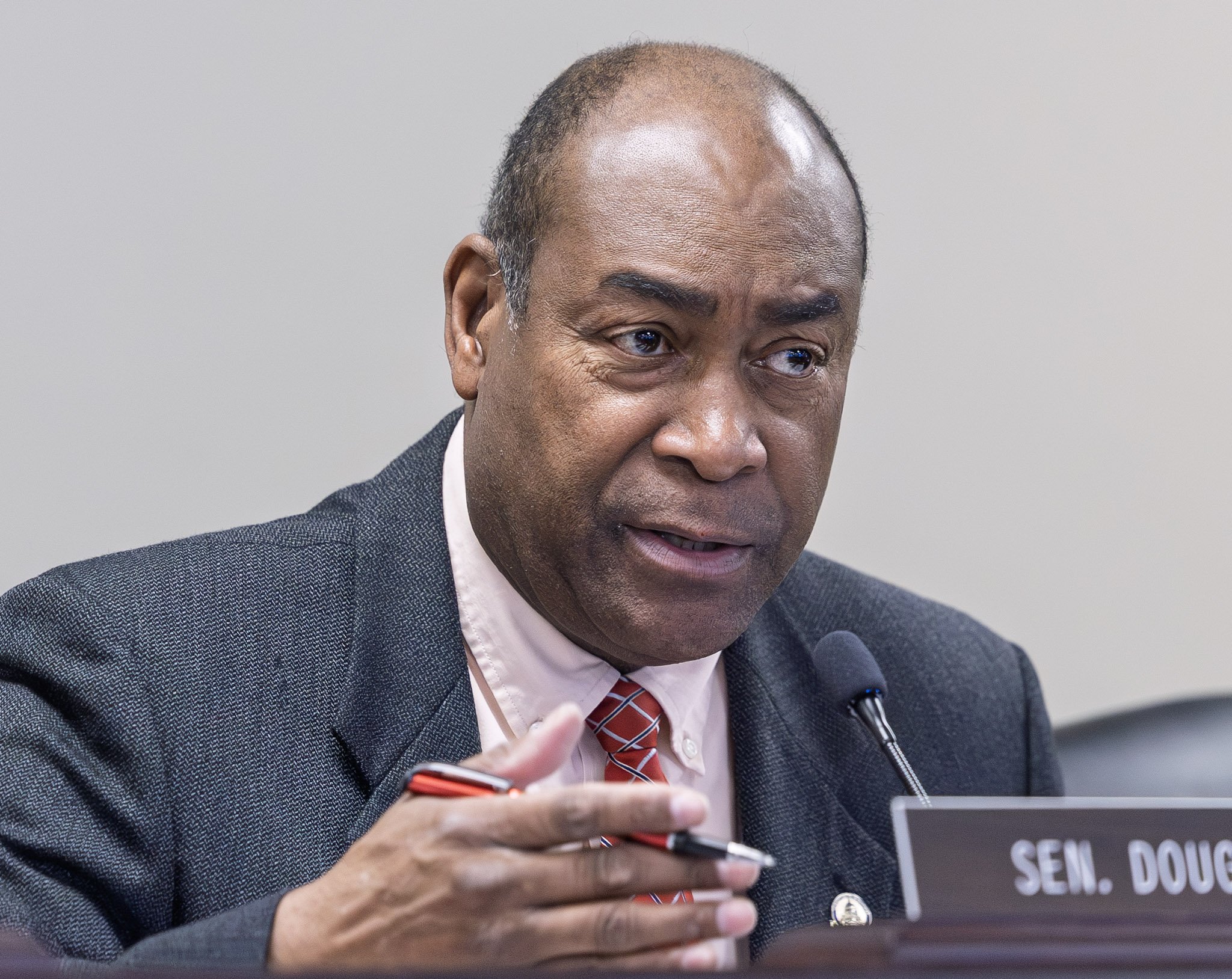
FRANKFORT, Ky. (March 16, 2026) — Legislation sponsored by Sen. Donald Douglas, R-Nicholasville, creating a research framework for ibogaine-based treatments has passed the Kentucky Senate and now heads to the House of Representatives for consideration.

Senate Bill 77 establishes a structured framework allowing Kentucky to explore the scientific and clinical potential of ibogaine in the treatment of opioid use disorder, co-occurring substance use disorders, and later post-traumatic stress disorder, traumatic brain injury, and other neurological or mental health conditions where early research has shown promise.

“As a physician, I have seen firsthand how devastating addiction can be for patients and their families. Any loss of life is a tragedy, especially those that we have the potential to prevent,” Douglas said. “This legislation creates a responsible pathway for Kentucky to explore medical research and the approval of life-saving medications while maintaining strong safeguards and transparency.”

SB 77 outlines a framework for the commonwealth to partner with qualified drug developers seeking to conduct FDA-approved clinical trials involving ibogaine. The legislation establishes clear standards for participation, including requirements related to clinical trial design, patient safety protocols, regulatory compliance and transparency.

The bill also includes provisions to ensure the state maintains appropriate oversight of any research partnerships and protects the public interest as new treatment options are explored and expanded.

Douglas said the legislation is designed to position Kentucky as a leader in responsible medical research while expanding the conversation around innovative approaches to improve dependence, addiction and mental health treatment.

“Kentucky continues to confront the devastating effects of addiction,” Douglas said. “This bill creates a thoughtful framework for research so we can better understand potential treatments and pursue solutions grounded in science, safety, clinical results and accountability. We hope to pave the road back to strong and happy families and a healthier, more productive workforce.”

Senate Bill 77 now moves to the House of Representatives for further consideration. Douglas said the measure could prove to be one of the most consequential pieces of legislation considered during this year’s session.

MILLS HOUSING LEGISLATION PASSES OUT OF THE SENATE, CONTINUING EFFORT TO EXPAND HOUSING SUPPLY IN KENTUCKY

MILLS HOUSING LEGISLATION PASSES OUT OF THE SENATE, CONTINUING EFFORT TO EXPAND HOUSING SUPPLY IN KENTUCKY

FRANKFORT, Ky. (March 16, 2026) — Two housing measures sponsored by Sen. Robby Mills, R-Henderson, have passed the Kentucky Senate and now head to the House of Representatives for consideration, continuing ongoing efforts to expand Kentucky’s housing supply and remove regulatory barriers that slow home construction.

Senate Bills 224 and 225 build on years of work led by Mills as co-chair of the Kentucky Housing Task Force, which has examined housing shortages, rising costs and development challenges facing communities across the commonwealth.

“Kentucky needs more homes, and that means making it easier to build them,” Mills said. “These bills continue the work we’ve been doing through the Housing Task Force to remove unnecessary red tape and help communities increase housing supply while keeping decisions local.”

Both measures are part of a broader effort by Mills and the Housing Task Force to address the housing shortage affecting many parts of Kentucky. The task force has spent years studying workforce housing needs, regulatory challenges and development barriers in both rural and urban communities.

“Kentucky’s economic growth depends on having enough housing for workers and families,” Mills said. “If we want communities to grow and businesses to expand, we have to make sure people have a place to live.”

The Senate passage of SB 224 and SB 225 marks another step in the General Assembly’s efforts to expand housing opportunities across the commonwealth and support continued economic growth.

Both bills now move to the House of Representatives for further consideration.

ELKINS BILL MODERNIZING COUNTY TREASURER LAW PASSES OUT OF THE SENATE

ELKINS BILL MODERNIZING COUNTY TREASURER LAW PASSES OUT OF THE SENATE

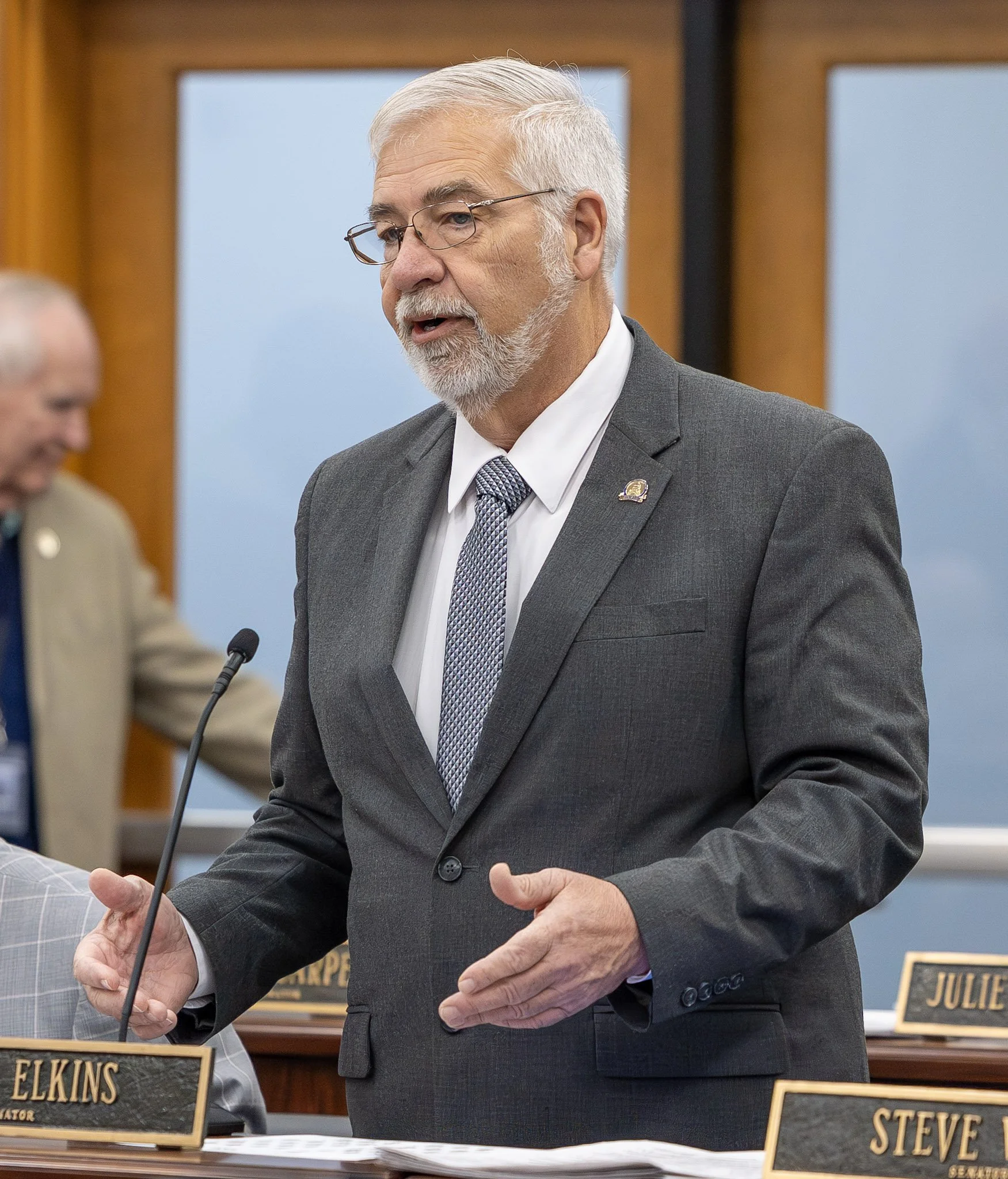
FRANKFORT, Ky. (March 16, 2026) — Legislation sponsored by Sen. Greg Elkins, R-Winchester, updating Kentucky law governing county treasurers has passed the Kentucky Senate and now heads to the House of Representatives for consideration.

Senate Bill 149 modernizes statutes related to the appointment and service of county treasurers while providing counties with clearer procedures for filling vacancies and maintaining continuity in financial oversight.

“County governments depend on strong financial management,” Elkins said. “This legislation clarifies existing law and ensures counties have the flexibility and tools they need to maintain responsible oversight of public funds.”

The legislation updates state law to align with current practices for appointing county treasurers and clarifies the process for appointing an acting treasurer if the position becomes vacant or if the treasurer is temporarily unable to perform the duties of the office.

SB 149 also confirms that fiscal courts may appoint a deputy county treasurer to assist with the responsibilities of the office and maintain continuity of operations when needed.

Elkins said the bill reflects a common-sense effort to ensure county governments have clear statutory guidance when managing key financial positions.

“This is about clarity and stability for local government,” Elkins said. “When counties are handling taxpayer dollars, they need clear processes in place to make sure operations continue smoothly.”

Senate Bill 149 now moves to the House of Representatives for further consideration.

RICHARDSON BILL TO MODERNIZE KENTUCKY’S VITAL RECORDS SYSTEM HEADS TO THE HOUSE

RICHARDSON BILL TO MODERNIZE KENTUCKY’S VITAL RECORDS SYSTEM HEADS TO THE HOUSE

FRANKFORT, Ky. (March 16, 2026) — Legislation sponsored by Sen. Steve Richardson, R-Hopkinsville, modernizing Kentucky’s vital records system has passed the Kentucky Senate and now heads to the House of Representatives for consideration.

Senate Bill 147 updates state law governing the issuance and maintenance of birth and death records while clarifying procedures used by state and local officials responsible for maintaining those records.

The legislation confirms that certified copies of vital records carry the same legal weight as original documents and must clearly indicate when records have been delayed or amended.

SB 147 also updates administrative procedures related to vital records, including modest adjustments to certain fees while expanding fee waivers for veterans, National Guard members, children in state custody, homeless individuals, natural disaster victims and others facing hardship.

Richardson said the bill is intended to modernize Kentucky’s vital records system while ensuring the information remains accurate, accessible and secure.

“Vital records play an important role in many aspects of daily life, from verifying identity to administering public services,” Richardson said. “This legislation updates our laws to reflect modern practices while maintaining strong safeguards and ensuring those records remain reliable.”

The bill also strengthens coordination between death records and voter registration maintenance by requiring regular reporting of deceased individuals to the State Board of Elections and establishing procedures to remove them from voter rolls while protecting voters from improper removal.

Richardson said the legislation will help ensure government records remain accurate while protecting both the integrity of Kentucky’s vital records system and the state’s voter registration process.

Senate Bill 147 now moves to the House of Representatives for further consideration.

SENATE PASSES MADON RESOLUTION ADDRESSING UTILITY AFFORDABILITY

SENATE PASSES MADON RESOLUTION ADDRESSING UTILITY AFFORDABILITY

FRANKFORT, Ky. (March 16, 2026) — The Kentucky Senate has passed legislation sponsored by Scott Madon directing the Kentucky Public Service Commission to examine new strategies aimed at improving the affordability of essential utility services for Kentuckians.

Senate Joint Resolution (SJR) 75 directs the commission to open administrative cases exploring policies that could help low- and fixed-income households maintain access to vital services such as electricity, natural gas, water, and sewer.

The review will bring together utilities, consumer advocates, community organizations, and other stakeholders to identify practical solutions that balance affordability for customers with the financial stability utilities need to continue operating and maintaining infrastructure.

“Access to electricity, water, and other basic utility services is fundamental to the health and well-being of Kentucky families,” Madon said. “This resolution creates a structured process to examine how we can better support households facing affordability challenges while ensuring utilities remain able to provide safe and reliable service.”

Under the resolution, the Public Service Commission will study strategies to help prevent service disconnections, reduce the burden of late fees and payment delinquencies, and evaluate possible policy options such as changes in rate design or expanded assistance programs.

The commission will report its findings and recommendations to the General Assembly no later than September 1, 2027. The resolution includes an emergency clause allowing the review process to begin immediately upon enactment due to rising electricity costs and anticipated reductions in federal assistance programs such as the Low-Income Home Energy Assistance Program.

Madon said the effort reflects the General Assembly’s responsibility to ensure essential services remain accessible to Kentuckians while encouraging thoughtful collaboration among regulators, utilities, and community stakeholders.

“This is about bringing everyone to the table and taking a thoughtful look at how we protect access to essential services,” Madon added. “By studying the issue now, we can develop responsible, long-term solutions that keep utility service reliable and affordable for families across the Commonwealth.”

SJR 75 now moves to the House of Representatives for consideration.

Learn more about bills, committees and other important updates on the 2026 Regular Session at www.kylegislature.gov.

SENATE ADVANCES REED BILL SETTING STANDARDS FOR TROOPER OFF-DUTY WORK

SENATE ADVANCES REED BILL SETTING STANDARDS

 FOR TROOPER OFF-DUTY WORK

Bill will provide consistency, transparency while maintaining public trust

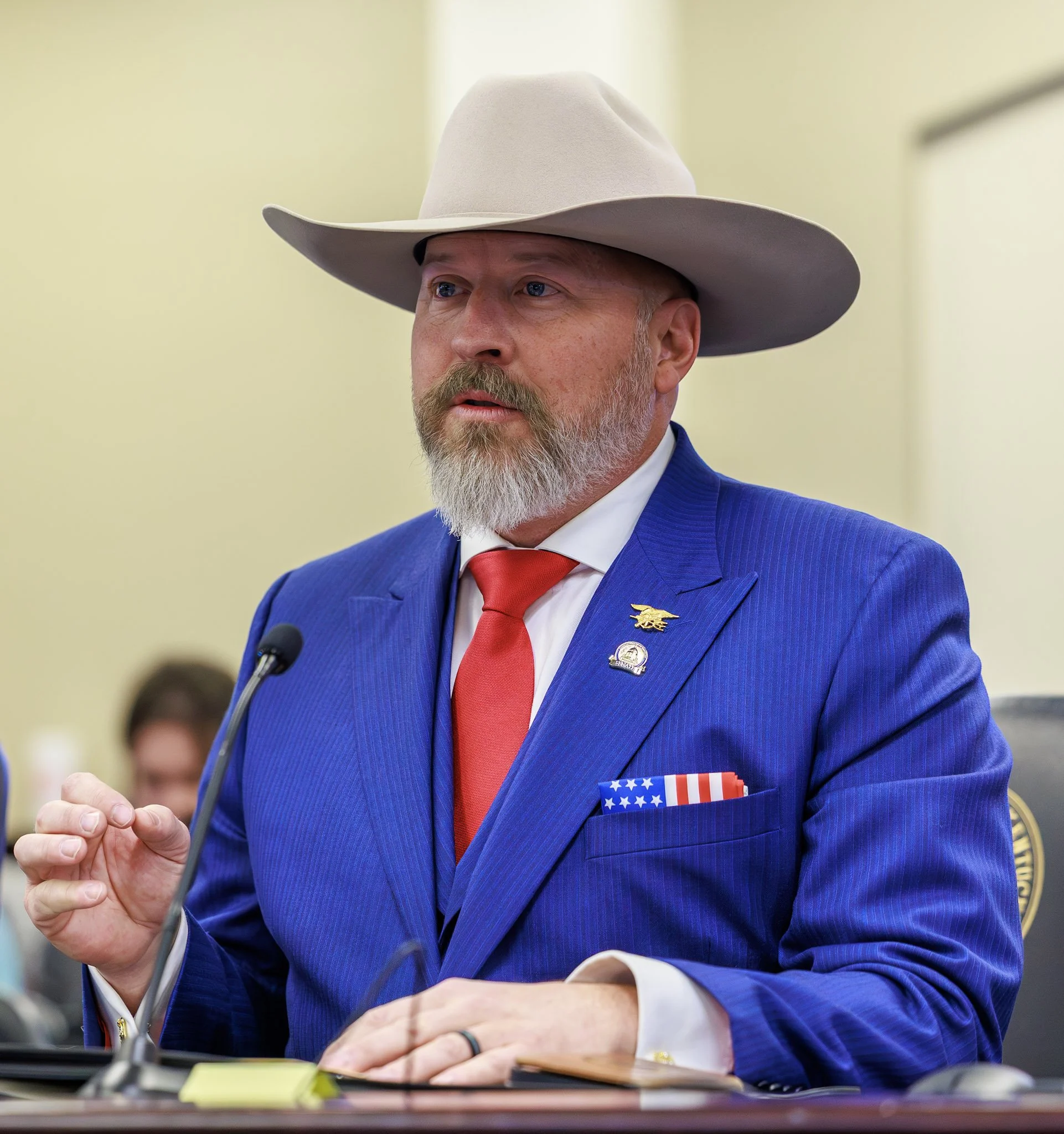
FRANKFORT, Ky. (March 16, 2026) — Senate Bill (SB) 278, sponsored by Sen. Aaron Reed, R-Shelbyville, received final passage in the Senate today. The legislation establishes transparent statewide policies governing off-duty employment for Kentucky State Police troopers.

“Our public safety workers and the communities they serve deserve clear guidelines that protect both the trooper and the public,” Reed said. “Senate Bill 278 ensures approved off-duty work follows consistent standards that maintain professionalism, transparency, and trust with the public.”

SB 278 updates several sections of state law to require the KSP commissioner to authorize certain types of law enforcement-related off-duty employment for troopers and to establish formal policies and procedures governing that work.

The bill will require the commissioner to create guidelines addressing officer conduct, the use of uniforms and equipment, and other operational standards when troopers are working in an off-duty capacity.

The bill is praised for ensuring that off-duty work performed by state troopers remains consistent across the agency while helping meet public safety needs in communities across the commonwealth.

Reed, a veteran United States Navy SEAL whose father was a state trooper, said the legislation will help manage responsibility while also recognizing the crucial role trained troopers can play in providing security and other services beyond their regular duties.

SB 278 clarifies when troopers may use uniforms, equipment and motor vehicles when engaged in accepted off-duty employment. The bill also directs agency leadership to establish comprehensive policies to ensure accountability and oversight.

Reed said the legislation reflects a broader commitment to supporting Kentucky’s law enforcement officers while maintaining high standards of integrity and professionalism.

“Men and women who wear the badge dedicate their lives to protecting others,” Reed said. “This bill simply ensures clear rules so they can serve their communities responsibly both on and off duty.”

JOINT STATEMENT RELEASE SEN. JIMMY HIGDON AND REP. CANDY MASSARONI ON THE DEATH OF TECH. SGT. ASHLEY B. PRUITT

JOINT STATEMENT RELEASE

SEN. JIMMY HIGDON AND REP. CANDY MASSARONI ON THE DEATH OF TECH. SGT. ASHLEY B. PRUITT

BARDSTOWN, Ky. (March 15, 2026) — The following is a statement from Rep. Candy Massaroni and Sen. Jimmy Higdon regarding the death of U.S. Air Force Tech. Sgt. Ashley B. Pruitt of Bardstown in Nelson County.

“We are deeply saddened to learn about the loss of Tech. Sgt. Ashley B. Pruitt, a proud Kentuckian from Bardstown, who made the ultimate sacrifice while serving our country overseas.

“At just 34 years old, Ashley demonstrated the courage, dedication and sense of duty that define the men and women of America’s armed forces. She answered the call to serve and represented Kentucky with honor.

“The sacrifice made by Ashley and her fellow servicemembers is a powerful reminder that the freedoms we enjoy at home are safeguarded by brave Americans willing to place themselves in harm’s way. Her service reflects a deep commitment to something greater than herself.

“We express our heartfelt sympathy to Ashley's loved ones, friends and fellow Airmen, as well as the whole Bardstown community. Our thoughts and prayers are with them during this tragic time.

“We join all of Kentucky and America in remembering Ashley’s bravery and love for our country. Our nation is forever indebted to her for her service and sacrifice.

“The people of Bardstown, Nelson County and Kentucky are blessed to call her one of our own. Our hearts go out to her family and friends as we celebrate a life that was dedicated to serving our nation.”

____

Background

According to the U.S. Air Force and multiple media reports, U.S. Air Force Tech. Sgt. Ashley B. Pruitt, 34, of Bardstown, Kentucky, was among six American airmen killed March 12, 2026, when a KC-135 Stratotanker refueling aircraft crashed in western Iraq during a mission supporting U.S. military operations in the region. Pruitt was assigned to the 6th Air Refueling Wing at MacDill Air Force Base in Florida and had served in the Air Force since 2017.

According to reporting on the incident, the aircraft was supporting Operation Epic Fury at the time of the crash. The cause of the crash remains under investigation by U.S. military officials.