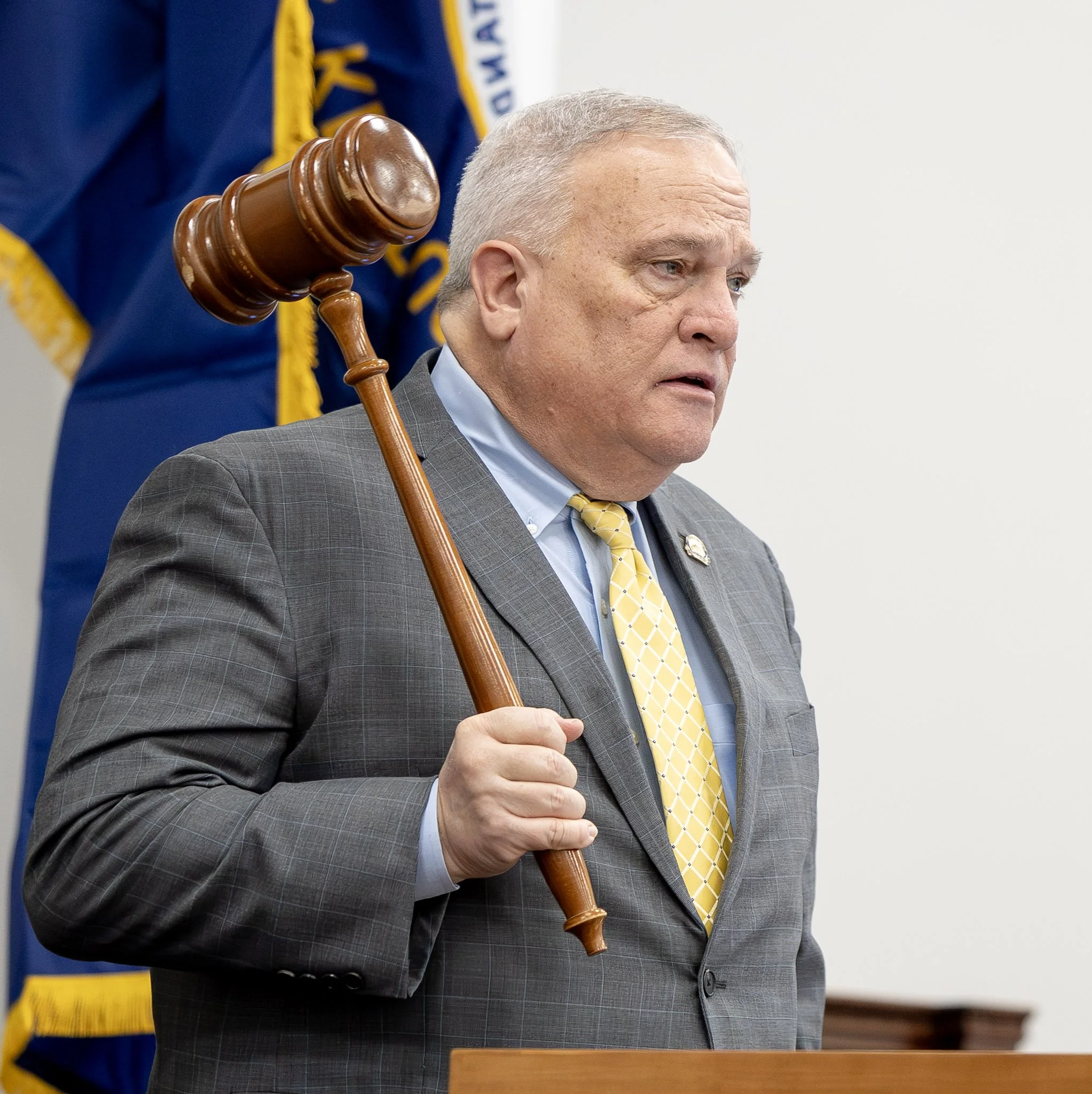
STIVERS’S SENATE BILL 324 PASSES FULL SENATE

STIVERS’S SENATE BILL 324

PASSES FULL SENATE 

Bill strengthens Kentucky to attract more film, video games, commercial and music production

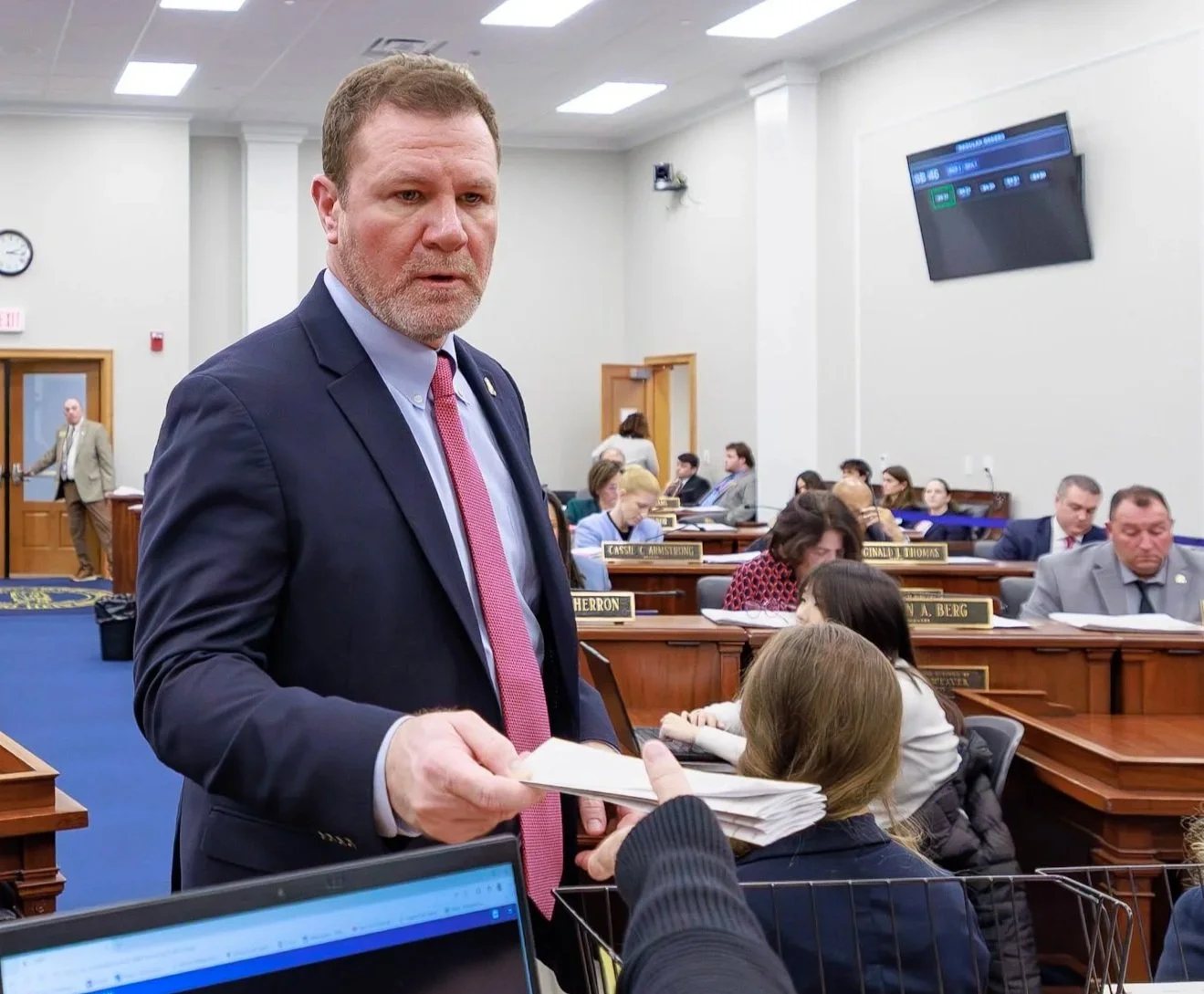
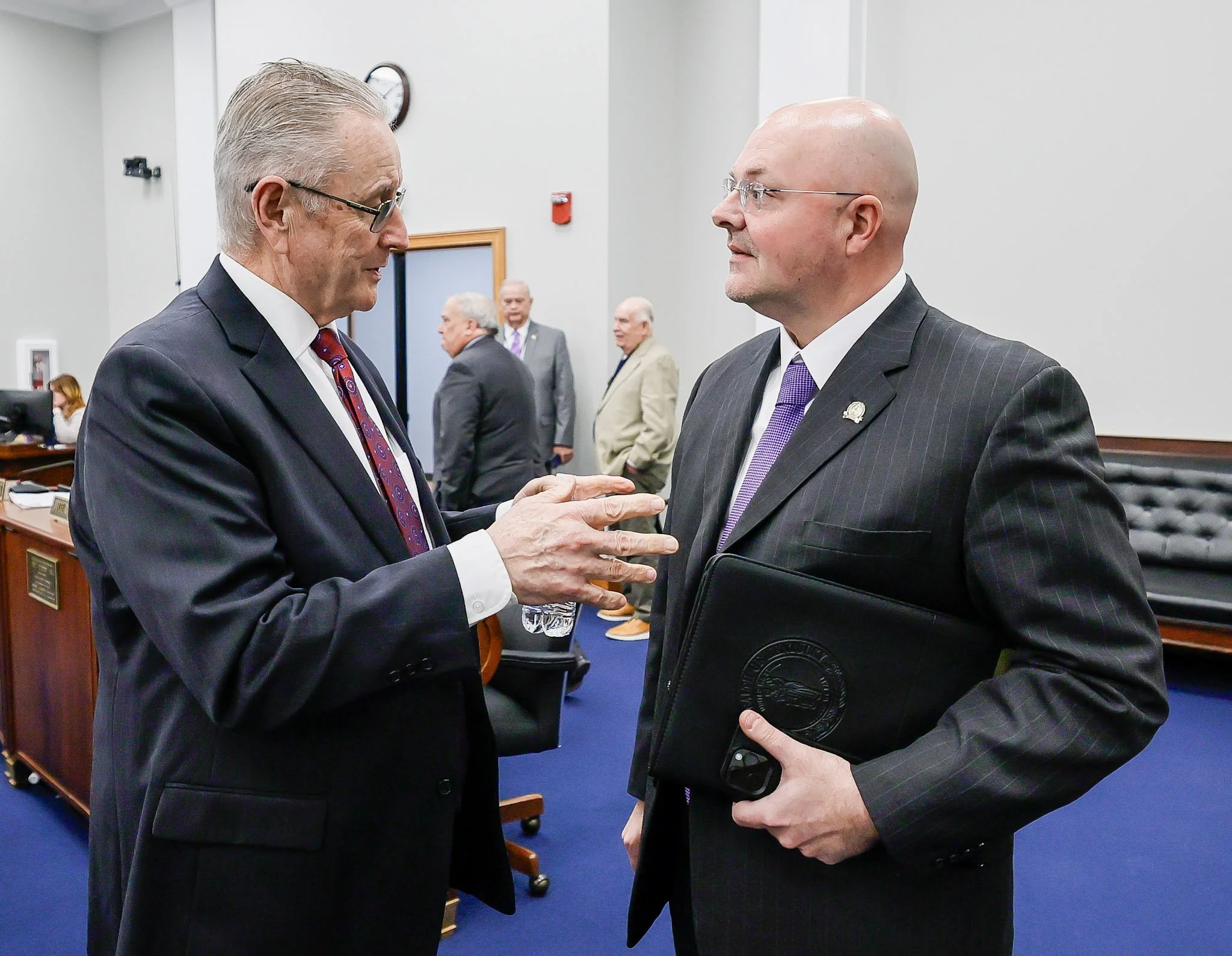
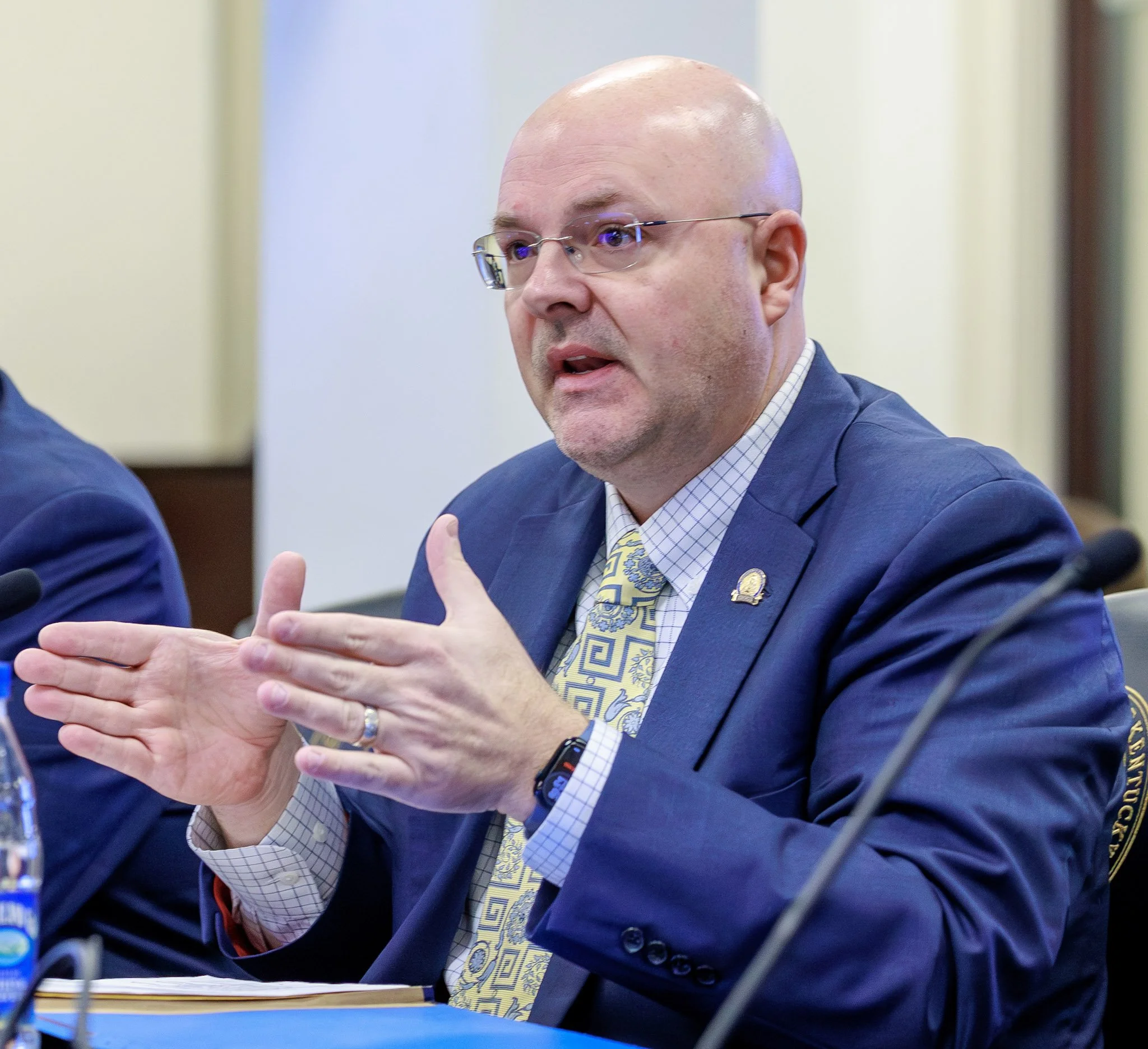
FRANKFORT, Ky. (March 17, 2026)—The Kentucky Senate passed Senate Bill (SB) 324, legislation sponsored by Senate President Robert Stivers, R-Manchester, off the Senate floor today.  

SB 324 builds on the foundation laid in 2025 with the passage of SB 1, sponsored by Sen. Phillip Wheeler, R-Pikeville, which established the Kentucky Film Office.

The bill aims to modernize and strengthen the Commonwealth’s film and entertainment incentive program to attract high-impact productions and drive economic growth. SB 324 also updates the roles and responsibilities of the Kentucky Film Leadership Council, clarifies statutory definitions, and expands eligible productions to include video games, music videos, and commercials.

SB 324 allows any unallocated portion of the current $75 million annual tax credit cap to be carried forward for use in future years for major motion pictures and entertainment productions. The bill enhances oversight and coordination by requiring the Kentucky Film Office to review applications and forward completed applications to the Cabinet for Economic Development and the Kentucky Film Leadership Council.

“Senate Bill 324 positions Kentucky to compete more effectively for major film and entertainment projects while ensuring accountability for taxpayer dollars,” Stivers said. “By modernizing our incentive structure, expanding eligible productions, and strengthening oversight, we are creating an environment that supports job creation, encourages investment, and showcases Kentucky to a global audience.”

Stivers was joined last week by Meg Fister, the new Kentucky Film Office executive director, when they presented the legislation before the Senate Economic Development Committee. Fister is a Kentucky native who has returned to the Bluegrass State after producing film and television shows in California and New York.

The legislation raises minimum thresholds for qualifying expenditures and payroll to ensure a stronger return on investment and requires approved companies to submit a certified audit within 180 days of completing a production.

The bill now heads to the House of Representatives for consideration.

GIVENS: VETO OVERRIDE OF HOUSE BILL 1 OPENS NEW EDUCATION OPPORTUNITIES FOR KENTUCKY STUDENTS

GIVENS: VETO OVERRIDE OF HOUSE BILL 1 OPENS NEW EDUCATION OPPORTUNITIES FOR KENTUCKY STUDENTS

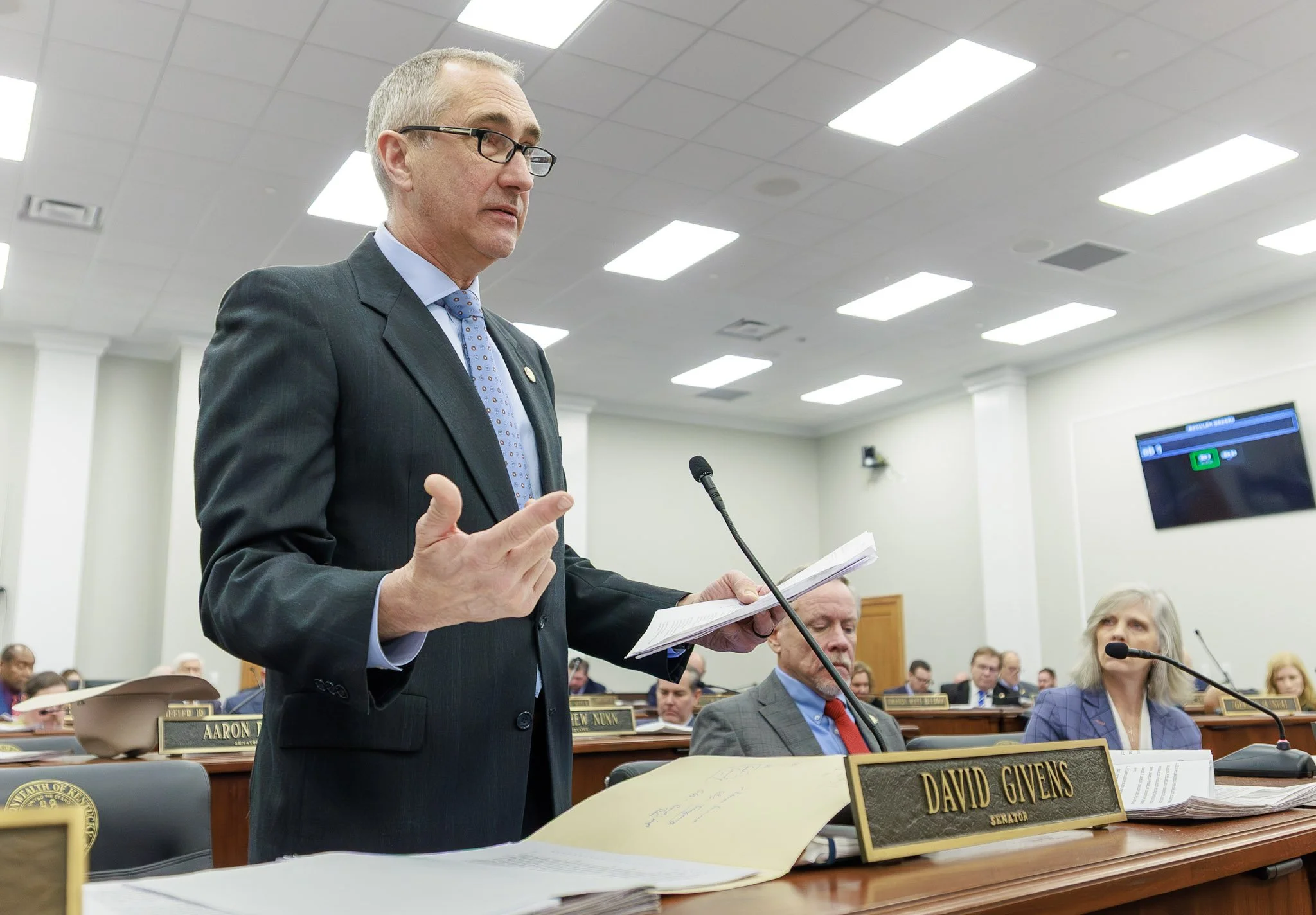
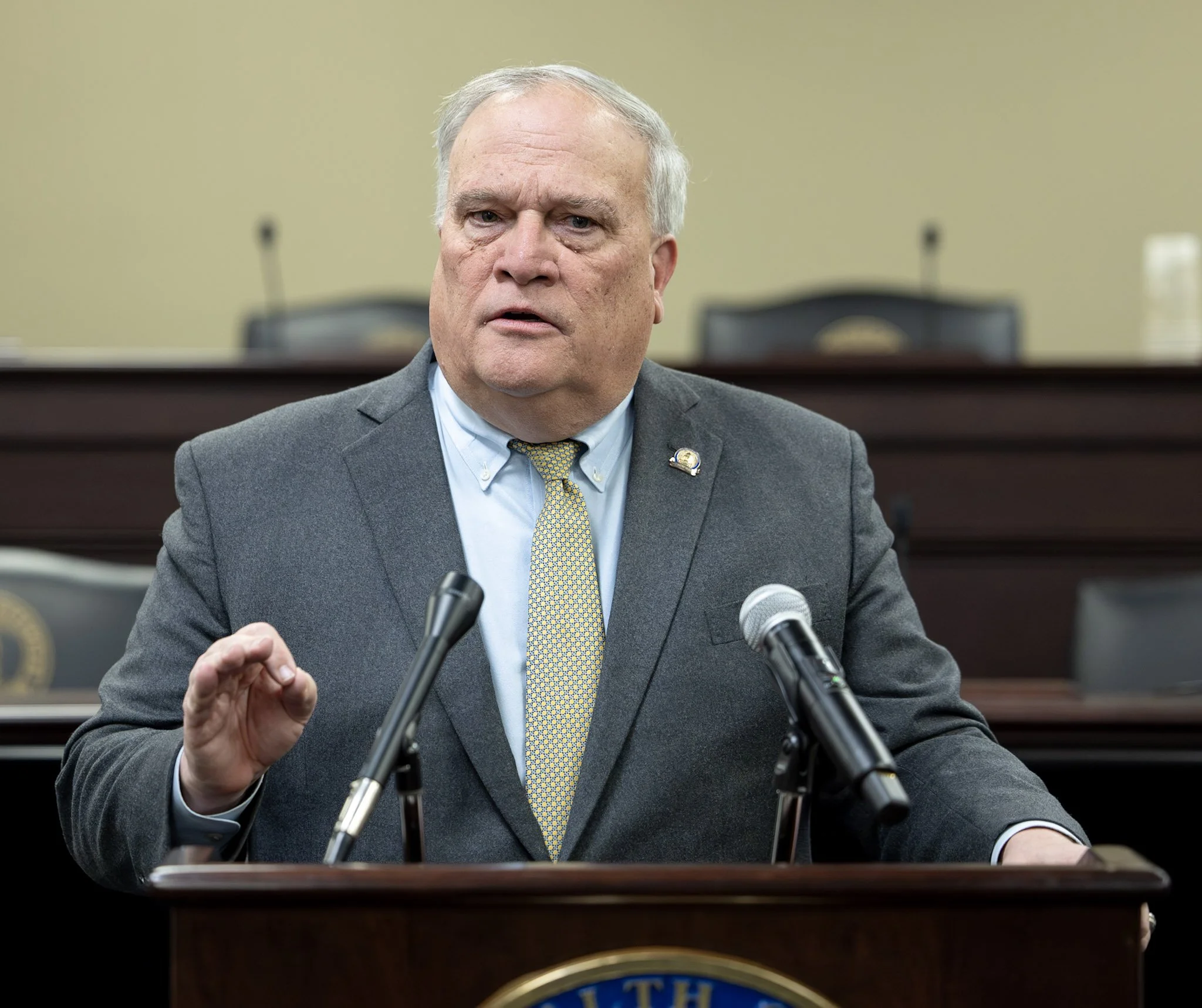
FRANKFORT, Ky. (March 17, 2026) The following is a statement from Senate President Pro Tempore David Givens, R-Greensburg, regarding the General Assembly’s override of the governor’s veto of House Bill 1.

“Now that House Bill 1 will become law, Kentucky students will have access to potentially hundreds of millions of dollars in federal support to help meet their individual educational needs. That is a significant opportunity, and one we should all be working together to maximize.

“I believe I speak for the majority of the General Assembly, as well as families and educators across the commonwealth, in calling on the Governor to join us in supporting this effort. If we are serious about putting students first, then we should be just as serious about ensuring every available dollar is brought back home to Kentucky.

“This law is designed with students at the center. No public dollars are directed to any particular school. Instead, contributions go to scholarship granting organizations, which then provide scholarships directly to eligible students and families, including those served by our public schools. The focus is not institutions, but rather opportunity

“So I would again encourage the Governor, and anyone who cares about Kentucky’s future, to take part. Write a $1,700 check to a scholarship granting organization of your choice utilizing the $1,700 federal tax credit and help demonstrate that we value investing as many federal dollars inKentucky students as we can.

“This is about expanding opportunity, empowering families and making sure Kentucky is positioned to benefit from every resource available to us. Now is the time to come together and make that happen as successfully as possible. 

“If you were an opponent before, there is time to be a proponent now.”

DOUGLAS BILL ADVANCING IBOGAINE RESEARCH FRAMEWORK HEADS TO THE HOUSE

DOUGLAS BILL ADVANCING IBOGAINE RESEARCH FRAMEWORK HEADS TO THE HOUSE

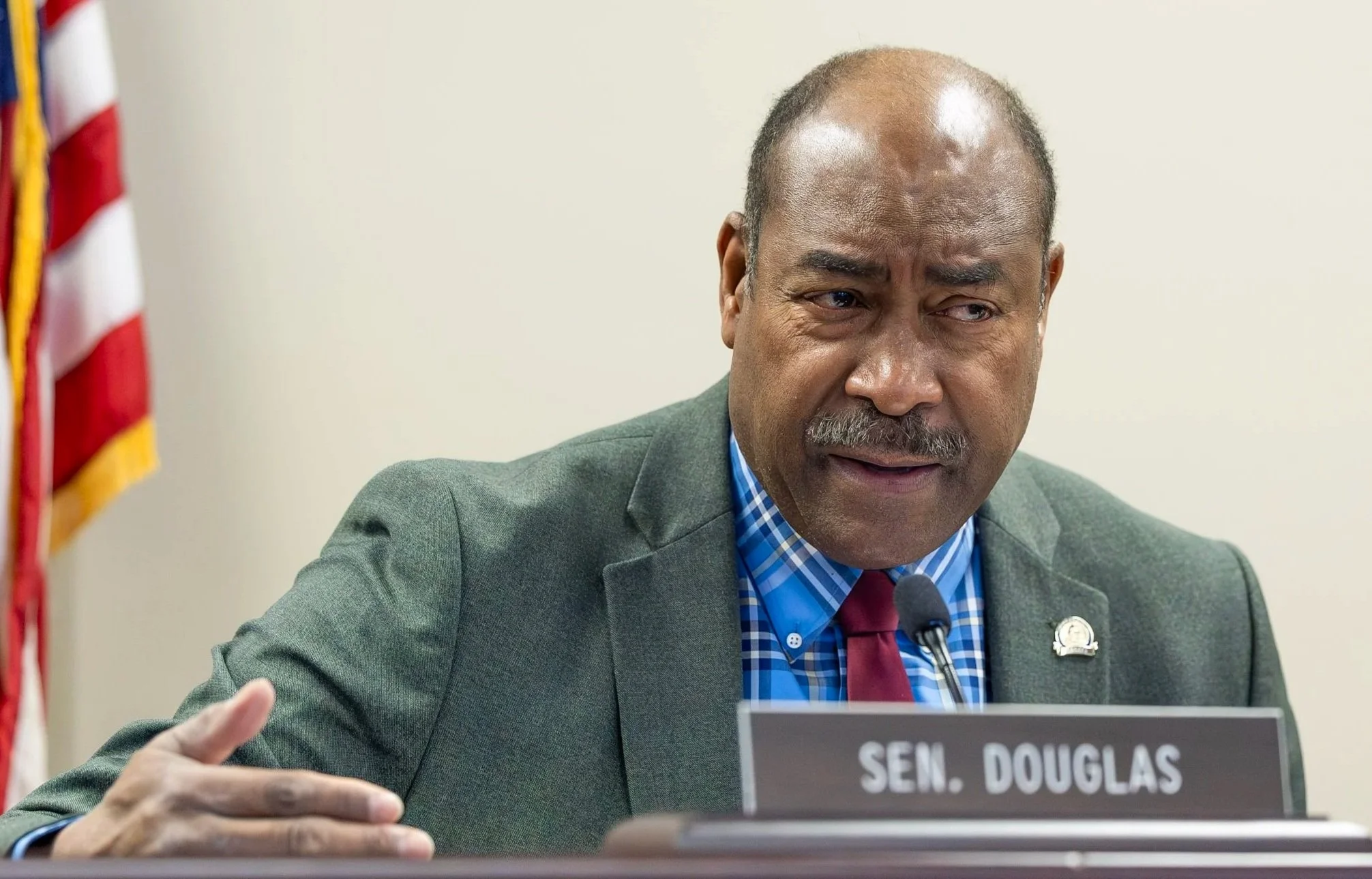
FRANKFORT, Ky. (March 16, 2026) — Legislation sponsored by Sen. Donald Douglas, R-Nicholasville, creating a research framework for ibogaine-based treatments has passed the Kentucky Senate and now heads to the House of Representatives for consideration.
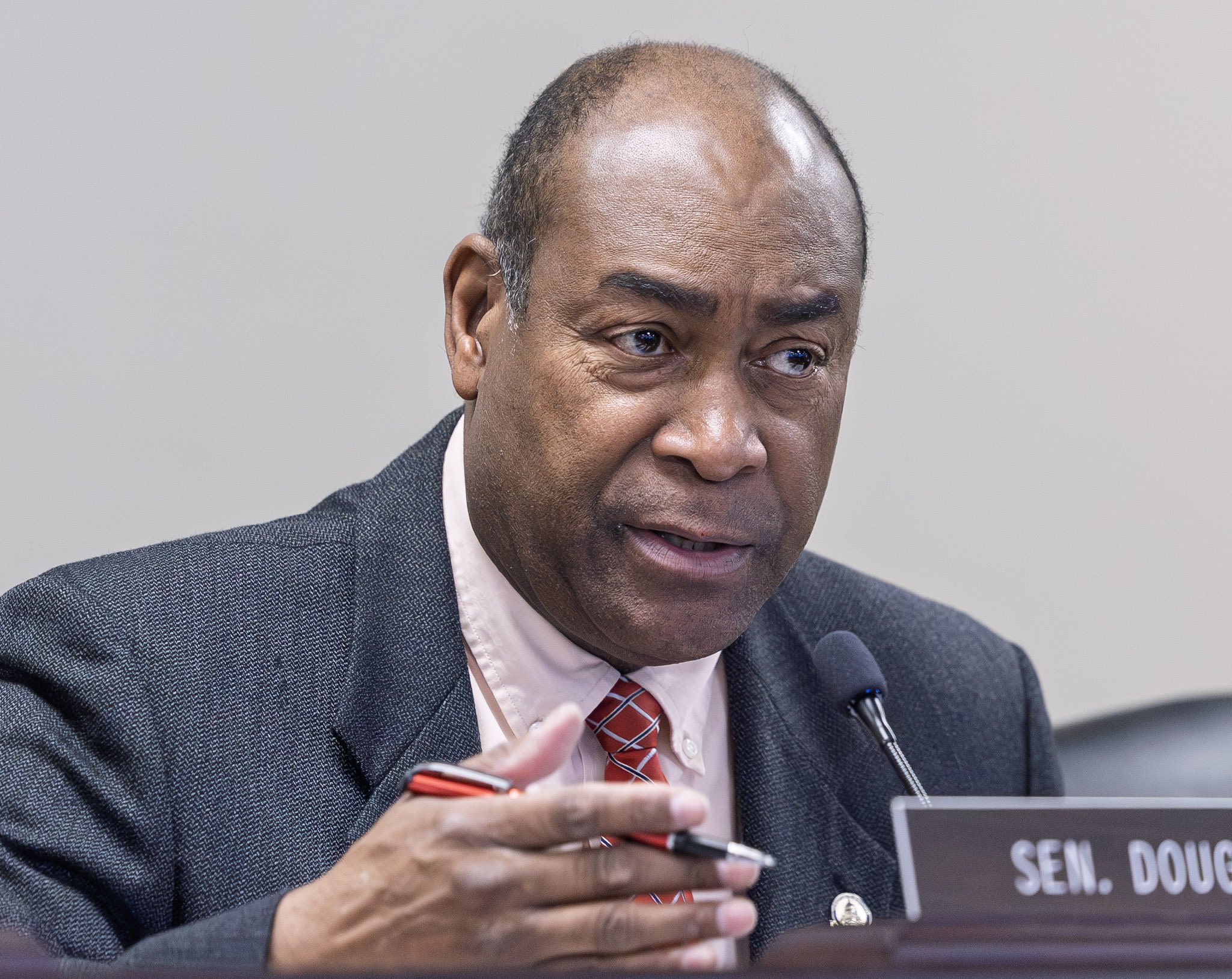


Senate Bill 77 establishes a structured framework allowing Kentucky to explore the scientific and clinical potential of ibogaine in the treatment of opioid use disorder, co-occurring substance use disorders, and later post-traumatic stress disorder, traumatic brain injury, and other neurological or mental health conditions where early research has shown promise.

“As a physician, I have seen firsthand how devastating addiction can be for patients and their families. Any loss of life is a tragedy, especially those that we have the potential to prevent,” Douglas said. “This legislation creates a responsible pathway for Kentucky to explore medical research and the approval of life-saving medications while maintaining strong safeguards and transparency.”

SB 77 outlines a framework for the commonwealth to partner with qualified drug developers seeking to conduct FDA-approved clinical trials involving ibogaine. The legislation establishes clear standards for participation, including requirements related to clinical trial design, patient safety protocols, regulatory compliance and transparency.

The bill also includes provisions to ensure the state maintains appropriate oversight of any research partnerships and protects the public interest as new treatment options are explored and expanded.

Douglas said the legislation is designed to position Kentucky as a leader in responsible medical research while expanding the conversation around innovative approaches to improve dependence, addiction and mental health treatment.

“Kentucky continues to confront the devastating effects of addiction,” Douglas said. “This bill creates a thoughtful framework for research so we can better understand potential treatments and pursue solutions grounded in science, safety, clinical results and accountability. We hope to pave the road back to strong and happy families and a healthier, more productive workforce.”

Senate Bill 77 now moves to the House of Representatives for further consideration. Douglas said the measure could prove to be one of the most consequential pieces of legislation considered during this year’s session.

MILLS HOUSING LEGISLATION PASSES OUT OF THE SENATE, CONTINUING EFFORT TO EXPAND HOUSING SUPPLY IN KENTUCKY

MILLS HOUSING LEGISLATION PASSES OUT OF THE SENATE, CONTINUING EFFORT TO EXPAND HOUSING SUPPLY IN KENTUCKY

FRANKFORT, Ky. (March 16, 2026) — Two housing measures sponsored by Sen. Robby Mills, R-Henderson, have passed the Kentucky Senate and now head to the House of Representatives for consideration, continuing ongoing efforts to expand Kentucky’s housing supply and remove regulatory barriers that slow home construction.


Senate Bills 224 and 225 build on years of work led by Mills as co-chair of the Kentucky Housing Task Force, which has examined housing shortages, rising costs and development challenges facing communities across the commonwealth.

“Kentucky needs more homes, and that means making it easier to build them,” Mills said. “These bills continue the work we’ve been doing through the Housing Task Force to remove unnecessary red tape and help communities increase housing supply while keeping decisions local.”

Both measures are part of a broader effort by Mills and the Housing Task Force to address the housing shortage affecting many parts of Kentucky. The task force has spent years studying workforce housing needs, regulatory challenges and development barriers in both rural and urban communities.

“Kentucky’s economic growth depends on having enough housing for workers and families,” Mills said. “If we want communities to grow and businesses to expand, we have to make sure people have a place to live.”

The Senate passage of SB 224 and SB 225 marks another step in the General Assembly’s efforts to expand housing opportunities across the commonwealth and support continued economic growth.

Both bills now move to the House of Representatives for further consideration.

ELKINS BILL MODERNIZING COUNTY TREASURER LAW PASSES OUT OF THE SENATE

ELKINS BILL MODERNIZING COUNTY TREASURER LAW PASSES OUT OF THE SENATE

FRANKFORT, Ky. (March 16, 2026) — Legislation sponsored by Sen. Greg Elkins, R-Winchester, updating Kentucky law governing county treasurers has passed the Kentucky Senate and now heads to the House of Representatives for consideration.
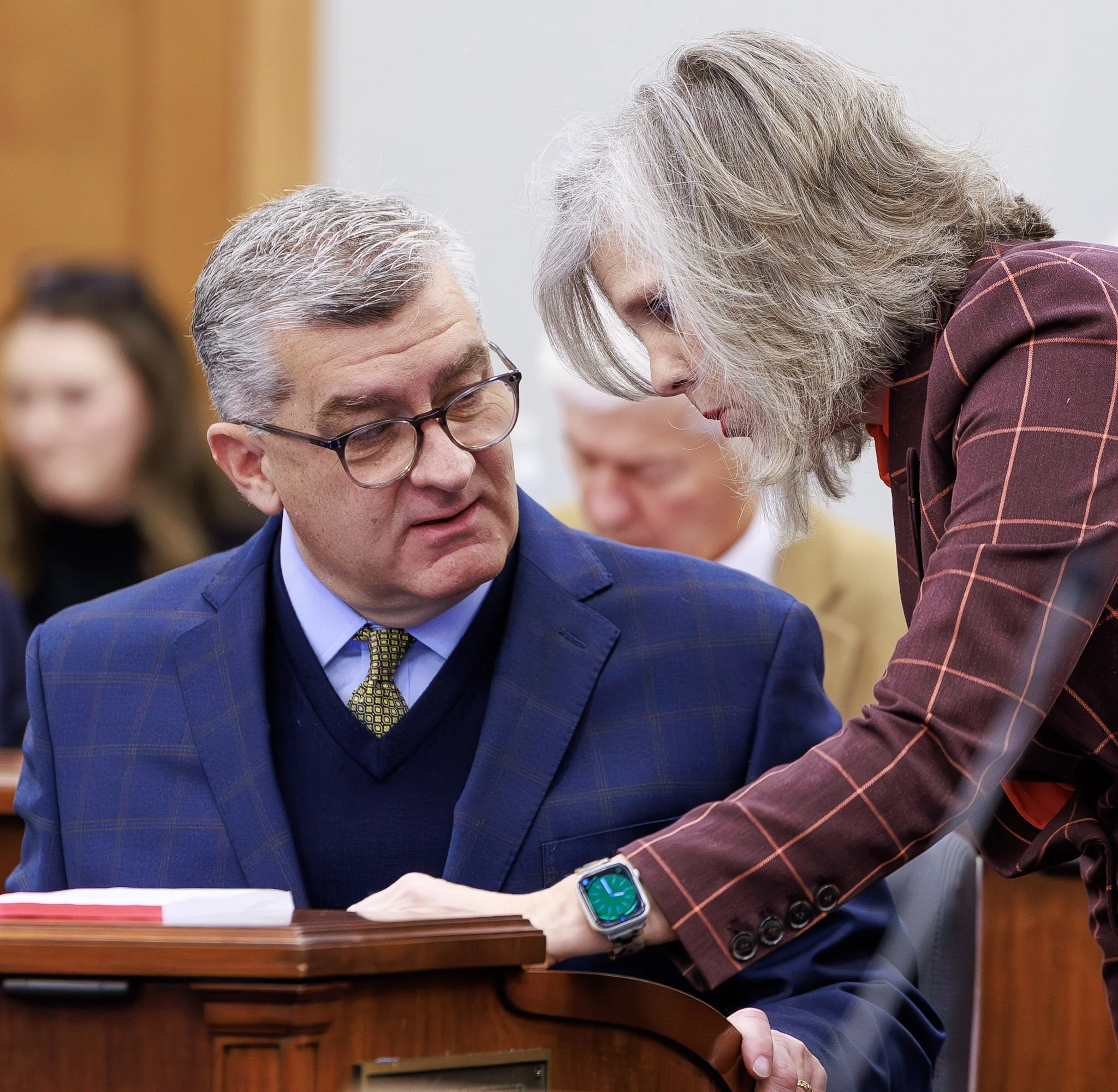
Senate Bill 149 modernizes statutes related to the appointment and service of county treasurers while providing counties with clearer procedures for filling vacancies and maintaining continuity in financial oversight.

“County governments depend on strong financial management,” Elkins said. “This legislation clarifies existing law and ensures counties have the flexibility and tools they need to maintain responsible oversight of public funds.”

The legislation updates state law to align with current practices for appointing county treasurers and clarifies the process for appointing an acting treasurer if the position becomes vacant or if the treasurer is temporarily unable to perform the duties of the office.

SB 149 also confirms that fiscal courts may appoint a deputy county treasurer to assist with the responsibilities of the office and maintain continuity of operations when needed.

Elkins said the bill reflects a common-sense effort to ensure county governments have clear statutory guidance when managing key financial positions.

“This is about clarity and stability for local government,” Elkins said. “When counties are handling taxpayer dollars, they need clear processes in place to make sure operations continue smoothly.”

Senate Bill 149 now moves to the House of Representatives for further consideration.

RICHARDSON BILL TO MODERNIZE KENTUCKY’S VITAL RECORDS SYSTEM HEADS TO THE HOUSE

RICHARDSON BILL TO MODERNIZE KENTUCKY’S VITAL RECORDS SYSTEM HEADS TO THE HOUSE

FRANKFORT, Ky. (March 16, 2026) — Legislation sponsored by Sen. Steve Richardson, R-Hopkinsville, modernizing Kentucky’s vital records system has passed the Kentucky Senate and now heads to the House of Representatives for consideration.
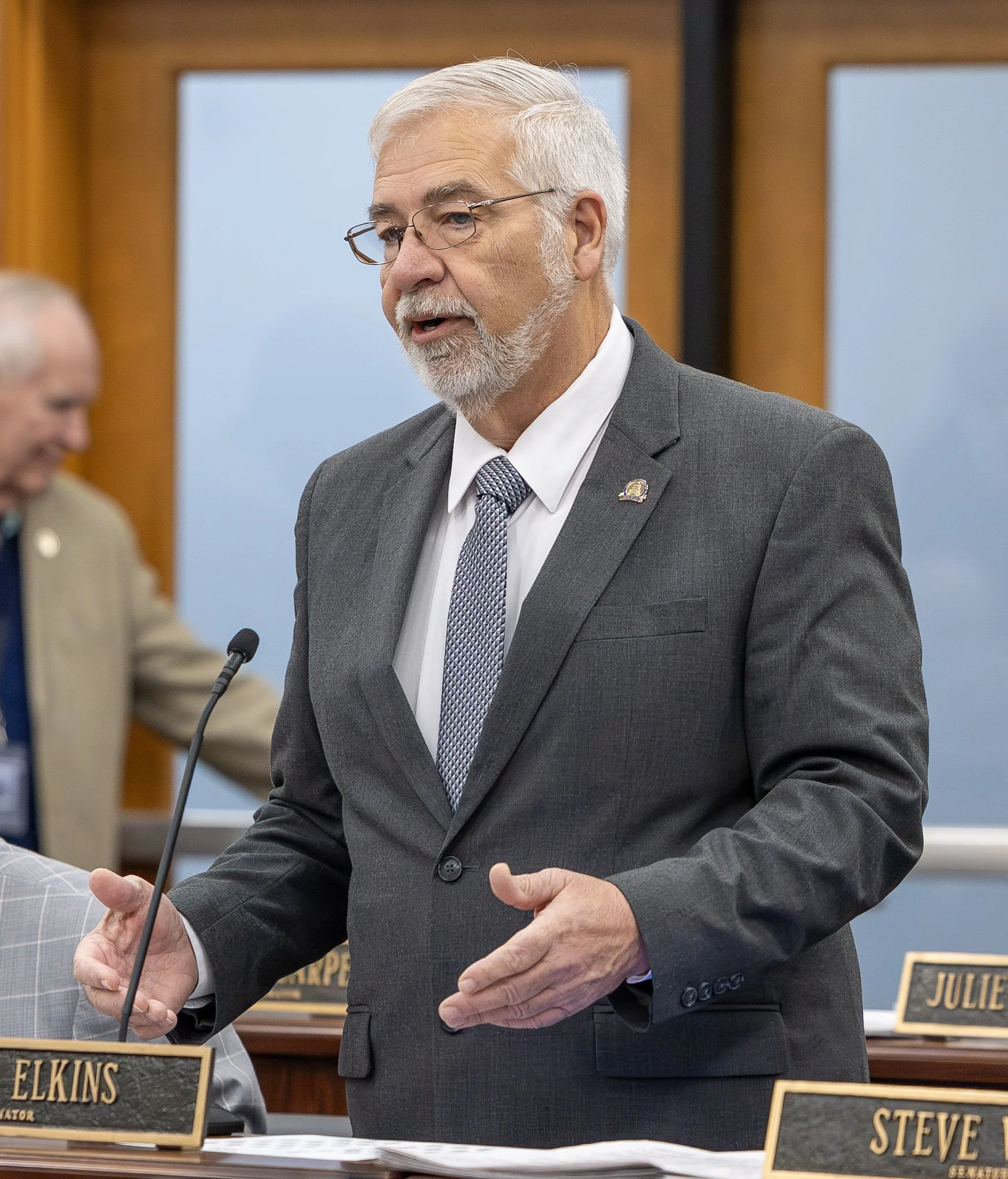
Senate Bill 147 updates state law governing the issuance and maintenance of birth and death records while clarifying procedures used by state and local officials responsible for maintaining those records.

The legislation confirms that certified copies of vital records carry the same legal weight as original documents and must clearly indicate when records have been delayed or amended.

SB 147 also updates administrative procedures related to vital records, including modest adjustments to certain fees while expanding fee waivers for veterans, National Guard members, children in state custody, homeless individuals, natural disaster victims and others facing hardship.

Richardson said the bill is intended to modernize Kentucky’s vital records system while ensuring the information remains accurate, accessible and secure.

“Vital records play an important role in many aspects of daily life, from verifying identity to administering public services,” Richardson said. “This legislation updates our laws to reflect modern practices while maintaining strong safeguards and ensuring those records remain reliable.”

The bill also strengthens coordination between death records and voter registration maintenance by requiring regular reporting of deceased individuals to the State Board of Elections and establishing procedures to remove them from voter rolls while protecting voters from improper removal.

Richardson said the legislation will help ensure government records remain accurate while protecting both the integrity of Kentucky’s vital records system and the state’s voter registration process.

Senate Bill 147 now moves to the House of Representatives for further consideration.

SENATE PASSES MADON RESOLUTION ADDRESSING UTILITY AFFORDABILITY

SENATE PASSES MADON RESOLUTION ADDRESSING UTILITY AFFORDABILITY

FRANKFORT, Ky. (March 16, 2026) — The Kentucky Senate has passed legislation sponsored by Scott Madon directing the Kentucky Public Service Commission to examine new strategies aimed at improving the affordability of essential utility services for Kentuckians.

Senate Joint Resolution (SJR) 75 directs the commission to open administrative cases exploring policies that could help low- and fixed-income households maintain access to vital services such as electricity, natural gas, water, and sewer.

The review will bring together utilities, consumer advocates, community organizations, and other stakeholders to identify practical solutions that balance affordability for customers with the financial stability utilities need to continue operating and maintaining infrastructure.

“Access to electricity, water, and other basic utility services is fundamental to the health and well-being of Kentucky families,” Madon said. “This resolution creates a structured process to examine how we can better support households facing affordability challenges while ensuring utilities remain able to provide safe and reliable service.”

Under the resolution, the Public Service Commission will study strategies to help prevent service disconnections, reduce the burden of late fees and payment delinquencies, and evaluate possible policy options such as changes in rate design or expanded assistance programs.

The commission will report its findings and recommendations to the General Assembly no later than September 1, 2027. The resolution includes an emergency clause allowing the review process to begin immediately upon enactment due to rising electricity costs and anticipated reductions in federal assistance programs such as the Low-Income Home Energy Assistance Program.

Madon said the effort reflects the General Assembly’s responsibility to ensure essential services remain accessible to Kentuckians while encouraging thoughtful collaboration among regulators, utilities, and community stakeholders.

“This is about bringing everyone to the table and taking a thoughtful look at how we protect access to essential services,” Madon added. “By studying the issue now, we can develop responsible, long-term solutions that keep utility service reliable and affordable for families across the Commonwealth.”

SJR 75 now moves to the House of Representatives for consideration.
Learn more about bills, committees and other important updates on the 2026 Regular Session at www.kylegislature.gov.

SENATE ADVANCES REED BILL SETTING STANDARDS FOR TROOPER OFF-DUTY WORK

SENATE ADVANCES REED BILL SETTING STANDARDS

 FOR TROOPER OFF-DUTY WORK

Bill will provide consistency, transparency while maintaining public trust

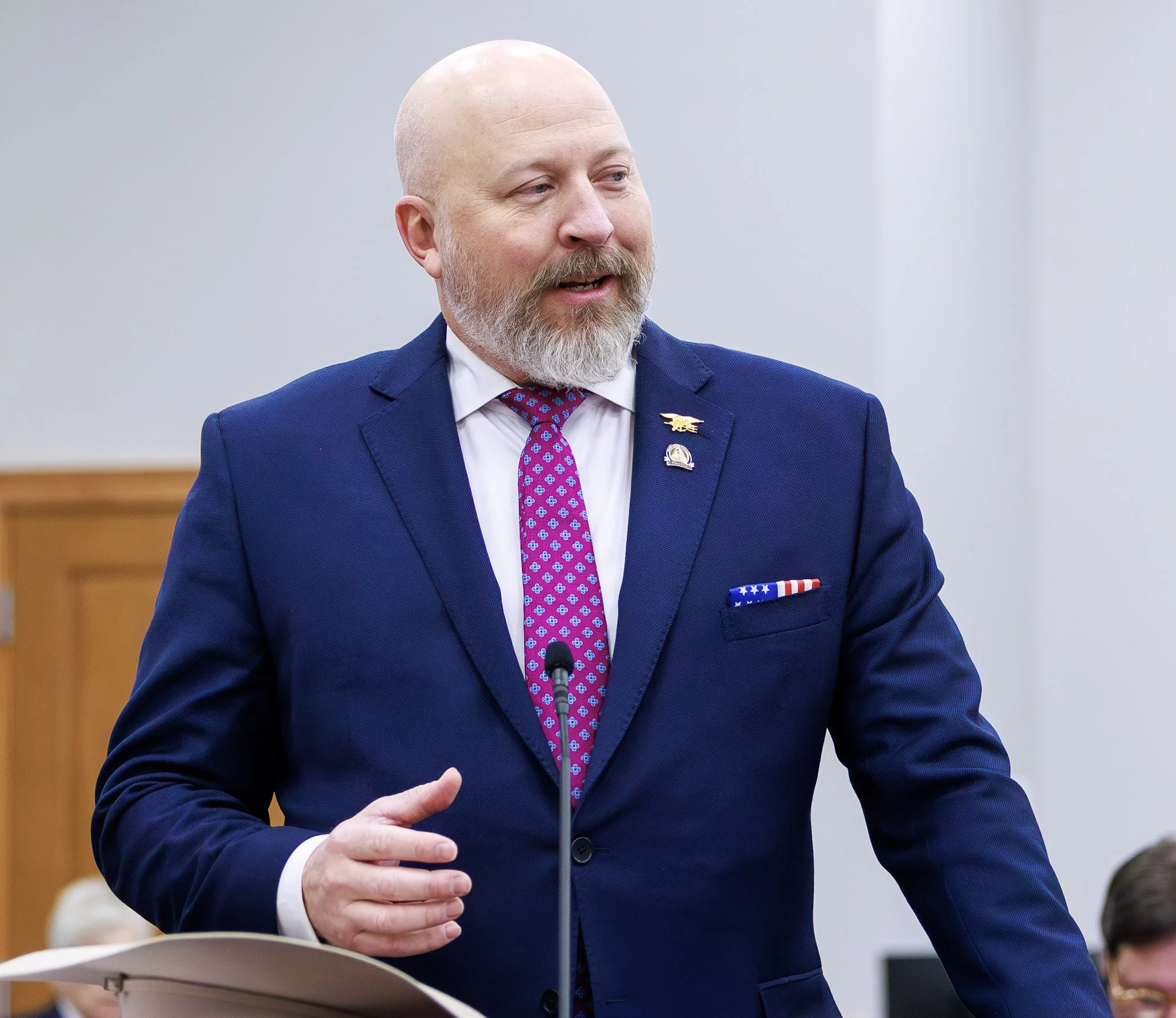
FRANKFORT, Ky. (March 16, 2026) — Senate Bill (SB) 278, sponsored by Sen. Aaron Reed, R-Shelbyville, received final passage in the Senate today. The legislation establishes transparent statewide policies governing off-duty employment for Kentucky State Police troopers.

“Our public safety workers and the communities they serve deserve clear guidelines that protect both the trooper and the public,” Reed said. “Senate Bill 278 ensures approved off-duty work follows consistent standards that maintain professionalism, transparency, and trust with the public.”

SB 278 updates several sections of state law to require the KSP commissioner to authorize certain types of law enforcement-related off-duty employment for troopers and to establish formal policies and procedures governing that work.

The bill will require the commissioner to create guidelines addressing officer conduct, the use of uniforms and equipment, and other operational standards when troopers are working in an off-duty capacity.

The bill is praised for ensuring that off-duty work performed by state troopers remains consistent across the agency while helping meet public safety needs in communities across the commonwealth.

Reed, a veteran United States Navy SEAL whose father was a state trooper, said the legislation will help manage responsibility while also recognizing the crucial role trained troopers can play in providing security and other services beyond their regular duties.

SB 278 clarifies when troopers may use uniforms, equipment and motor vehicles when engaged in accepted off-duty employment. The bill also directs agency leadership to establish comprehensive policies to ensure accountability and oversight.

Reed said the legislation reflects a broader commitment to supporting Kentucky’s law enforcement officers while maintaining high standards of integrity and professionalism.

“Men and women who wear the badge dedicate their lives to protecting others,” Reed said. “This bill simply ensures clear rules so they can serve their communities responsibly both on and off duty.”

JOINT STATEMENT RELEASE SEN. JIMMY HIGDON AND REP. CANDY MASSARONI ON THE DEATH OF TECH. SGT. ASHLEY B. PRUITT

JOINT STATEMENT RELEASE

SEN. JIMMY HIGDON AND REP. CANDY MASSARONI ON THE DEATH OF TECH. SGT. ASHLEY B. PRUITT

BARDSTOWN, Ky. (March 15, 2026) — The following is a statement from Rep. Candy Massaroni and Sen. Jimmy Higdon regarding the death of U.S. Air Force Tech. Sgt. Ashley B. Pruitt of Bardstown in Nelson County.

“We are deeply saddened to learn about the loss of Tech. Sgt. Ashley B. Pruitt, a proud Kentuckian from Bardstown, who made the ultimate sacrifice while serving our country overseas.

“At just 34 years old, Ashley demonstrated the courage, dedication and sense of duty that define the men and women of America’s armed forces. She answered the call to serve and represented Kentucky with honor.

“The sacrifice made by Ashley and her fellow servicemembers is a powerful reminder that the freedoms we enjoy at home are safeguarded by brave Americans willing to place themselves in harm’s way. Her service reflects a deep commitment to something greater than herself.

“We express our heartfelt sympathy to Ashley's loved ones, friends and fellow Airmen, as well as the whole Bardstown community. Our thoughts and prayers are with them during this tragic time.

“We join all of Kentucky and America in remembering Ashley’s bravery and love for our country. Our nation is forever indebted to her for her service and sacrifice.

“The people of Bardstown, Nelson County and Kentucky are blessed to call her one of our own. Our hearts go out to her family and friends as we celebrate a life that was dedicated to serving our nation.”

____

Background

According to the U.S. Air Force and multiple media reports, U.S. Air Force Tech. Sgt. Ashley B. Pruitt, 34, of Bardstown, Kentucky, was among six American airmen killed March 12, 2026, when a KC-135 Stratotanker refueling aircraft crashed in western Iraq during a mission supporting U.S. military operations in the region. Pruitt was assigned to the 6th Air Refueling Wing at MacDill Air Force Base in Florida and had served in the Air Force since 2017.

According to reporting on the incident, the aircraft was supporting Operation Epic Fury at the time of the crash. The cause of the crash remains under investigation by U.S. military officials.

HOUSE APPROVES NUNN’S PROXY ADVISOR 2.0 TRANSPARENCY BILL

HOUSE APPROVES NUNN’S PROXY 

ADVISOR 2.0 TRANSPARENCY BILL

Measure is the next step in the model policy championed by Nunn in the 2025 Legislative Session

FRANKFORT, Ky. (March 13, 2026)— Legislation sponsored by Sen. Matt Nunn, R-Sadieville, aimed at increasing transparency and accountability for proxy advisory firms has cleared the Kentucky House of Representatives.

Senate Bill (SB) 183 builds on Kentucky’s first-in-the-nation 2025 law regulating proxy advisory firms, which influence shareholder voting decisions for major publicly traded companies.


The House passed SB 183 with a committee substitute that retains the bill’s core requirements while clarifying several definitions and enforcement provisions.

“I appreciate the House advancing this legislation closer to the governor’s desk and continuing Kentucky’s leadership on this issue,” Nunn said. “Proxy advisory firms hold significant influence over shareholder votes that affect workers’ pensions, retirement savings and long-term economic stability. SB 183 helps make sure those recommendations are grounded in sound financial reasoning and that investors have transparency when other considerations are involved.”

Nunn said the bill strengthens accountability for firms that shape corporate governance decisions affecting companies and investors across the country.

“Investment advice that can move billions of dollars in shareholder decisions should be transparent and financially focused,” Nunn said. “This legislation lets investors know recommendations are based on financial analysis and when political agendas may be influencing that guidance.”

The measure was carried in the House by Rep. Michael Meredith, R-Oakland.

“Last year, we took significant steps to protect the investments Kentuckians depend on for their financial livelihood,” Meredith said. “This measure builds on that progress by extending the same disclosure and accountability standards to all publicly traded companies doing business in the commonwealth, ensuring that investment decisions with real-world impacts are based on transparent and consistent financial reasoning. I appreciate Senator Nunn’s work on this issue and his commitment to protecting the hardworking people of our commonwealth.”

BACKGROUND

SB 183 is considered Nunn’s proxy advisor 2.0 bill, following his 2025 legislative efforts that established model legislation for the nation. The 2025 bill was of the same bill number. That law requires proxy advisory firms to base recommendations primarily on financial factors and disclose when non-financial considerations influence their advice.

The 2026 legislation expands those standards to apply to proxy advisory firms serving companies doing business in the commonwealth.

Revisions in the legislative process

House revisions retained Nunn's core framework while providing additional statutory clarity and enforcement provisions.

The substitute establishes additional disclosure requirements when proxy advisory firms provide materially different voting advice to different clients and requires those disclosures to be provided to affected shareholders, companies and the attorney general. 

The legislation further clarifies enforcement under Kentucky’s Consumer Protection Act by allowing affected shareholders, companies and recipients of proxy advisory services to seek declaratory or injunctive relief in court while requiring the attorney general to be notified of such actions and preserving the office’s existing enforcement authority. 

Finally, the final version of SB 183 includes a narrow provision limiting private causes of action against certain small nonprofit proxy advisory organizations with limited revenue, reserving enforcement authority in those cases to the attorney general.

The legislation also clarifies and defines several statutory terms and references. 

SB 183 now returns to the Senate for concurrence with House revisions. The bill may be delivered to the governor's desk as early as Friday. The governor may veto the bill, sign it into law or allow it to become law without his signature. Gubernatorial vetoes are subject to being overridden by the House and Senate.

SENATE APPROVES SEN. BRANDON STORM BILL TO SUPPORT BODY ARMOR GRANTS FOR LAW ENFORCEMENT

SENATE APPROVES SEN. BRANDON STORM BILL TO SUPPORT BODY ARMOR GRANTS FOR LAW ENFORCEMENT

SB 333 directs proceeds from confiscated firearms auctions to fund protective equipment for officers

FRANKFORT, KY. (March 13, 2026) — The Kentucky Senate has approved Senate Bill (SB) 333, legislation sponsored by Sen. Brandon Storm, R-London, to strengthen funding for protective equipment for law enforcement officers across the Commonwealth.

SB 333 updates Kentucky law governing the sale of confiscated firearms by the Kentucky State Police and directs the proceeds to the Office of the Attorney General to support grants for local law enforcement agencies.


Those grant funds may be used by police departments, sheriff’s offices, university safety departments, school districts with special law enforcement officers, and airport security departments to purchase critical equipment, including body armor, firearms, body-worn cameras, and electronic control devices.

The legislation places a clear priority on officer safety by directing the first use of available funds toward providing and replacing body armor for sworn officers and service animals.

“Law enforcement officers put their lives on the line every day to protect our communities,” Storm said. “This legislation helps ensure the resources generated through firearms forfeitures are reinvested into protecting the men and women who protect us.”

SB 333 also maintains safeguards to ensure firearms are returned to lawful owners when appropriate and requires the Kentucky State Police to verify whether confiscated firearms were stolen before they are sold.

Storm said the measure helps ensure that proceeds from confiscated firearms are put to good use while strengthening safety for officers serving communities across Kentucky.

The bill now moves to the House of Representatives for consideration.

Learn more about bills, committees, and other important updates on the 2026 Regular Session at www.kylegislature.gov.

SEN. WHEELER RESOLUTION ADDRESSING UTILITY FUEL CHARGES PASSES SENATE

SEN. WHEELER RESOLUTION ADDRESSING 

UTILITY FUEL CHARGES PASSES SENATE

FRANKFORT, KY. (March 13, 2026)—A resolution sponsored by Sen. Phillip Wheeler, R-Pikeville, aimed at protecting Kentucky families from volatile utility fuel charges has passed the Kentucky Senate.

Senate Joint Resolution (SJR) 134 directs the Kentucky Public Service Commission to review how electric utilities recover fuel costs from customers through the fuel adjustment clause, commonly known as the FAC.

Electric utilities are allowed to pass fuel costs directly to customers through the FAC surcharge, which can cause sudden month-to-month fluctuations in electric bills. Wheeler said the resolution encourages regulators to examine ways to reduce those swings and improve stability for households.

“Families across Kentucky have seen their electric bills rise sharply, and many of those increases are tied to fuel costs that fluctuate from month to month,” Wheeler said. “This resolution asks the Public Service Commission to take a closer look at how those costs are passed along and whether adjustments can help bring more stability to ratepayers.”

Under SJR 134, the Public Service Commission must open an administrative review of the FAC regulation by May 15, 2026, and allow public comment from utilities and consumers. The commission is directed to consider possible changes aimed at reducing month-to-month volatility in the fuel adjustment surcharge.

The commission must finalize any updates to the regulation by Aug. 15, 2026, and submit a report to the General Assembly by Dec. 15, 2026 explaining the changes, summarizing stakeholder feedback, and outlining how the revisions may reduce volatility in electric bills.

Wheeler said the resolution is especially important for working families and seniors who often struggle to absorb unexpected spikes in utility costs.

“Utility bills are a necessity, not a luxury,” Wheeler said. “For many households living paycheck to paycheck, sudden increases can create serious financial strain. This resolution helps ensure the issue receives a thorough review so we can look for ways to make the system more predictable for Kentucky ratepayers.”

Because of the potential impact of rising energy costs, the resolution includes an emergency clause allowing it to take effect immediately once enacted.

SJR 134 now moves to the Kentucky House of Representatives for consideration.


Learn more about bills, committees, and other important updates on the 2026 Regular Session at www.kylegislature.gov

SEN. DAVID GIVENS RESPONDS TO BESHEAR'S VETO OF HOUSE BILL 1

SEN. DAVID GIVENS RESPONDS

TO BESHEAR'S VETO OF HOUSE BILL 1

FRANKFORT, Ky. (March 13, 2026) The following is a statement from Senate President Pro Tempore David Givens, R-Greensburg, in response to Governor Andy Beshear’s veto of House Bill 1, legislation sponsored by Reps. Kim Moser and TJ Roberts, which allows Kentucky to participate in a federal education tax credit program so that charitable donations supported by a federal tax credit can benefit Kentucky students through scholarships and other educational resources.

"Kentuckians reading the governor’s veto message might reasonably conclude that he is rejecting additional federal education resources that could benefit students across the commonwealth. Sadly, they would be correct, as Governor Andy Beshear’s veto message misrepresents what House Bill 1 actually does. This legislation does not spend a single dollar of Kentucky tax revenue, does not reduce SEEK funding and does not divert state education dollars. It simply allows Kentucky to participate in a federal program so that charitable donations supported by a federal tax credit can benefit Kentucky students instead of students in other states.

"HB 1 begins the process to offer this school funding opportunity to Kentucky taxpayers, teachers and, most importantly, students. If Kentucky refuses to opt in, our taxpayers can still claim the credit, but their donations will flow across state lines to support education elsewhere. HB 1 prevents that and keeps those opportunities here at home.

"Federal funds resulting from HB 1 can support a wide range of educational needs for students in public, private or homeschool settings, including tutoring, technology, books and special needs services. This is about expanding resources for students, not taking anything away from our public schools.

"The bill passed the General Assembly with bipartisan support because members recognized the simple question before us: should federal education tax credits claimed by Kentucky families benefit Kentucky students, or those in other states? 

"As I said during Senate floor debate on HB 1, this program costs taxpayers nothing. If someone owes an income tax dollar to Washington, they can direct that dollar to help a Kentucky student instead. This applies to the first $1,700 of federal income tax owed for each taxpayer.

"I continue to encourage Kentuckians, including the governor, to take advantage of this opportunity and contribute to a Kentucky scholarship-granting organization once the program begins in 2027.

"The General Assembly’s commitment to Kentucky’s public schools is clear and well documented. We have increased K-12 education funding to record levels and will continue to invest billions of dollars to educate our future leaders. Total Kentucky K-12 education funding, including our investments in public educator pensions, outpaces even inflation.

"The record makes clear that HB 1 is not about taking resources away from public education. On the contrary: It’s about doing what we must to ensure federal tax credits claimed by Kentucky families support Kentucky students rather than leaving our commonwealth altogether.

"Governor Beshear’s meandering veto message reminds me of a student who really wishes the teacher had put a different question on the test. Well, we will "grade" his work next week when we override his veto and start the process of making these federal funds available to Kentucky families."

DOUGLAS BILL ADVANCING IBOGAINE RESEARCH FRAMEWORK CLEARS SENATE COMMITTEE

DOUGLAS BILL ADVANCING IBOGAINE RESEARCH FRAMEWORK CLEARS SENATE COMMITTEE

FRANKFORT, Ky. (March 12, 2026) — Legislation sponsored by Sen. Donald Douglas, R-Nicholasville, aimed at creating a research framework for ibogaine-based treatments has passed the Senate committee process unanimously and now heads to the Senate floor for consideration.


Senate Bill 77 establishes a structured framework allowing Kentucky to explore the scientific and clinical potential of ibogaine in the treatment of opioid use disorder, co-occurring substance use disorders, and later post-traumatic stress disorder, traumatic brain injury, and other neurological or mental health conditions where early research has shown promise.

“As a physician, I have seen firsthand how devastating addiction can be for patients and their families. Any loss of life is a tragedy, especially those that we have the potential to prevent,” Douglas said. “This legislation creates a responsible pathway for Kentucky to explore medical research and approval of life-saving medications while maintaining strong safeguards and transparency.”

SB 77 outlines a framework for the commonwealth to partner with qualified drug developers seeking to conduct FDA-approved clinical trials involving ibogaine. The legislation establishes clear standards for participation, including requirements related to clinical trial design, patient safety protocols, regulatory compliance, and transparency.

This bill also includes provisions to ensure the state maintains appropriate oversight of any research partnerships and protects the public interest as new treatment options are explored and expanded.

Douglas said the legislation is designed to position Kentucky as a leader in responsible medical research while expanding the conversation around innovative approaches to improve dependence, addiction and mental health treatment. Our hope is to pave the road back to strong and happy families and a healthier and more productive workforce.

“Kentucky continues to confront the devastating effects of addiction,” Douglas said. “This bill creates a thoughtful framework for research so we can better understand potential treatments and pursue solutions grounded in science, safety, and accountability.”

Senate Bill 77 now moves to the Senate floor for consideration by the full chamber. This may be the most consequential bill filed of our session.

HOWELL’S SENATE BILL 5 AND 199 BOTH CLEAR HOUSE COMMITTEE

HOWELL’S SENATE BILL 5 AND 199 

BOTH CLEAR HOUSE COMMITTEE

Bill makes it easier to source Kentucky-grown food for schools; other aligns Kentucky with federal environmental standards

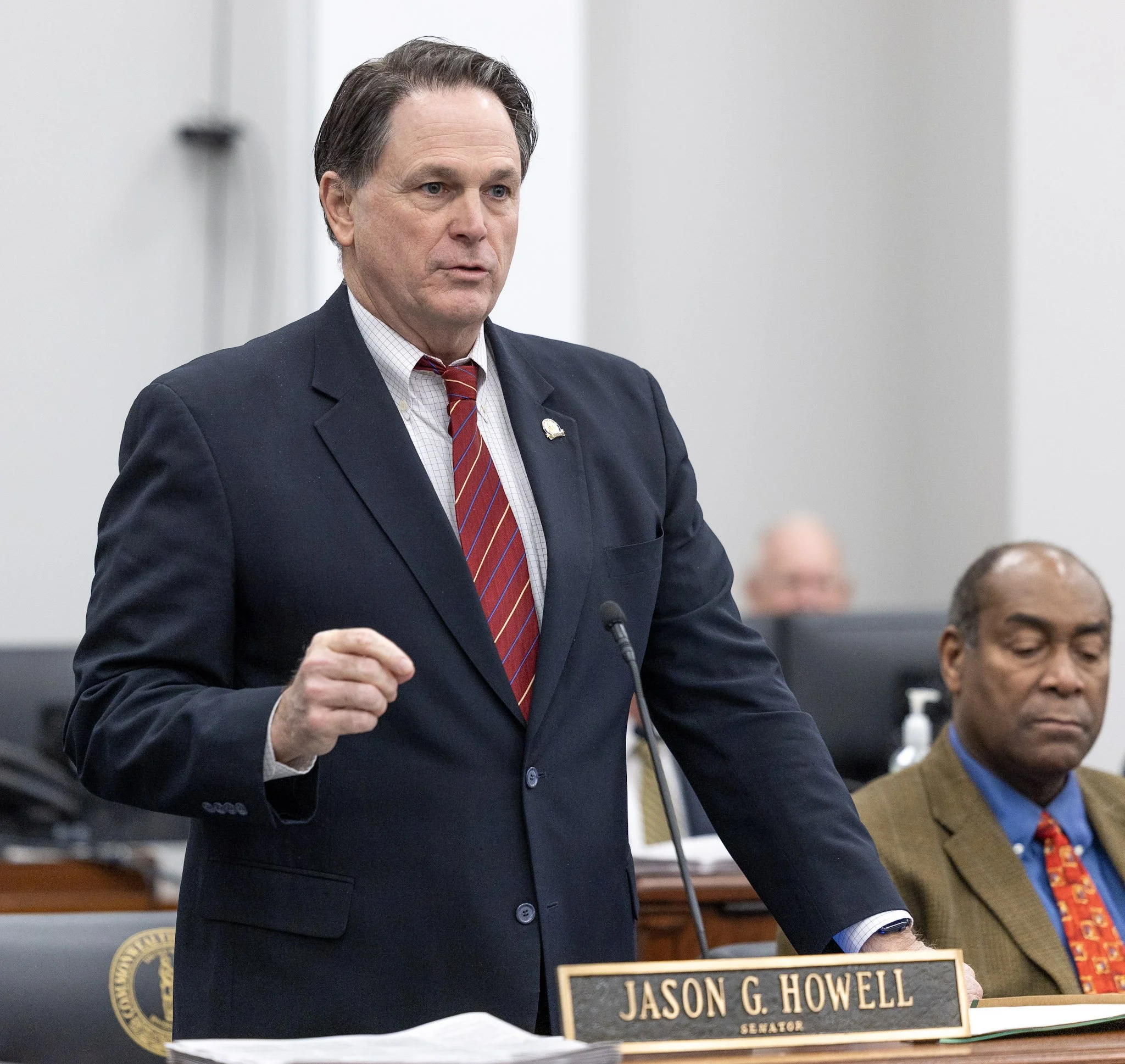
FRANKFORT, Ky. (Mar. 12, 2026) — Two measures sponsored by Sen. Jason Howell, R-Murray, chair of the Senate Agriculture Committee, advanced Wednesday after receiving approval from the House Banking and Insurance Committee. 

Senate Bill (SB) 5 and SB 199 both cleared the committee and are now eligible to be considered by the full House of Representatives. Both bills have earned broad support from Kentucky’s agricultural communities. Testifying alongside Howell before the House committee was Kentucky Farm Bureau President Eddie Melton. 


SB 5 removes barriers that have made it difficult for Kentucky schools to purchase locally grown agricultural products, helping connect students with fresh food while supporting in-state farmers.

The legislation builds on the “Food is Medicine” initiative launched by Kentucky Agriculture Commissioner Jonathan Shell, which promotes the use of fresh, locally sourced food to improve health outcomes and reduce long-term health care costs. The initiative has focused on increasing access to nutritious food in schools, hospitals and high-need communities across the commonwealth.

“SB 5 makes it easier for our schools to purchase Kentucky-grown food by removing unnecessary procurement barriers and giving districts the flexibility to work directly with local farmers,” Howell said. “Because many children receive up to 60 percent of their daily calories at school, improving the quality of those meals is an important step in supporting better health. This bill also strengthens training and certification for school food service directors so we can continue promoting strong nutrition practices in our schools.”

The second measure, SB 199, aligns Kentucky’s pesticide labeling standards with federal law and provides clarity for manufacturers, retailers and consumers operating in Kentucky.

The U.S. Environmental Protection Agency (EPA) has exclusive authority over pesticide regulation, including the content of warning labels. SB 199 establishes that a pesticide label approved by the EPA under federal law is deemed a sufficient warning label under Kentucky law for purposes of state duty-to-warn claims. By recognizing EPA-approved labels as meeting state requirements, the bill ensures consistency with federal standards and helps protect Kentucky farmers from product price increases driven by frivolous lawsuit exposure.

Howell said the legislation would provide regulatory certainty while maintaining strong consumer protections. The measure also preserves accountability by maintaining liability in cases where a manufacturer knowingly withholds or misrepresents material safety information.

“Kentucky should not create conflicting standards when clear, science-based labeling requirements already exist at the federal level,” Howell said. “SB 199 keeps our state consistent with federal law, provides clarity for farmers and businesses, and ensures accountability remains in place when safety information is knowingly withheld or misrepresented.”


Both bills may now be taken up by the full House.

REED BILL PROVIDES CLEAR FRAMEWORK FOR KENTUCKY STATE POLICE OFF-DUTY EMPLOYMENT

REED BILL PROVIDES CLEAR FRAMEWORK FOR 

KENTUCKY STATE POLICE

OFF-DUTY EMPLOYMENT 

FRANKFORT, Ky. (Mar. 12, 2026) — Legislation sponsored by Sen. Aaron Reed, R-Shelbyville, which will establish clear policies for Kentucky State troopers’ off-duty employment, has successfully made it out of the Senate Veterans, Military Affairs and Public Protection Committee.

Senate Bill (SB) 278 updates several sections of state law to require the commissioner of the Kentucky State Police to authorize certain types of law enforcement-related off-duty employment for troopers and to establish formal policies and procedures governing that work.

The bill directs the commissioner to create guidelines addressing officer conduct, the use of uniforms and equipment, and other operational standards when troopers are working in an off-duty capacity. 

Supporters say the measure ensures that off-duty work performed by state troopers remains professional, transparent and consistent across the agency while helping meet public safety needs in communities across the commonwealth.

Reed, a veteran United States Navy SEAL, said the legislation reinforces accountability while recognizing the valuable role trained law enforcement officers can play when providing security and other services outside their regular duties.

“Public safety professionals deserve clear guidelines that protect both the officers and the communities they serve,” Reed said. “This legislation ensures Kentucky State troopers who choose to work approved off-duty assignments can do so under consistent standards that maintain professionalism, transparency and trust with the public.”

The legislation clarifies that officers may use uniforms, equipment and motor vehicles when engaged in approved off-duty employment and directs agency leadership to establish comprehensive policies to ensure accountability and oversight.

Reed said the bill reflects a broader commitment to supporting Kentucky’s law enforcement officers while maintaining high standards of integrity and professionalism.

“Men and women who wear the badge dedicate their lives to protecting others,” Reed said. “This measure simply ensures we have clear rules in place that allow them to serve their communities both on and off duty in a responsible way.”

SENATE APPROVES STORM LEGISLATION CLARIFYING DUI ENFORCEMENT PROCEDURES

SENATE APPROVES STORM LEGISLATION

CLARIFYING DUI ENFORCEMENT PROCEDURES

FRANKFORT, KY. (March 12, 2026) — The Kentucky Senate has approved legislation sponsored by Sen. Brandon Storm, R-London, to modernize Kentucky’s impaired driving statutes and strengthen clarity in DUI enforcement.

Senate Bill (SB) 66 updates several provisions of Kentucky’s DUI laws following the Kentucky Supreme Court’s 2021 McCarthy decision involving blood-test refusals.

The bill clarifies that drivers who refuse a court-ordered blood test will face a license suspension at arraignment and, if later convicted of DUI, an additional suspension administered by the Transportation Cabinet.

Storm said the legislation ensures Kentucky law clearly outlines the legal consequences of refusing chemical testing during DUI investigations.


“Law enforcement officers and courts need clear procedures when dealing with impaired driving cases,” Storm said. “This bill helps eliminate confusion while maintaining important protections for drivers and ensuring accountability for dangerous behavior on our roads.”

The legislation also updates the list of substances subject to per se DUI prosecutions to include fentanyl, clonazepam and cyclobenzaprine and clarifies procedures related to roadside preliminary breath tests.

SB 66 now moves to the House of Representatives for further consideration.

Learn more about bills, committees, and other important updates on the 2026 Regular Session at www.kylegislature.gov

STORM BILL STRENGTHENING KENTUCKY LAW AGAINST TRAFFICKING IN HUMAN REMAINS PASSES SENATE

STORM BILL STRENGTHENING KENTUCKY LAW AGAINST TRAFFICKING IN HUMAN REMAINS PASSES SENATE

FRANKFORT, KY. (March 12, 2026) — The Kentucky Senate has approved legislation sponsored by Sen. Brandon Storm, R-London, to strengthen Kentucky law against the unlawful sale or transfer of human remains.

Senate Bill (SB) 221 would make it a Class D felony to knowingly purchase, sell or transfer a corpse or any part of a corpse after the remains have been authorized for burial or cremation.

Storm, who chairs the Senate Judiciary Committee, said the bill addresses troubling cases reported in other states where human remains were improperly sold after individuals had donated their bodies for medical research or education.

“Families deserve the peace of mind that their loved ones will be treated with dignity and respect,” Storm said. “This legislation helps close a gap in state law by making it clear that once remains have been prepared for burial or cremation, they cannot be commercially transferred without proper authorization.”

Storm said the bill ensures Kentucky law clearly prohibits the trafficking of human remains once final disposition has been authorized.

SB 221 now moves to the House of Representatives for consideration.

Learn more about bills, committees, and other important updates on the 2026 Regular Session at www.kylegislature.gov

STIVERS’S SENATE BILL 261 PROVIDES FOR SWINGING BRIDGE MAINTENANCE AT LOCAL LEVEL

STIVERS’S SENATE BILL 261 PROVIDES FOR SWINGING BRIDGE MAINTENANCE AT LOCAL LEVEL

Bridges may be maintained by cities or counties based on local needs and agreements

FRANKFORT, Ky. (Mar. 12, 2026)—Senate Bill (SB) 261, sponsored by Senate President Robert Stivers, R-Manchester, will help preserve pedestrian swinging bridges, a critical infrastructure element in Kentucky’s eastern region. SB 261 has passed the full Senate and may now be taken up by the House of Representatives.

SB 261 allows county fiscal courts to provide for the care and maintenance of pedestrian swinging bridges. The measure also extends liability protections to landowners who lease property to local governments for the purpose of maintaining these bridges.

Pedestrian swinging bridges have long served as important community landmarks, particularly in eastern Kentucky, providing both historic connections across waterways and unique recreational opportunities for residents and visitors. Swinging bridges also serve as an appealing, unique tourist attraction to the eastern region's charm.


The legislation comes as many of these structures have fallen into disrepair and pose a danger to anyone traversing them. Increased severe flooding in recent years has negatively impacted these bridges and the communities that depend on them as a critical link in eastern Kentucky life.  

“Pedestrian swinging bridges are part of the heritage and identity of many eastern Kentucky communities,” Stivers said. “After the flooding we’ve experienced in recent years, it’s more important than ever that local governments have the latitude to maintain these structures so families and visitors can continue to enjoy them safely.”

Stivers noted that the measure also provides important legal clarity for landowners who partner with local governments to preserve these bridges for public use.

“By providing reasonable liability protections, this legislation encourages cooperation between property owners and local governments so these bridges can remain accessible for personal, recreation and public enjoyment,” Stivers said. “It’s a practical step to help preserve a small but meaningful part of Kentucky’s history while supporting outdoor tourism and community pride.”

SB 261 reflects ongoing efforts to support rural communities and maintain the unique cultural and recreational assets that make Kentucky’s Appalachian region special.

SENATE PASSES MILLS LEGISLATION TO STRENGTHEN KENTUCKY ENERGY PLANNING COMMISSION

SENATE PASSES MILLS LEGISLATION TO STRENGTHEN KENTUCKY ENERGY PLANNING COMMISSION

FRANKFORT, Ky. (March 12, 2026) — The Kentucky Senate has passed Senate Bill 100, legislation sponsored by Sen. Robby Mills, R-Henderson, to strengthen Kentucky’s long-term energy planning efforts and ensure state leaders have the information necessary to maintain reliable and affordable electricity for the commonwealth.

The legislation updates the structure and operations of the Energy Planning and Inventory Commission (EPIC), intending to revitalize the commission’s original mission of evaluating Kentucky’s energy resources and developing a long-term strategy for meeting future demand.

“Reliable energy is essential to Kentucky’s economy and quality of life,” Mills said. “Senate Bill 100 helps ensure the Legislature has the data, expertise and long-term planning tools needed to make sound energy policy decisions that protect ratepayers and support economic growth.”

Mills said the commission’s statewide planning role has struggled to move forward in recent years due to delays in appointments, bureaucratic hurdles and limited engagement from industry stakeholders. Senate Bill 100 is designed to strengthen the commission’s ability to carry out its mission and provide the Legislature with independent analysis of Kentucky’s energy needs.

Under the bill, EPIC would operate with a stronger executive leadership structure, making the organization more executive-director-driven, with the commission board and executive committee serving in advisory roles. The legislation also reinforces the commission’s independence so it can produce objective analysis and recommendations for lawmakers while remaining administratively attached to the University of Kentucky for support services.

Senate Bill 100 also makes several operational updates, including adjustments to the structure of the commission’s executive committee, the maintenance of Senate confirmation authority for key appointments, and greater flexibility for the commission to recruit specialized energy professionals to conduct technical studies.

The bill also clarifies that certain work products of the commission may be exempt from public disclosure due to the sensitive nature of energy planning information.

Mills said the legislation is intended to help Kentucky develop a long-term energy strategy that ensures reliability while supporting economic development.

“The goal is to ensure Kentucky has a strong, independent energy planning process that lawmakers can rely on as we prepare for future growth and rising electricity demand,” Mills said. “This bill helps position Kentucky to remain a leader in energy production while protecting the interests of our citizens and ratepayers.”

Senate Bill 100 now heads to the Kentucky House of Representatives for consideration.