
SENATE APPROVES COLLABORATIVE PLAN TO SUPPORT KENTUCKY STATE UNIVERSITY

SENATE APPROVES COLLABORATIVE PLAN

TO SUPPORT KENTUCKY STATE UNIVERSITY

Senate Bill 185, offering a transformative reimagining of Kentucky's only public historically black college, moves to the state House for consideration

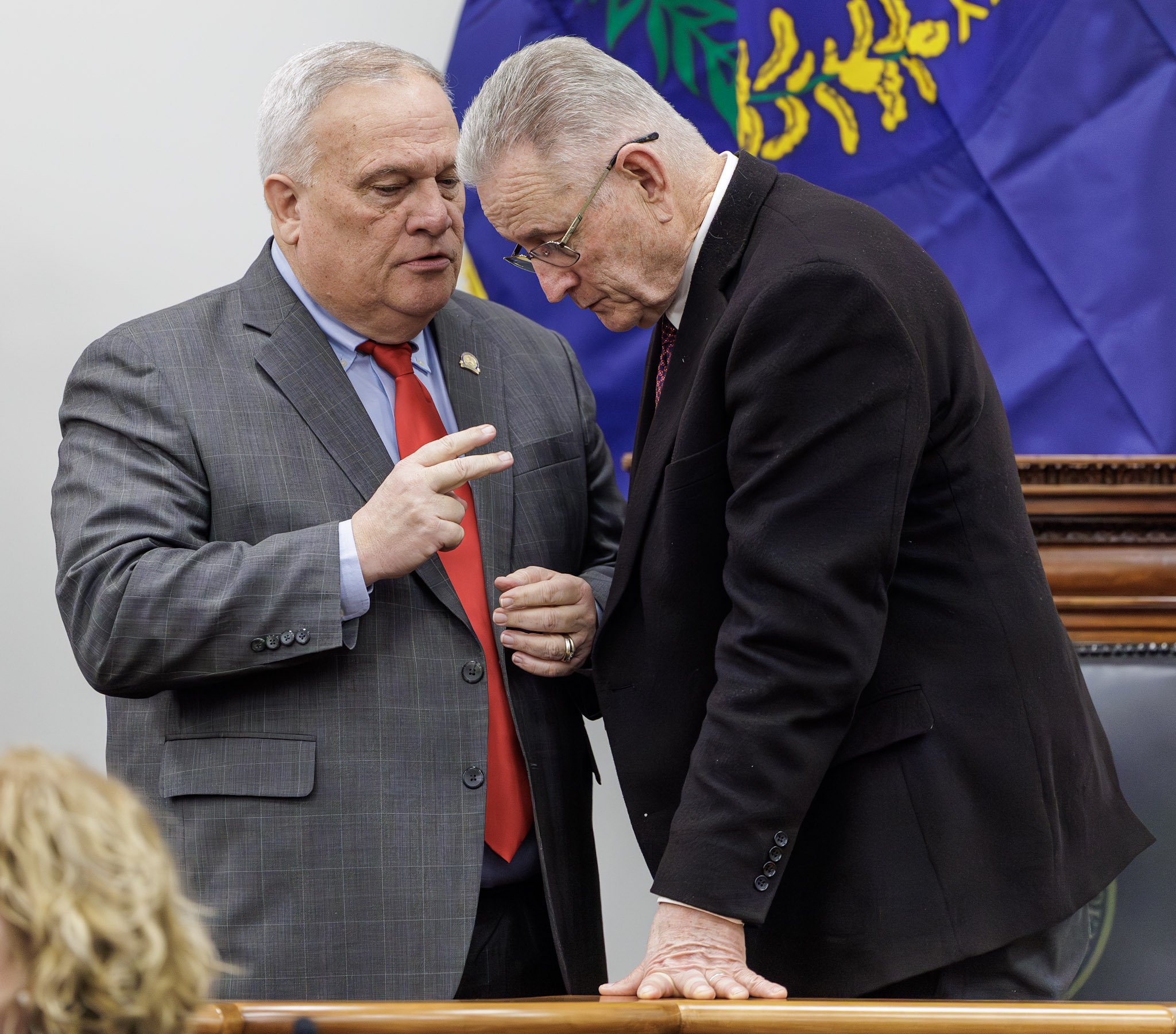
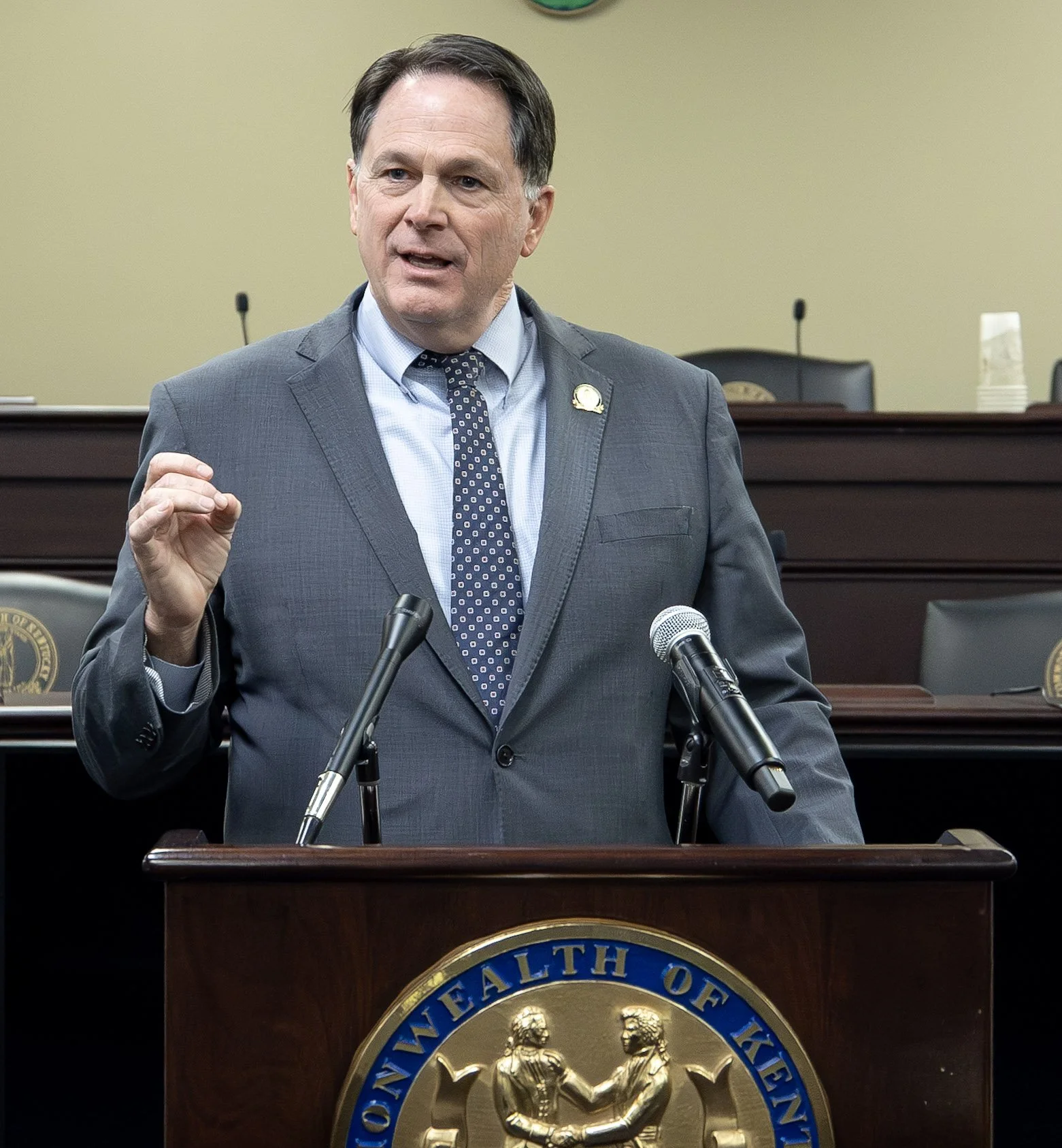
FRANKFORT, Ky. (March 26, 2026) — The Senate approved legislation on Thursday aimed at strengthening Kentucky State University (KSU), marking a collaborative step forward to support the commonwealth’s only historically Black university and position it for long-term success. Senate Bill (SB) 185 holds the support of KSU President, Dr. Koffi Akakpo and Council on Postsecondary Education President, Dr. Aaron Thompson.


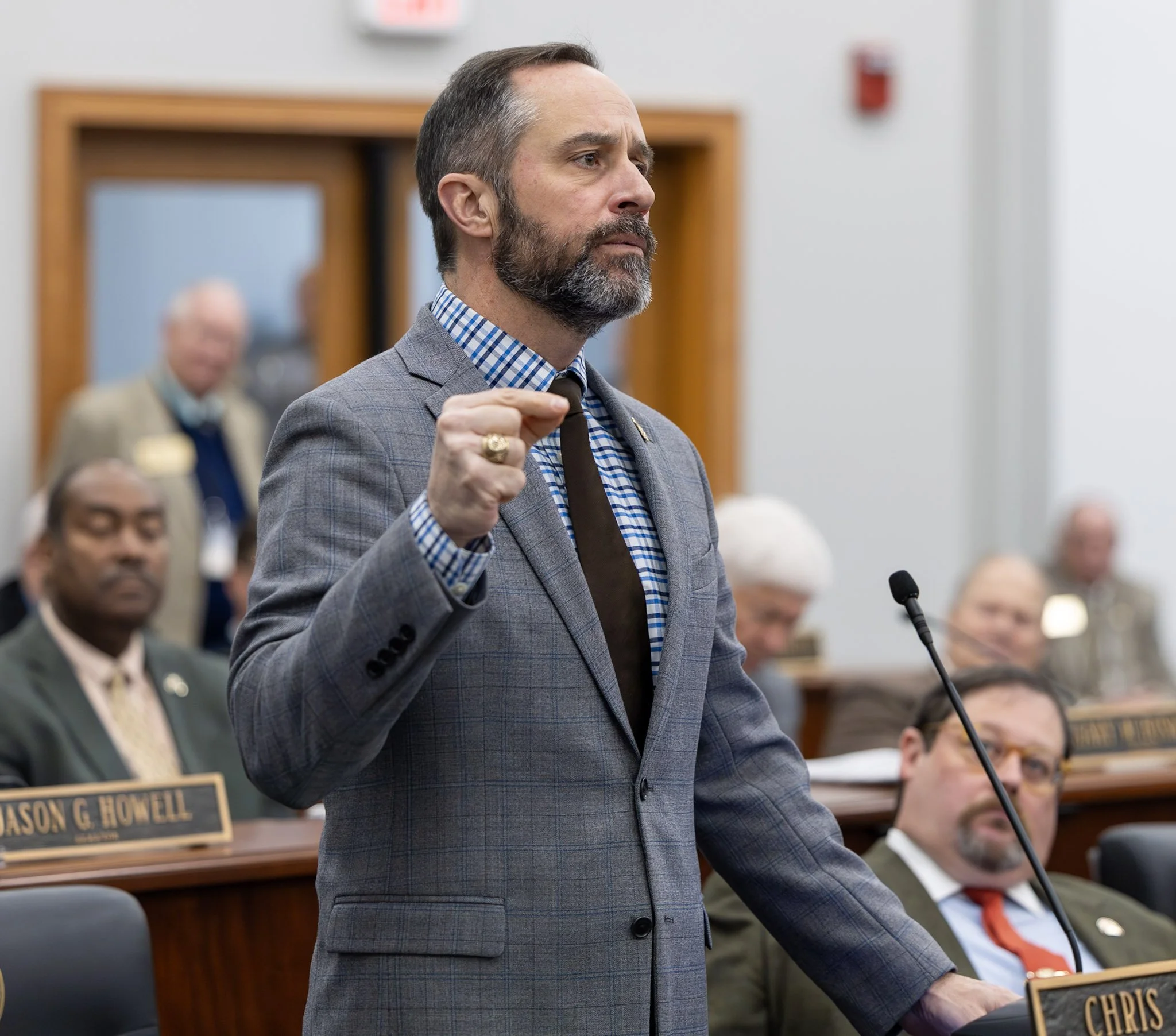
The measure, sponsored by Senate Budget Chair Sen. Chris McDaniel, R-Ryland Heights, reflects ongoing coordination between legislative leaders, university officials and higher education stakeholders to address current challenges while building a stronger foundation for the future. The proposal is designed to support improved financial stability, operational transparency and long-term planning at KSU, while ensuring the university remains focused on its core mission of serving students and expanding opportunity. 

The detailed provisions of SB 185 are outlined below.


In explaining the bill, McDaniel expressed his gratitude for where stakeholders have arrived and noted that the future of KSU was uncertain at the start of the 2026 Legislative Session. 

"After spending time with Dr. Akakpo, reviewing the challenges at the university and hearing his vision for the future, we understand now is not the time to give up on KSU," McDaniel said. "SB 185 reflects a partnership redefining what this institution can be for our commonwealth. It recognizes the importance of a strong, vibrant HBCU in Kentucky, sets high standards and expresses our confidence in Dr. Akakpo's leadership. Together, we believe the university can return to the success it once knew."

Collaborative reimagining and bipartisan support

Stakeholders say the bill reflects months of review and engagement on how KSU can best and most realistically move forward and reimagine its role in the lives of the students it serves. Thompson and CPE issued a statement on SB 185 on Wednesday:

"This vision represents an opportunity to build a targeted polytechnic university while honoring KSU's historic mission and legacy," the statement read. "The legislation is the result of thoughtful collaboration among legislative leadership in both chambers, along with leadership at KSU and the council. Together, our work reflects a shared commitment to aligning postsecondary education with Kentucky's evolving workforce and economic needs, while preserving the enduring strengths that make KSU an important part of our state's future." 

Members of the Senate Democratic Caucus spoke in favor of SB 185 on Thursday. 

"We have an ability to have a new start and for KSU to be even more relevant in the future," Sen. Gerald Neal, D-Louisville and KSU alumnus, said in explaining his support for the bill. 

Neal said he sees this effort as a way to retain KSU's land-grant status, which dates back to the 19th century.

Sen. Keturah Herron, D-Louisville, voted in favor of the bill and described the status of KSU as a "state of emergency," and encouraged alumni to come together as a collective to ensure KSU is the premier university it can be. 

"I believe this is the best path forward for Kentucky State University," Herron said. 

In his closing remarks on the floor, McDaniel recognized Neal and Arnold Simpson, who was the first African-American to represent northern Kentucky in the state House of Representatives. Simpson served for 24 years. 

"These two people in particular are both colossal figures in the history of the General Assembly, and are also legislative mentors of mine," McDaniel said. "They have displayed not only the utmost of statesmanship, but also of gentlemanly conduct, and I really look up to them." 


Provisions of SB 185 include the following.

Empowers leadership to implement reforms and collect debts

As a result of the bill, Akakpo is authorized to implement reforms, manage campus operations, and make employment decisions to stabilize and strengthen the institution. The bill also empowers KSU to collect debts owed to the university and refer them to the Kentucky Department of Revenue (DOR). The bill stipulates that DOR must intercept the debts owed to KSU.

Provides for a transformational institutional reset

The proposed measure enables a transformational institutional reset at KSU while preserving its status as Kentucky’s only public historically Black land-grant institution, aligning its future with a workforce-focused mission. 

Advances a polytechnic, workforce-focused model

The measure establishes a transition toward a polytechnic model focused on applied sciences and career-aligned programs. It directs the university's board of regents to work with the Kentucky Council on Postsecondary Education (CPE) to conduct a thorough review of all academic programs. It expands access through online education opportunities and narrows academic focus to align the university with long-term sustainability. 

For five years beginning with the 2026-27 academic year—and excluding areas of study that are exclusively online, in the college of education or determined by CPE to be necessary for KSU’s mission as a polytechnic institution—KSU may offer no more than 10 academic areas of study

Strengthens student success and accountability standards

Under SB 185, new standards are set for students seeking admission to KSU, including a minimum cumulative unweighted high school grade point average of 2.5 and a composite ACT score of at least 18. Further, the bill stipulates that any individual with a balance owed to KSU in excess of $1,000 and more than 30 days past due shall not be admitted or re-admitted to the university or participate in any courses, seminars or programs. 

Establishes financial exigency and enhanced oversight

SB 185 officially declares a state of financial exigency resulting from past leadership failures and mismanagement. It maintains the existing oversight structure, including the CPE approval requirement over expenditures. 

A Senate floor amendment was adopted to the bill, raising the threshold to expenditures over $20,000.

Strengthens financial accountability and transparency

Further, the bill bolsters financial accountability by requiring balanced operations, prohibiting deficit spending, implementing EMARS financial tracking and enhancing real-time oversight.

Enhances oversight and reporting requirements

The bill's provisions require regular financial and operational updates to the CPE and the General Assembly. KSU must provide monthly reports on university finances to CPE in a format to be determined by CPE, and the council will provide quarterly updates to the General Assembly and the governor.

Establishes accountability for campus organization

McDaniel’s measure requires campus organizations and affiliated groups to meet updated expectations for recognition and alignment with university policies. 

By July 1, each fraternity or sorority must reapply to KSU for official recognition of the organization’s charter. If the KSU Board of Regents does not reaffirm the charter by August 1, the charter's recognition is revoked. 

Addresses legacy financial obligations

A provision of the bill is specifically designed to assist KSU in addressing an existing, burdensome legacy financial agreement and to incentivize renegotiation or restructuring of an existing contract. 

Proposes strategic investment in the university’s future

McDaniel, along with House and Senate leaders, is currently in conference committee discussions regarding the state’s next two-year spending plan, which includes general funds support for the commonwealth’s postsecondary institutions. 

Despite at least one misleading headline, there are no cuts to Kentucky State University’s funding in the proposed state budget. As Senate Budget Chair Chris McDaniel stated during the bill's committee presentation on Wednesday, the biennial budget will hold KSU's base funding steady and protect its core operations. In addition, the university’s top infrastructure priority, a new health sciences building, is positioned to receive authorized bond funding support in the second year of the budget, contingent on stable financial conditions. Discussions are ongoing about additional funding for asset preservation and support for KSU during this transition period.

SB 185 now advances to the House for consideration.
GENERAL ASSEMBLY APPROVES STORM BILL TO STRENGTHEN AND STREAMLINE CASA PROGRAM OPERATIONS

GENERAL ASSEMBLY APPROVES STORM BILL TO STRENGTHEN AND STREAMLINE CASA PROGRAM OPERATIONS

Legislation supporting court-appointed special advocate programs heads to governor’s desk

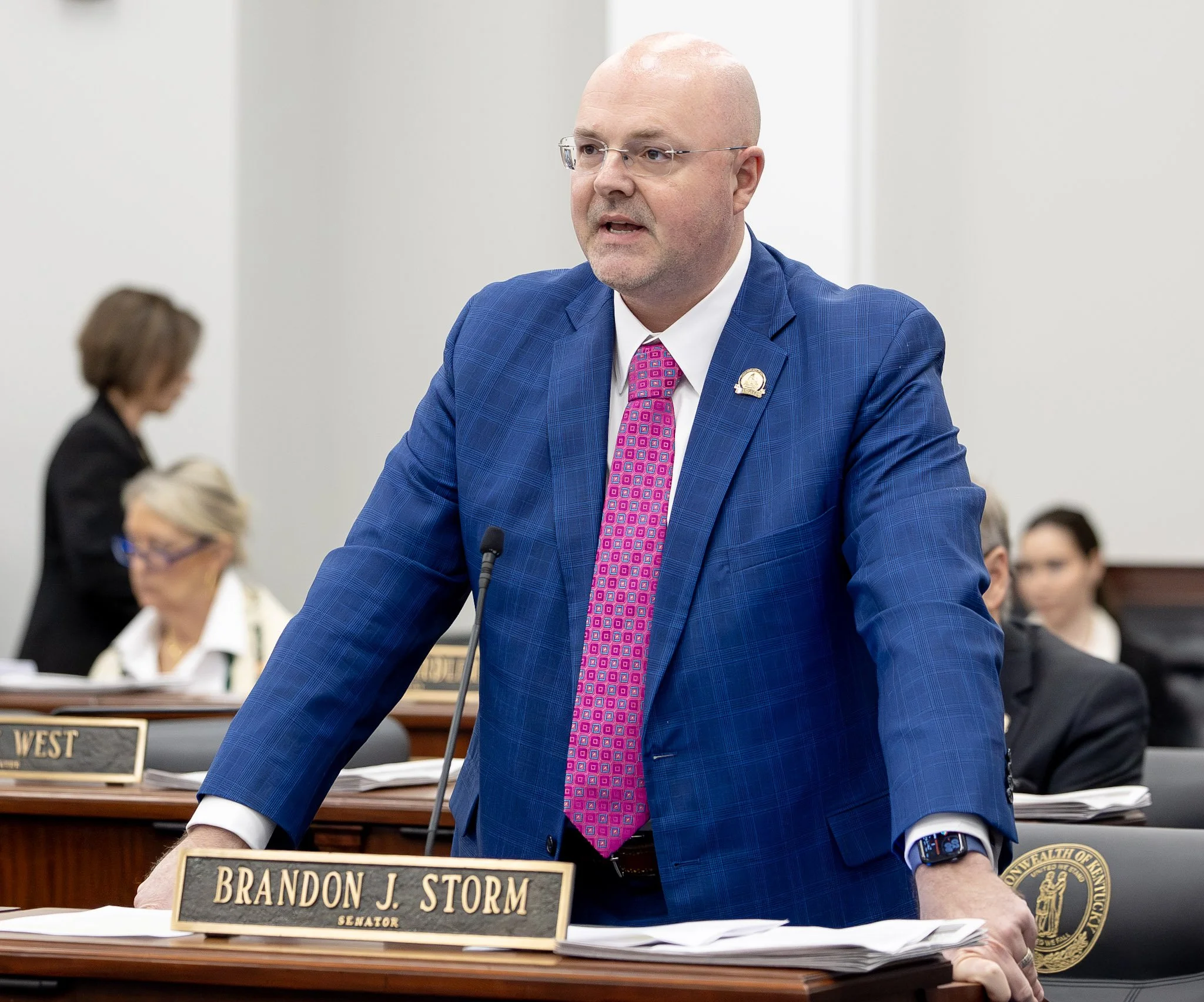
FRANKFORT, Ky. (March 26, 2026) —  Legislation sponsored by Sen. Brandon Storm, R-London, to update and streamline Kentucky’s Court-Appointed Special Advocate (CASA) program requirements has cleared the General Assembly and now heads to the governor’s desk for final consideration.

Senate Bill (SB) 17 makes several targeted updates to statutes governing CASA programs, which recruit and train volunteers to advocate for children involved in abuse, neglect, and dependency cases before Kentucky courts.

The legislation reduces the minimum number of board members required for local CASA programs from 15 to 12, helping communities maintain effective local leadership while easing administrative hurdles that can make it difficult for smaller programs to sustain volunteer boards.

SB 17 also updates statutory language to reference the Department for Community Based Services (DCBS) when outlining restrictions on employees who may not serve as CASA volunteers or staff. The bill removes outdated references to national CASA standards while maintaining oversight through Kentucky law and the Kentucky CASA Network.

Storm said the measure is designed to help CASA programs remain focused on their core mission of advocating for vulnerable children navigating the court system.

“CASA volunteers play a vital role in our courts by helping ensure the best interests of vulnerable children are represented throughout the legal process. Senate Bill 17 makes practical updates that help local programs continue recruiting volunteers and maintaining strong leadership so they can stay focused on advocating for children who need support the most.”

The legislation also includes technical and conforming updates to related child welfare statutes to ensure consistency across Kentucky law.

Rep. Stephanie Dietz, R-Edgewood, who carried the bill in the House of Representatives, said:

“This bill is an important step in continuing to provide children living through unimaginable circumstances a voice. By formally recognizing the Court Appointed Special Advocate (CASA) Network in statute, streamlining local boards to meet community needs, and updating program standards under state oversight, we strengthen CASA’s ability to protect children and ensure their safety.” Rep. Stephanie Dietz (R-Covington)

SB 17 received bipartisan support in both chambers and now awaits the governor’s signature.


Learn more about bills, committees, and other important updates on the 2026 Regular Session at www.kylegislature.gov.

REED’S BILLS TO REHIRE EXPERIENCED TROOPERS, PROVIDE FOR OFF-DUTY EMPLOYMENT PASSES OUT OF HOUSE COMMITTEE

REED’S BILLS TO REHIRE EXPERIENCED TROOPERS, PROVIDE FOR OFF-DUTY EMPLOYMENT PASSES OUT OF HOUSE COMMITTEE

SB 102, SB 278, clear next legislature hurdle, will boost public safety and ease workforce shortages

FRANKFORT, Ky. (March 25, 2026)—Two bills sponsored by Sen. Aaron Reed, R-Shelbyville, passed out of the House Veterans, Military Affairs, & Public Protection Committee Tuesday. 

SB 102 will allow retired Kentucky State Police (KSP) troopers previously appointed to the Trooper R Class or Commercial Vehicle Enforcement R Class to return to duty, offering a practical solution to strengthen public safety and address statewide staffing shortages.

The other measure, SB 278, authorizes certain types of law enforcement-related off-duty employment for troopers and establishes formal policies and procedures governing that work.

Troopers will be able to use uniforms and equipment, when troopers are working in an off-duty capacity. The measure ensures off-duty work remains professional, transparent and consistent across the agency while helping meet public safety needs in communities across the commonwealth.

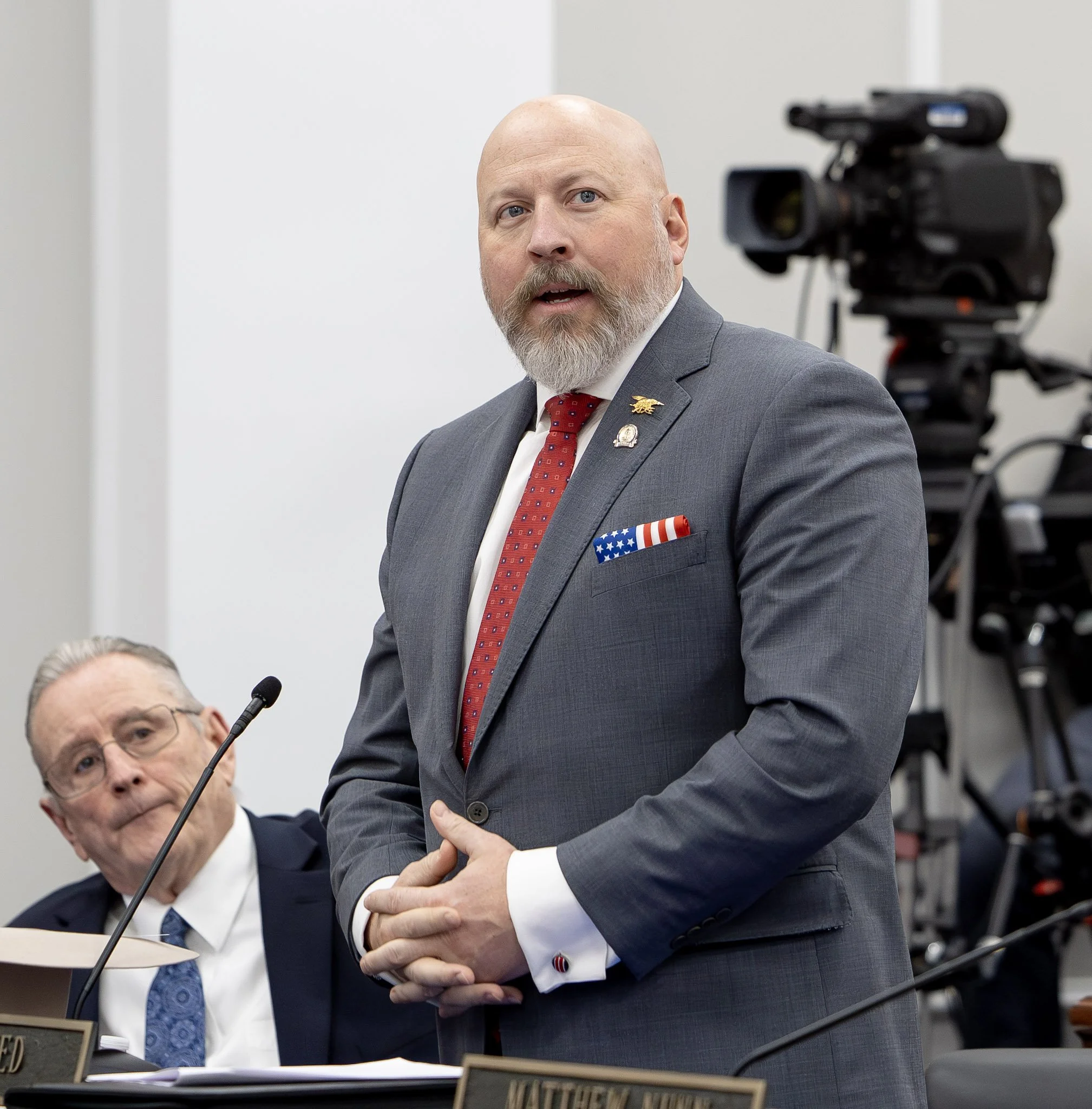
Reed, a veteran United States Navy SEAL, said both bills reinforce the valuable role trained troopers can play when returning to service after retirement or providing security and other services outside their regular duties.

“We’re strengthening public safety by expanding opportunities for retired troopers to continue serving their communities,” Reed said. “With SB 278, we’re establishing a clear, consistent standard for off-duty employment across the Kentucky State Police to ensure that work reflects the high expectations of those who wear the uniform.”

SB 278 clarifies that troopers may use uniforms, equipment and motor vehicles when engaged in approved off-duty employment and directs agency leadership to establish comprehensive policies to ensure accountability and oversight.

To follow the progress of either of these bills and other legislative updates, visit Legislature.ky.gov.

SENATE COMMITTEE ADVANCES COLLABORATIVE PLAN TO SUPPORT KENTUCKY STATE UNIVERSITY

SENATE COMMITTEE ADVANCES COLLABORATIVE 

PLAN TO SUPPORT KENTUCKY STATE UNIVERSITY

FRANKFORT, Ky. (March 25, 2026) — The Senate Appropriations and Revenue Committee has advanced legislation aimed at strengthening Kentucky State University (KSU), marking a collaborative step forward to support the commonwealth’s only historically Black university and position it for long-term success.

“I want to thank the leadership of the Senate and the House, and Chairman McDaniel, for helping us reach this point," Akakpo said. "The path here has not been easy, but we have found a way forward together. The work ahead will require your continued support as we reposition Kentucky State University to be one of the country's premier HBCUs. The past two years have been difficult, but I see the light at the end of the tunnel, and I am confident good things are ahead for this institution.”


The measure, sponsored by Senate Budget Chair Sen. Chris McDaniel, R-Ryland Heights, reflects ongoing coordination between legislative leaders, university officials and higher education stakeholders to address current challenges while building a stronger foundation for the future. The proposal is designed to support improved financial stability, operational transparency and long-term planning at KSU, while ensuring the university remains focused on its core mission of serving students and expanding opportunity.

Provisions of SB 185 include the following.

Empowers leadership to implement reforms and collect debts

As a result of the bill, Alakpo is granted targeted authority to implement reforms, manage campus operations and make employment decisions necessary to stabilize and strengthen the institution [Section 2, (5)]. The bill also empowers KSU to collect debts owed to the university and to refer those debts to the Kentucky Department of Revenue (DOR) [Section 4 (1) (a-c)]. The bill stipulates that DOR must intercept the debts owed to KSU [Section 4 (2)].

McDaniel and many others have expressed high confidence in Akakpo’s ability and willingness to lead the university into a new era. Akakpo has emphasized the importance of partnership and shared commitment in moving the university forward

In a recent floor speech, McDaniel commended the leadership and dedication he has witnessed in Akakpo

“Dr. Akakpo is leading Kentucky State with integrity and focus under some of the most challenging circumstances imaginable, and his work deserves our full support,” McDaniel acknowledged. “To those who have not met Dr. Akakpo nor seen what he is doing at Kentucky State, you are missing a leader who is performing admirably under some historically daunting circumstances.”

Provides for a transformational institutional reset

The proposed measure enables a transformational institutional reset at KSU while preserving its status as Kentucky’s only public historically Black land-grant institution, aligning its future with a workforce-focused mission. 

Advances a polytechnical, workforce-focused model

The measure establishes a transition toward a polytechnical model focused on applied sciences and career-aligned programs [Section 1 (1)]. It directs the university's board of regents to work with the Kentucky Council on Postsecondary Education (CPE) to conduct a thorough review of all academic programs. It expands access through online education opportunities and narrows academic focuses to align the university with long-term sustainability [Section 2 (1)]

For five years beginning with the 2026-27 academic year—and excluding areas of study that are exclusively online, in the college of education or determined by CPE to be necessary for KSU’s mission as a polytechnical institution—KSU may offer no more than 10 academic areas of study [Section 2 (4) (a-c)]. 

Strengthens student success and accountability standards

Under SB 185, new standards are set for students seeking admission to KSU, including a minimum cumulative unweighted high school grade point average of 2.5 and a composite ACT score of at least 18 [Section 3 (1) (a-b)]. Further, the bill stipulates that any individual with a balance owed to KSU in excess of $1,000 and more than 30 days past due shall not be admitted or re-admitted to the university or participate in any courses, seminars or programs [Section 3 (2)]

Establishes financial exigency and enhanced oversight

SB 185 officially declares a state of financial exigency resulting from past leadership failures and mismanagement [Section 3 (3)]. It maintains the existing oversight structure, including the CPE approval requirement over expenditures.

Strengthens financial accountability and transparency

Further, the bill bolsters financial accountability by requiring balanced operations, prohibiting deficit spending, implementing EMARS financial tracking and enhancing real-time oversight [Section 1 (4)].

Enhances oversight and reporting requirements

The bill's provisions require regular financial and operational updates to the CPE and the General Assembly. KSU must provide monthly reports on university finances to CPE in a format to be determined by CPE, and the council will provide quarterly updates to the General Assembly and the governor [Section 1 (3) (b)].

Establishes accountability for campus organization

McDaniel’s measure requires campus organizations and affiliated groups to meet updated expectations for recognition and alignment with university policies. 

By July 1, each fraternity or sorority must reapply to KSU for official recognition of the organization’s charter. If the KSU Board of Regents does not reaffirm the charter by August 1, the charter's recognition is revoked [Section 6]

Addresses legacy financial obligations

A provision of the bill is specifically designed to assist KSU in addressing an existing, burdensome legacy financial agreement and to incentivize renegotiation or restructuring of an existing contract [Section 1 (6)]. 

Sen. Gerald Neal, D-Louisville, voted in favor of the bill.

"I think this is a huge opportunity here," Neal said in committee. "We have the right leader in place, we have strong support from the Council on Postsecondary Education and now we need the right policies to get to the objective we all embrace. I have confidence in Dr. Akakpo's leadership and his committement to the future of this instituion. I encourage continued partnership so we can achieve the results we want for Kentucky State."

Sen. Cassie Chambers Armstrong, D-Louisville, commended stakeholders "trying to achieve outcomes together."

Collaborative reimagining

Stakeholders say the bill reflects months of review and engagement on how KSU can best and most realistically move forward and reimagine its role in the lives of the students it serves. SB 185 is a meaningful expression of the legislature’s commitment to providing the university with the opportunity to course-correct and thrive by providing the tools and support needed to usher in long-overdue reforms. 

CPE President Aaron Thompson joined the committee’s discussion on SB 185 and recognized McDaniel and the leadership of the majority and minority caucuses for their work to craft SB 185.

Like McDaniel and many others, Thompson also commended Akakpo's leadership.

“Working with Dr. Akakpo has been a blessing, and his leadership at Kentucky State University is important as we move forward," Thompson said. "Building a strong campus means investing in both the physical infrastructure and the human infrastructure, and I appreciate the General Assembly’s willingness to partner in that effort.”

McDaniel notes it was a priority to bring people together to develop solutions that support students, the university and the commonwealth as a whole.

“This is about doing what is needed to help KSU survive and thrive,” McDaniel said. “With these steps, I believe we are providing structure and support. “I have a fundamental belief in Dr. Akakpo and that he will make the most of this opportunity and will set KSU on a course to a brighter future.”

Proposes strategic investment in the university’s future

McDaniel, along with House and Senate leaders, is currently in conference committee discussions regarding the state’s next two-year spending plan, which includes general funds support for the commonwealth’s postsecondary institutions. 

The state budget is expected to hold KSU's funding steady, and McDaniel has proposed budget language to support campus asset preservation, the transition to a polytechnical institution and the funding to support KSU’s highly prioritized health sciences building, contingent on clean financial reports.

SB 185 now advances to the Senate floor for consideration.

"COPY THAT:" SENATOR NUNN’S HALO APPROVED IN THE STATE HOUSE

"COPY THAT:" SENATOR NUNN’S HALO

APPROVED IN THE STATE HOUSE

The bill will soon be delivered to the governor’s desk for consideration

FRANKFORT, Ky. (March 25, 2026) — Senate Bill (SB) 104, known as the HALO Act, won approval in the state House of Representatives on Wednesday. Proposed and filed by Sen. Matt Nunn, R-Sadieville, this legislation would establish a 25-foot buffer zone, upon a request for more space, around first responders engaged in their official duties and clarify rules to minimize disruptions during emergency responses. 

The bill also establishes penalties for repeated violations involving obstruction and harassment of first responders in critical situations. The bill applies to officers, firefighters, EMS personnel and other personnel. Essentially, it reduces risk while sustaining lawful public activity.

“First responders must act quickly in high-stress and dangerous environments,” said Nunn. “That is why it is necessary to ensure they can carry out their duties both efficiently and safely during an emergency situation. Creating clear distance boundaries and penalties deters unnecessary behavior. That means stronger public safety for everyone. I’m eager to see how the governor weighs in on this bill, and I hope he will choose to put pen to paper and show our dedicated first responders he understands the stresses and sacrifices of their jobs.” 

The bill was presented in the House by Rep. Wade Williams, R-Madisonville.


"The HALO Act gives those on the front lines the space they need to do their jobs safely, while still respecting the public’s right to be present," Williams said. "As a former first responder, I’ve seen how quickly situations can turn dangerous. I appreciate Senator Nunn’s work on this and his commitment to both public safety and accountability."

A House revision to SB 104 was adopted; therefore, the bill will return to the Senate for concurrence before being delivered to the governor.

___


BACKGROUND

The HALO Act does not prevent lawful observing or recording. After a verbal warning, individuals who impede, threaten or harass a first responder within the 25-foot zone would face escalating penalties ranging from a Class B misdemeanor for a first offense to a Class D felony for repeat violations. 

Click here to access a video message from Nunn explaining the bill, and click here to view committee testimony beginning at the 18:35 timestamp. 

Press interested in setting up an interview with Sen. Nunn should contact Dustin Isaacs by call or text at 502-682-2591 or by email at Dustin.Isaacs@kylegislature.gov.  

Availability is limited and will be scheduled on a first-come, first-served basis.


Visit
Legislature.ky.gov to follow legislation filed during the ongoing 2026 Legislative Session.

NUNN’S CLASSROOM SAFETY 101 BILL GRADUATES FROM HOUSE

NUNN’S CLASSROOM SAFETY 101 

BILL GRADUATES FROM HOUSE

Teacher protection measures will soon arrive at the governor’s desk

FRANKFORT, Ky. (March 25, 2026) — On Wednesday, the state House of Representatives approved Senate Bill (SB) 101, sponsored by Sen. Matt Nunn, R-Sadieville, advancing a measure designed to strengthen protections for teachers and school employees and improve safety in classrooms across the commonwealth.

SB 101 establishes clear statewide standards for how schools respond to assaults against staff, requires incidents to be reported to law enforcement and ensures consistent accountability when reporting requirements are not followed.

“The House passing this bill shows there is a clear commitment to protecting the people who keep our schools running every day,” Nunn said. “Every educator and school employee deserves to feel safe when they walk into a classroom. That’s what we all expect when we go to work, and this bill helps make that expectation a reality.”

SB 101 requires a minimum 12-month expulsion for students in grades 6 through 12 who intentionally or recklessly cause or attempt to cause physical injury to school personnel. It also ensures expelled students continue to receive educational services through alternative or virtual programs.

Nunn said the final version of the legislation reflects extensive input from educators, administrators, law enforcement and youth advocates over the past year.

“From the beginning, we focused on getting this right,” Nunn said. “I’ve talked to teachers and school leaders about this since before I was even sworn into office, and I’m grateful it’s on its way to becoming law. I appreciate Rep. Patrick Flannery getting this bill closer to the finish line.”

Flannery, R-Olive Hill, cited information from the Kentucky Department of Education and from teacher organizations over the last five years: there have been roughly 25,000 assaults against teachers in the commonwealth. 

He called it "unacceptable" and said teachers should not have to fear for their safety just to do their job.


“Every student deserves a safe place to learn, and every teacher and school employee deserves a safe place to work," Flannery said. "Unfortunately, when acts of violence go unreported or unaddressed, it puts entire school communities at risk. SB 101 takes an important step forward by ensuring assaults and attempted assaults are properly reported and taken seriously, while establishing clear consequences for those who intentionally harm school staff. 

"By strengthening accountability and reinforcing zero tolerance for violence, we are sending a clear message: protecting our educators and students is not optional. I commend Sen. Nunn for his work on SB 101 and look forward to seeing it implemented.”

House revisions to SB 101

Nunn worked with House colleagues to revise the original bill. Revisions through a House Committee Substitution and through floor amendments added school bus stops as a location where student misconduct may trigger expulsions, and refined and clarified legal standards for expulsion, expanded reporting requirements to include attempted assaults and significant property damage, and strengthened data tracking requirements for school districts. 

The final version of SB 101 also explicitly clarifies a school district's ability to provide intervention services for students who are expelled if the student does not pose a safety threat, and that the student may receive an evaluation or treatment by the appropriate state or community agency. 

The bill offers a pathway by which a student, after 26 weeks, may return to the classroom if strict requirements are met, including a letter to the person injured by the student’s actions and to a review panel consisting of the victim, the school principal and the district superintendent, or designee. The panel reviews evidence to determine whether the requirements are satisfied and may authorize the end of the student’s expulsion only upon unanimous agreement of the adjudicating body. Additional requirements a student must meet for early admission back into school include 15 hours of community service for each week of expulsion, and a cumulative GPA of at least three on any coursework completed while expelled. 

An additional amendment to the bill establishes clearer reporting requirements between a board of education-created law enforcement agency and a local law enforcement agency that is independent of campus law enforcement.

A chance for bipartisan agreement

Nunn pointed to the bill as an opportunity for unified support at the state level.

“Our Governor talks often about supporting teachers, and we’ve sent him a bill that does exactly that in one of the most meaningful ways possible,” Nunn said. “This legislation helps ensure educators and school staff feel protected when they go to do what only they can do in our classrooms. I’m hopeful the governor will sign it into law and stand with lawmakers in prioritizing school safety.”

With house revisions, the bill will return to the Senate for concurrence before being delivered to the governor.

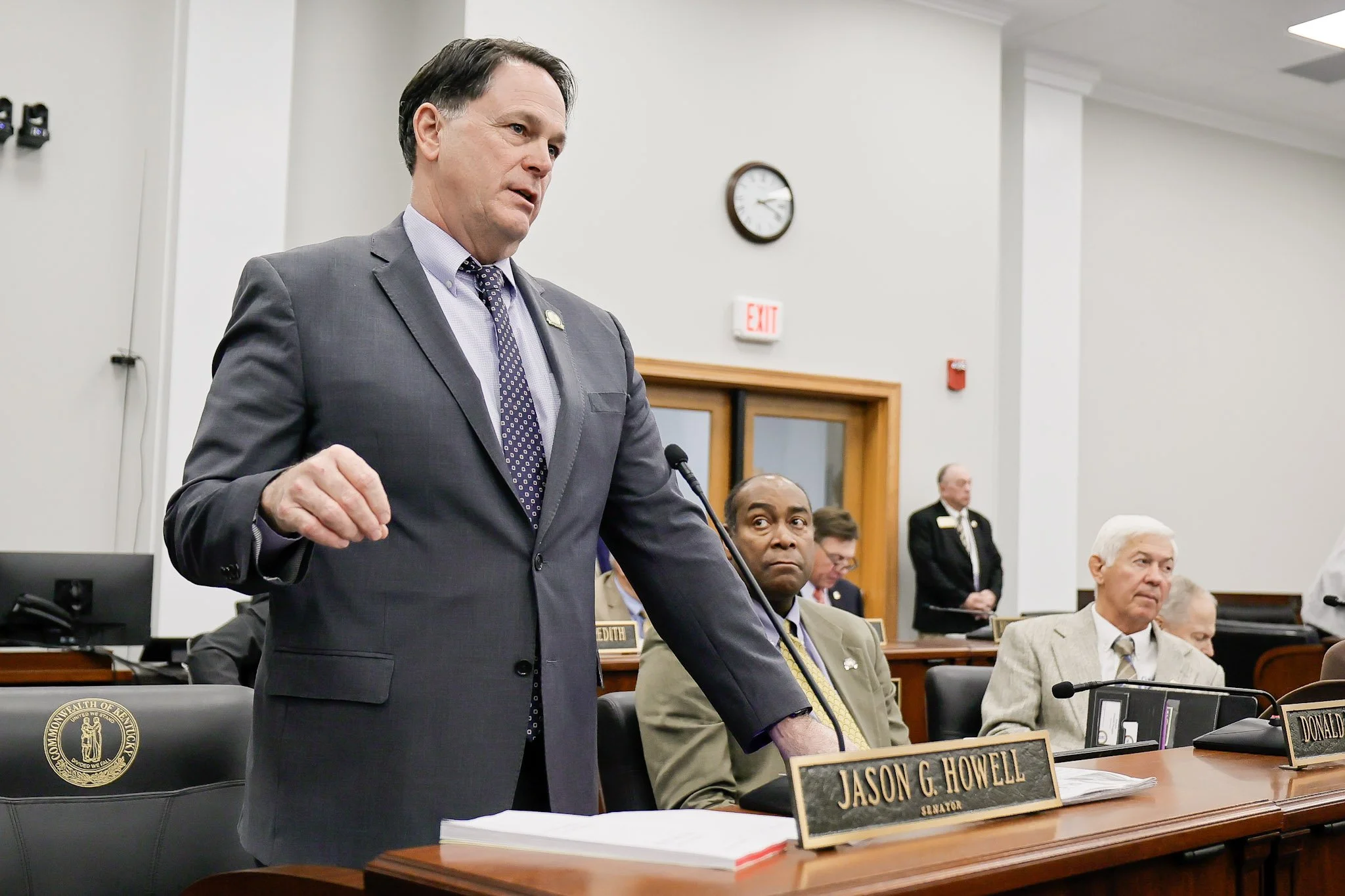
HOWELL SENATE BILL 158 ACHIEVES FINAL PASSAGE

HOWELL SENATE BILL 158 ACHIEVES FINAL PASSAGE

Bill provides clearer guidelines around unnecessary, hidden costs when purchasing a vehicle

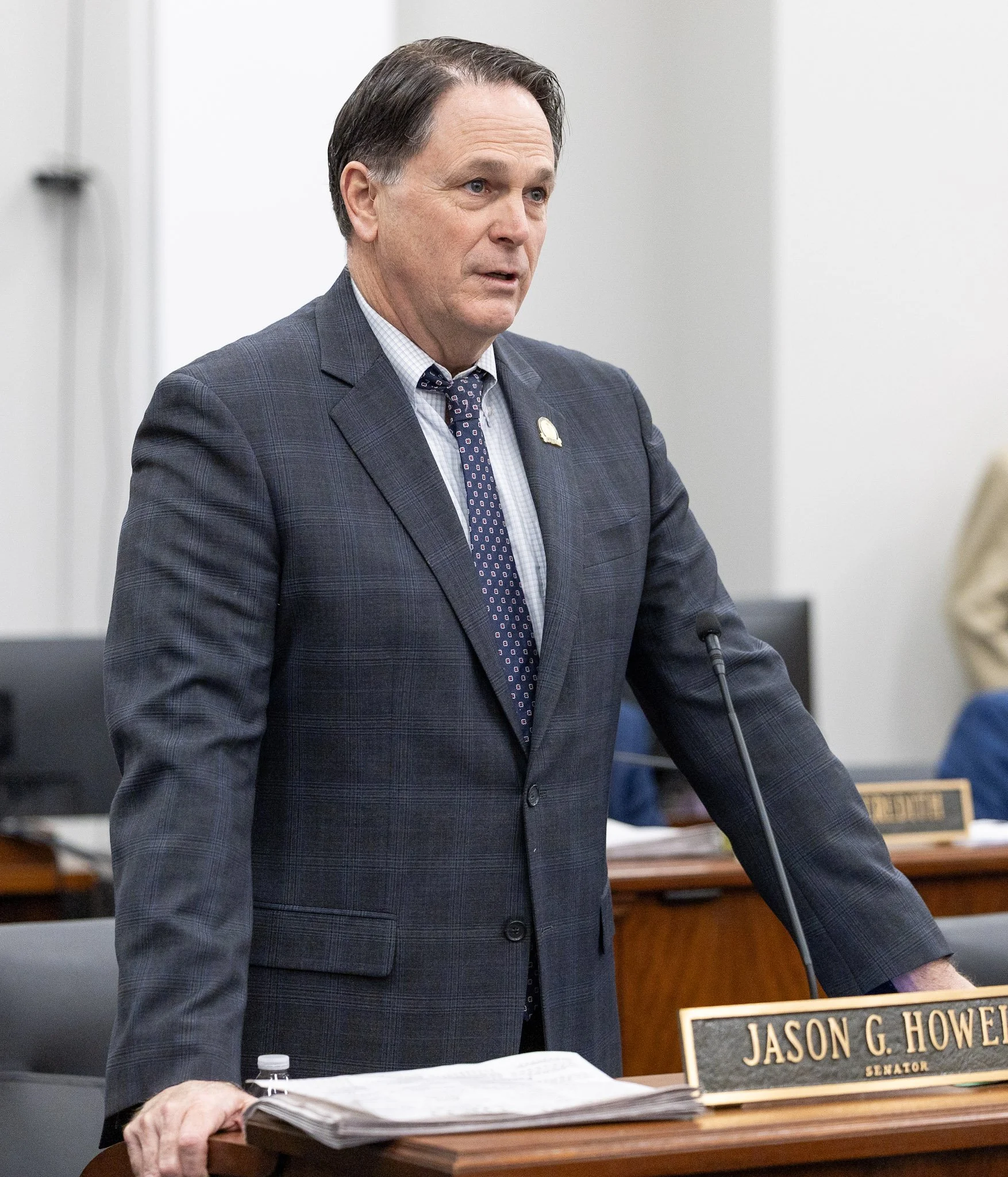
FRANKFORT, Ky. (March 25, 2026)— Senate Bill (SB) 158, sponsored by Senate Agricultural Committee Chair Jason Howell, R-Murray, achieved final passage and will be delivered to the governor for signature.

SB 158 will protect Kentucky consumers by establishing clear standards for optional financial products offered when buying a vehicle.

The measure ensures that add-on products such as debt cancellation coverage or vehicle value protection plans, remain strictly optional for consumers. These products must now be clearly disclosed and priced separately from loan interest, preventing lenders or dealers from making them a condition of financing or completing a vehicle sale.

A House Committee Substitute strengthened the bill by clarifying that vehicle value protection agreements are not insurance products and must be disclosed. The updated version also brings these agreements under enforcement provisions of the Kentucky Consumer Protection Act and establishes additional regulatory standards to ensure transparency and accountability.

“Buying a vehicle is already a significant decision, and this bill helps make that process clearer and less stressful by ensuring straightforward pricing, full disclosure and the freedom to choose what’s right for each individual without hidden costs or unnecessary extras,” Howell said. “SB 158 is about transparency as a consumer protection measure to keep Kentuckians from being pressured into additional costs when they are already making a major purchase.“

The legislation also creates a new regulatory framework for personal property insurance, including limits on coverage, consumer disclosure requirements, and oversight by the Kentucky Department of Insurance.

“This measure puts common-sense protections in place for consumers,” Rep. Matt Lockett, R-Nicholasville. By setting clear standards for optional vehicle financial products, we help people manage risks from wear, damage, or unexpected costs while making sure these products are fair and transparent.” 

The bill establishes consistent standards for contracts and will apply to all new agreements beginning Jan. 1, 2027.

WILLIAMS APPLAUDS COLLABORATIVE AND TRANSFORMATIVE REFORMS AIDING KENTUCKY STATE UNIVERSITY

WILLIAMS APPLAUDS COLLABORATIVE AND TRANSFORMATIVE REFORMS AIDING KENTUCKY STATE UNIVERSITY

FRANKFORT Ky. (March 25, 2026): The following is a statement from Sen. Gex Williams, R-Frankfort, regarding the proposed transformative reimagining of Kentucky State University (KSU) through Senate Bill (SB 185).

“For some time, I have been concerned about the General Assembly’s perception of Kentucky State University’s future and its ability to continue serving its students by fulfilling its historic mission. At the start of this legislative session, there were real questions about whether the university could continue, much less receive needed funds for asset preservation and the capital investment for a health sciences building.


"The legislature already had trust in Council for Postsecondary Education (CPE) President Aaron Thompson, but combined with KSU President Koffi Akakpo’s diligent effort, character and vision, they were able to win over some of the most skeptical members of the General Assembly. Those members were convinced that after so many false starts, CPE now had a President who could lead KSU’s fiscal and academic restoration.


“The leadership in place under Dr. Koffi Akakpo has earned the trust of the General Assembly. That trust matters. It reflects confidence that he will make tough decisions responsibly and keep KSU focused on long-term success. It forms a partnership both can count on to deliver quality education to Kentucky students.


“SB 185 gives KSU a path forward, and I feel a sense of relief that we are taking this step, along with potential budget commitments that a short time ago appeared absolutely unattainable. These reforms offer a pathway to stabilize the university, address longstanding challenges, and put it on a sustainable trajectory.


“I’m happy the legislature is coming alongside KSU in a way that far exceeds mere funding. We also recognize KSU is saddled with past agreements and financial obligations that are significant financial burdens. SB 185 opens the door to addressing those challenges and enabling mutually beneficial arrangements with existing contractors moving forward.


“I am happy to support KSU’s reimagined future and am committed to providing CPE, Dr. Akakpo, KSU and its students the tools they need to succeed.”

___


SB 185 was presented and approved by the Senate on Wednesday. Akakpo and Thompson joined lawmakers to outline the proposal and express support for it. Find committee testimony at
this link. 

Click here to access a full news release from the Senate Majority Caucus detailing SB 185.

CARPENTER’S SENATE BILL 155 STRENGTHENS KENTUCKY’S RESPONSE TO ANIMAL HEALTH EMERGENCIES ACHIEVES FINAL PASSAGE

CARPENTER’S SENATE BILL 155 STRENGTHENS KENTUCKY’S RESPONSE TO ANIMAL HEALTH EMERGENCIES ACHIEVES FINAL PASSAGE

Emergencies includes disease outbreaks or other threats to animals, agriculture

FRANKFORT, Ky. (March 25, 2026) — With Senate Bill 155, sponsored by Sen. Jared Carpenter, R-Berea, Kentucky is taking decisive steps to protect its livestock industry, food supply and rural economy. The bill establishes a clear, structured framework to respond swiftly and effectively to animal health emergencies like disease outbreaks or other serious threats that endanger livestock, poultry and other domesticated animals across the commonwealth.

"With the passage of SB 155, we are taking an important step to strengthen protections for Kentucky’s agricultural industry,” Carpenter said. “This measure ensures Kentucky is better prepared to respond to animal health threats, minimize potential disruptions, and support the farmers and families who rely on a strong and stable agriculture sector.”

SB 155 allows the agriculture commissioner, working with the state veterinarian, to declare an animal health emergency when a serious disease threatens Kentucky’s livestock and agricultural industry. Once declared, the commissioner can take targeted steps to contain the disease, protect animal health and help prevent economic losses.

The bill gives officials emergency powers to respond quickly, including sending veterinary support where it’s needed, setting quarantines and limiting the movement of animals and equipment. It also allows temporary flexibility on transportation rules so feed, medicine and other essential supplies can be delivered without delay.

By providing a clear emergency response framework, SB 155 positions Kentucky to respond decisively to emerging animal health threats and reinforces the commonwealth’s commitment to protecting its agricultural heritage and economic stability. 

SB 155 also strengthens coordination with local, state and federal partners to ensure a unified response. This collaborative approach will minimize disruption to farmers and producers while safeguarding food supply chains and rural communities that depend on agriculture.

“Protecting Kentucky’s livestock and domesticated animals is critical for our families, farmers, and food supply,” said Rep. Deanna Gordon, R-Richmond. “This common-sense approach gives us a clear, coordinated framework to respond quickly to disease outbreaks and other threats, ensuring the safety of our animals while protecting the health, livelihoods, and well-being of all Kentuckians.” 

The House committee substitute made a title amendment and added an emergency clause so that it will go into effect immediately. The Senate concurred on the House changes and the bill is now on the governor’s desk for signature.


To track SB 155 and other legislation being considered during the 2026 legislative session, go to the Legislative Research Commission here.

HOWELL’S SENATE BILL 5 ACHIEVES FINAL PASSAGE

HOWELL’S SENATE BILL 5 ACHIEVES FINAL PASSAGE 

Bill makes it easier to source Kentucky-grown food for schools

FRANKFORT, Ky. (March 24, 2026) — The Senate concurred with minor changes to Senate Bill (SB) 5, sponsored by Sen. Jason Howell, R-Murray, chair of the Senate Agriculture Committee, today. The bill will now be delivered to the governor for signature.

SB 5 removes barriers that have made it difficult for Kentucky schools to purchase locally grown agricultural products, helping connect students with fresh food while supporting in-state farmers.

The legislation builds on the “Food is Medicine” initiative launched by Kentucky Agriculture Commissioner Jonathan Shell, which promotes the use of fresh, locally sourced food to improve health outcomes and reduce long-term health care costs. The initiative has focused on increasing access to nutritious food in schools, hospitals and high-need communities across the commonwealth.

“SB 5 cuts red tape so our schools can more easily put Kentucky-grown food on the menu and partner directly with local farmers,” Howell said. “With many students relying on school meals for a significant share of their daily nutrition, improving quality is essential to their health and success. This legislation also strengthens training and certification for food service directors, helping ensure high standards and strong nutrition practices in every school.”

SB 5 earned broad support from Kentucky’s agricultural communities. In addition to Commissioner Shell, Kentucky Farm Bureau is also supportive of the measure.

"SB 5 is a win for both our students and our local farmers,” said Rep. Myron Dossett, R-Pembroke, who carried SB 5 in the House. “By giving schools more flexibility to buy Kentucky-grown food, we’re putting fresh, healthy meals on our students’ plates while supporting the farmers who grow it right here at home."

The only revision to the bill from the House was the addition of an emergency clause, meaning the bill will become law effective immediately upon its filing with the Kentucky Secretary of State’s Office. 

SENATOR MATT DENEEN SEES SENATE BILL 46 THROUGH PROCESS

SENATOR MATT DENEEN SEES SENATE BILL 46 THROUGH PROCESS

Bill will ensure safety and save dollars

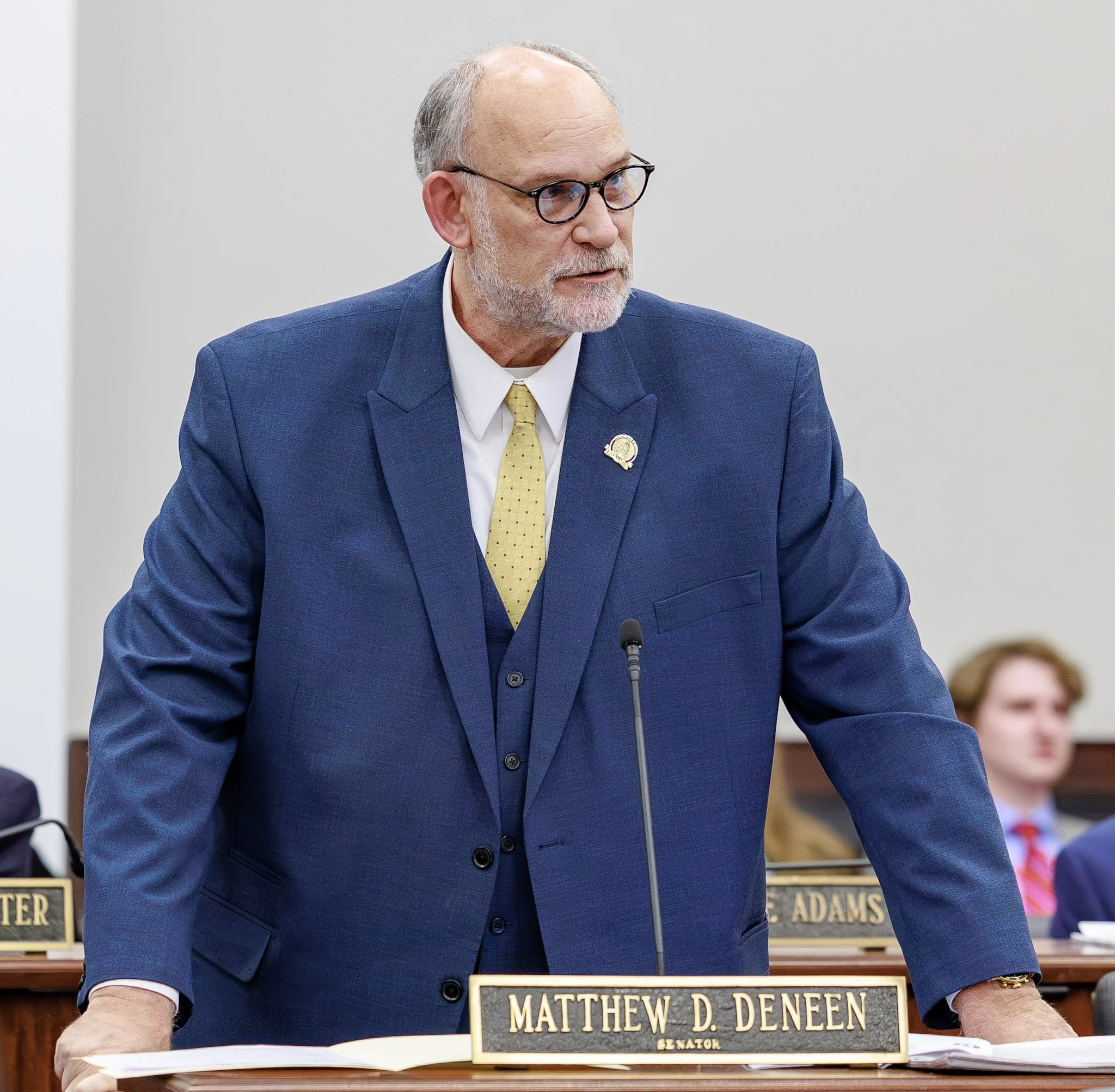
FRANKFORT, KY. (March 24, 2026)— The Senate concurred on changes from the House on Senate Bill (SB) 46 today. Sen. Matt Deneen, R-Elizabethtown, who represents Kentucky’s 10th Senate District and is chair of the Senate Veterans, Military Affairs and Public Protection Committee, gained Senate concurrence on the bill. 

SB 46 provides Kentucky school districts with additional transportation options by allowing the use of passenger vans designed to carry up to 10 people, including the driver, for regular school routes. When these vehicles are used to transport students, the bill requires driver qualifications, training and drug testing. 

For drivers transporting students to and from school activities, they are required to submit to drug testing. Additional qualifications and training requirements for drivers may be established by the school board. 

“As a former school administrator, I know how a commonsense measure like this can alleviate stress and pressure where none should exist in the first place,” Deneen stated. “This ensures our kids are travelling safely when they leave school for those important extracurricular activities. This is also a cost saving measure, saving thousands of dollars in transportation costs that could be put to better use in the classroom.”

The committee substitute clarified training requirements for those driving the vans to and from after-school activities and those driving them on regular or traditional bus routes between home and school.

"SB 46 strikes the right balance between safety and flexibility, allowing schools to better meet transportation needs while ensuring every driver is properly trained, qualified, and tested. I’m glad to see the changes we made to provide more flexibility in using vans in 2024 expanded because they proved successful for districts, said Rep. Emily Callaway, R-Louisville. “Senator Deneen has gone above and beyond to work with stakeholders and I appreciate his efforts to get this update through the legislature.”

This bill enhances flexibility and would also allow students to attend more school activities, thus easing transportation experiences for parents, coaches and teachers.

Drivers using a non-school bus without a school bus commercial license, they must undergo a background check every year to prioritize risk-management measures. These new changes give specific authority to the Kentucky Department of Education to set standards for non-school bus drivers while also establishing credentials for superintendents.

SB 46 will now be sent to the governor’s office for signature.  

You can track SB 46 and other legislation sponsored by Deneen on the official Legislative Research Commission website here.

MEREDITH SAFE ROOM REBATE BILL CLEARS GENERAL ASSEMBLY

MEREDITH SAFE ROOM REBATE BILL CLEARS GENERAL ASSEMBLY

SB 11 establishing a residential storm shelter rebate program heads to governor for final consideration

FRANKFORT, Ky. (March 23, 2026)—Legislation sponsored by Sen. Stephen Meredith, R-Leitchfield, to help expand access to storm-safe shelters across Kentucky has cleared the General Assembly and is now headed to the governor’s desk for final consideration.

Senate Bill (SB) 11 establishes a residential safe room rebate program to help homeowners offset the cost of constructing or installing storm shelters that meet national safety standards and are made available to others in their community during severe weather emergencies.

Under the proposal, eligible homeowners may receive a rebate covering 50 percent of construction or installation costs, up to $5,000, for safe rooms that meet guidelines established by the Federal Emergency Management Agency and the International Code Council.

Meredith said the legislation aims to encourage preparedness and improve access to reliable shelter, particularly in rural areas where residents may live far from centralized community storm shelters.

“Severe weather has become a growing threat across Kentucky, and we have a responsibility to help communities prepare before disaster strikes,” said Meredith. “Senate Bill 11 gives homeowners an opportunity to invest in lifesaving protection while also making that shelter available to neighbors when it matters most. By encouraging preparedness and strengthening access to safe shelter, this legislation helps protect Kentucky families and build more resilient communities.”

The program would be administered by the Kentucky Division of Emergency Management and includes an application process, verification of safety standards, and a public listing of available residential safe rooms that can be used during weather emergencies.

Rep. Rebecca Raymer, R-Morgantown, who carried the bill in the House, said the legislation reflects a proactive approach to protecting Kentucky families.

“We’ve all seen how quickly severe weather can turn dangerous. Senate Bill 11 takes a proactive step to protect Kentuckians by increasing access to safe, reliable shelter and encouraging preparedness before the next storm arrives,” Raymer said. “I want to recognize Morgantown Mayor Billy Phelps for all of his work to bring this opportunity to our attention and appreciate Senator Meredith’s efforts to help families invest in safety while building a stronger, more resilient Kentucky.”

The legislation now awaits final consideration by the governor.


Learn more about bills, committees, and other important updates on the 2026 Regular Session at www.kylegislature.gov.

SENATE MAJORITY CAUCUS CORRECTS MISINFORMATION REGARDING SENATE BILL 4 Kentucky Education Association provides half-truths and misinformation to its members

SENATE MAJORITY CAUCUS CORRECTS 

MISINFORMATION REGARDING SENATE BILL 4

Kentucky Education Association provides half-truths 

and misinformation to its members

FRANKFORT, Ky. (March 20, 2026)—The following is a response from a Kentucky Senate Majority Caucus spokesperson following an erroneous Kentucky Education Association (KEA) social media post about Senate Bill 4, currently being heard on the Kentucky House floor.


KEA's recent posts on Senate Bill 4 leave out important facts and give the public a distorted picture of what the bill actually does.

First, Senate Bill 4 did not begin as a school board restructuring bill. It left the Senate as a school leadership measure focused on principal development. The board-related language was added later in the House committee substitute. That context matters because that fact makes it clear this bill was not introduced as a sweeping governance overhaul, but evolved during the legislative process.

Second, KEA’s claim that the bill would “shift boards from elected to appointed positions” is misleading. Under the current House committee substitute, a “large school district” is defined as one with a population of 300,000 or more. In those districts, the bill creates a board structure with five elected members from those school district divisions as outlined in statute, and two at-large members appointed by the State Treasurer. That is not the same as replacing elected school boards with appointed boards. Elected members would still make up the majority. At no point does the bill eliminate elections or place control of a school board entirely in the hands of appointed officials.

Third, this is not a sweeping statewide change to every school district in Kentucky. The House committee substitute applies its “large school district” board provisions only to districts above the 300,000-population threshold, and it specifically creates election divisions currently for the Jefferson and Fayette County school boards.

Fourth, KEA overstates the provision related to school district employees’ service as school board members. The current House version makes a person ineligible to serve on a board of education if he or she is a board of education employee in the commonwealth whose position requires more than 100 days of work per year. Committee testimony made clear this provision is tied to cross-district employment and potential conflicts of interest. This is far different from behaving in good faith and honestly telling the public the bill broadly “bans public school educators” while also implying that all elected boards are being wiped away.

Notably, even those who raised concerns during committee testimony, including current and former education leaders, did not describe the bill in the sweeping terms KEA is using. Instead, they acknowledged the proposal contains substantive ideas while calling for refinement, a far more measured assessment than what is now being circulated publicly.

Kentuckians deserve a real explanation, not scare tactics, and the KEA should issue a correction. As the bill now stands, Senate Bill 4 does not abolish elected school boards, does not convert school boards across Kentucky into appointed bodies and does not remove voters from the process altogether. In large school districts, it creates a hybrid board with five elected members and two appointed members, while also tightening eligibility rules for board service. That is a targeted governance change, not a wholesale restructuring.

KEA can make its claims about what is good policy, but that debate should be based on what the bill actually says, not on rhetoric designed to inflame educators and parents with an incomplete and exaggerated description. Kentuckians should expect accuracy in public discourse, especially on issues impacting their local schools.

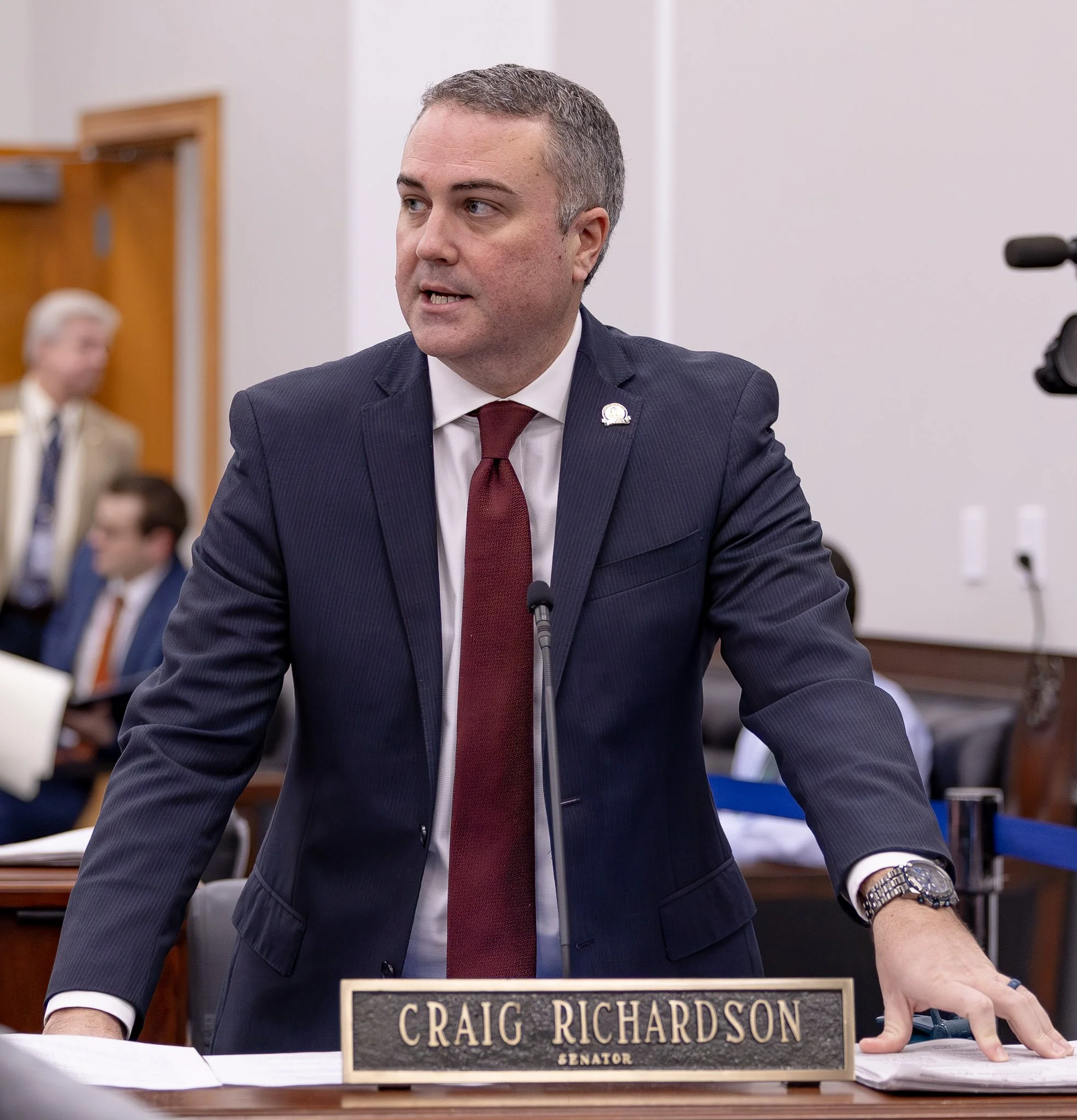
RICHARDSON’S SB 195 PASSES SENATE, ADVANCING TARGETED CIVIL LIABILITY REFORMS

RICHARDSON’S SB 195 PASSES SENATE, ADVANCING TARGETED CIVIL LIABILITY REFORMS

FRANKFORT, Ky. (Mar. 19, 2026) — The Kentucky Senate has passed Senate Bill 195, legislation sponsored by Sen. Craig Richardson, R-Hopkinsville, to update Kentucky law governing civil liability in roadway construction and maintenance projects.


The legislation establishes clear standards for when contractors may be held liable for claims related to public infrastructure projects and creates legal clarity for both contractors and government entities.

Under SB 195, when a state or local government accepts a completed project, a rebuttable presumption is created that the contractor met the required plans and specifications and fulfilled its contractual responsibilities.

The bill also provides that contractors are not liable for damages unless it can be shown that a failure to follow specifications or a hidden defect in their work was a substantial factor in causing injury, damage or death.

Additionally, SB 195 establishes a rebuttable presumption in certain civil cases involving roadway incidents. If a driver is impaired or traveling 25 miles per hour or more over the speed limit, that conduct may be presumed to be a substantial factor in causing the harm.

The legislation further clarifies that contractors are not responsible for design decisions or engineering judgments made by government entities, unless the contractor specifically assumed those responsibilities.

“This legislation brings clarity and fairness to Kentucky’s civil liability system,” Richardson said. “It ensures contractors who follow the rules are protected, while still holding bad actors accountable when negligence occurs.”

Richardson said the bill helps create a more predictable legal environment that supports infrastructure development while maintaining protections for the public.

“Clear standards benefit everyone,” Richardson said. “This bill helps ensure projects can move forward efficiently while preserving accountability and protecting taxpayer interests.”

Senate Bill 195 now heads to the Kentucky House of Representatives for consideration.

HOWELL’S SENATE BILL 199 DELIVERED TO THE GOVERNOR

HOWELL’S SENATE BILL 199 

DELIVERED TO THE GOVERNOR

Consumer protections and alignment with federal law

FRANKFORT, Ky. (March 18, 2026) — Senate Bill (SB) 199, proposed by Sen. Jason Howell, R-Murray and chair of the Senate Agriculture Committee, achieved final passage through the Kentucky House of Representatives Tuesday. The goal of this bill is to ensure Kentucky’s pesticide labeling standards mirror the national Environmental Protection Agency (EPA) guidelines.

“SB 199 aligns Kentucky law with federal standards, providing a consistent framework that protects farmers, safeguards consumers and ensures continued access to the tools and products that Kentucky agriculture depends on,” said Rep. Ryan Bivens, R-Hodgenville, who carried SB 199 on the House floor. “This is about making sure everyone, from family farmers to large-scale producers, has clear, reliable information about the products they use every day.”

The federal EPA establishes pesticide regulation and approves the content of all warning labels. Under SB 199, a pesticide label approved by the EPA is deemed sufficient under Kentucky law for duty-to-warn claims. The bill sustains consistency and provides protection for farmers against increased prices and lawsuit risks.

A floor amendment stipulated that pesticides with EPA-approved labels, including agricultural use requirements labels, serve as sufficient warnings for residential or production agricultural purposes.

The agricultural use requirements outline federal worker protection standards, including requirements like users are to wear personal protective equipment and provide additional restrictions. With this update, this language now applies to a smaller number of products that carry both labels and points to the user's responsibility for safe use.

This bill strikes a fair balance between protecting Kentucky production agriculture while preserving all possible consumer protections," Howell said. “This measure will enhance consistency between state and federal law, while also preserving consumer protections.”  

Moreover, Howell stated this legislation would essentially enforce accountability and liability methods when safety warnings lack accuracy, thereby efficiently directing agricultural and business operations. 

The bill has been sent to the governor for signature who can sign it into law, allow it to become law without his signature or veto the bill. With the supermajorities in both chambers, the General Assembly can swiftly override any veto.

For the complete bill language, including the floor amendments placed on the bill, go to SB 199 here.

SENATE APPROVES DISCIPLINED, BALANCED STATE BUDGET PROPOSAL

SENATE APPROVES DISCIPLINED,

BALANCED STATE BUDGET PROPOSAL

Conference committee likely to be formed to determine final budget decisions

FRANKFORT, Ky. (March 18, 2026)— The Senate has returned an amended version of House Bill (HB) 500, the commonwealth’s two-year executive branch budget plan, to the state House of Representatives for consideration. The bill was approved unanimously by the full members, both Democratic and Republican.

The budget bill with Senate revisions is balanced and forward-looking, and puts Kentucky taxpayers first. 

It maintains structural integrity without relying on one-time dollars for recurring expenses, preserves strong reserve levels while enabling strategic one-time investments through House Bill 900, and prioritizes reducing long-term liabilities alongside funding essential government services.

The proposal largely aligns with the House framework while sustaining key investments in education, including SEEK funding, school safety, student support services and workforce initiatives, and maintaining core commitments to Medicaid, behavioral health and vulnerable populations. It fully funds pension and health obligations, supports state employees and public safety personnel, and continues investments in infrastructure, higher education and facility maintenance.

The Senate plan also includes targeted enhancements such as additional support for postsecondary performance funding, school innovation and construction, Medicaid cost containment and provider reimbursement improvements, pension liability reduction, a one-time retiree payment, and increased support for public safety, local governments and corrections. Further investments advance energy development, disaster response capacity, technology modernization and cybersecurity, while strengthening oversight, budget flexibility and fiscal discipline, maintaining significant reserves and a low debt ratio to ensure long-term financial stability.

Click here to access a detailed news release from the Senate Majority Caucus earlier today, following unanimous Senate Appropriations and Revenue Committee approval of the measure.

"The Senate’s budget proposal reflects a disciplined approach to governing," said Senate budget chair Chris McDaniel, R-Ryland Heights. "We fully fund our obligations, protect critical services and make targeted investments while maintaining a structurally balanced budget. We are reducing long-term liabilities, preserving strong reserves and ensuring taxpayer dollars are used responsibly—not just for today, but to secure the commonwealth’s financial future.”

The Senate also approved HBs 503, 504, and 900, measures supporting operations of the legislative and judicial branches of government, as well as identifying $810 million in funds from the state's budget reserve trust fund to be utilized for one-time transformative funding or projects across the commonwealth. 

Because the Senate adopted changes, these bills will now return to the House for further consideration. Lawmakers from both chambers will continue working together in the coming days to finalize a two-year budget that meets the needs of Kentuckians while protecting the commonwealth’s long-term financial health.

HOWELL’S SENATE BILL 199 ALIGNS KENTUCKY CONSUMER PROTECTION LAW WITH FEDERAL GUIDELINES

HOWELL’S SENATE BILL 199 

ALIGNS KENTUCKY CONSUMER PROTECTION LAW 

WITH FEDERAL GUIDELINES

CORRECTION:  SENATE BILL 199 IS TO BE CONSIDERED ON CONCURRENCE THURSDAY, MARCH 19.  

FRANKFORT, Ky. (March 18, 2026) — Senate Bill (SB) 199, proposed by Sen. Jason Howell, R-Murray and chair of the Senate Agriculture Committee, achieved passage through the Kentucky House of Representatives Tuesday. The goal of SB 199 is to ensure Kentucky’s pesticide labeling standards mirror the national Environmental Protection Agency (EPA) guidelines.

“SB 199 aligns Kentucky law with federal standards, providing a consistent framework that protects farmers, safeguards consumers and ensures continued access to the tools and products that Kentucky agriculture depends on,” said Rep. Ryan Bivens, R-Hodgenville, who carried SB 199 on the House floor. “This is about making sure everyone, from family farmers to large-scale producers, has clear, reliable information about the products they use every day.”

The federal EPA establishes pesticide regulations and approves the content of all warning labels. Under SB 199, a pesticide label approved by the EPA is deemed sufficient under Kentucky law for duty-to-warn claims. The bill sustains consistency and provides protection for farmers against increased prices and lawsuit risks.

A floor amendment stipulated that pesticides with EPA-approved labels, including agricultural use requirements labels, serve as sufficient warnings for residential or production agricultural purposes.

The agricultural use requirements outline federal worker protection standards, including requirements like users are to wear personal protective equipment and provide additional restrictions. With this update, this language now applies to a smaller number of products that carry both labels and points to the user's responsibility for safe use.

This bill strikes a fair balance between protecting Kentucky production agriculture while preserving all possible consumer protections," Howell said. “This measure will enhance consistency between state and federal law, while also preserving consumer protections.” 

Moreover, Howell stated this legislation would essentially enforce accountability and liability methods when safety warnings lack accuracy, thereby efficiently directing agricultural and business operations. 

Upon the Senate concurring with the House changes, the bill will be sent to the governor for signature. The governor can sign it into law, allow it to become law without his signature or veto the bill. With the supermajorities in both chambers, the General Assembly can swiftly override any veto.

For the complete bill language, including the floor amendments placed on the bill, go to SB 199 here.

SENATE APPROVES “WYNTER’S LAW” TO STRENGTHEN KENTUCKY AMBER ALERT SYSTEM

SENATE APPROVES “WYNTER’S LAW” TO STRENGTHEN KENTUCKY AMBER ALERT SYSTEM 

Sen. Brandon Storm legislation to clarify activation standards and improve coordination in missing child cases

FRANKFORT, KY. (March 17, 2026) — The Kentucky Senate has approved Senate Bill (SB) 289, legislation sponsored by Sen. Brandon Storm, R-London, aimed at strengthening Kentucky’s Amber Alert system and improving coordination when a child is abducted or reported missing and endangered.


SB 289, titled Wynter’s Law, updates Kentucky statute governing the Amber Alert system to clarify activation standards and strengthen coordination among law enforcement agencies, state partners, and media providers when time is critical.

The legislation was filed following concerns raised by a recent missing child case in Kentucky that highlighted potential gaps in the existing alert framework. The measure seeks to ensure law enforcement has clearer authority and stronger coordination tools to notify the public quickly when a missing child may be in danger and public awareness could assist in their safe recovery.

The bill modernizes language in state law, reinforces that the Kentucky State Police have sole authority to activate the Amber Alert system, and provides clearer guidance on when alerts may be issued, including situations involving children in state custody, juvenile justice placements, or other cases where rapid public notification could help locate a missing child.

“As lawmakers, one of our most basic responsibilities is making sure our laws give law enforcement the tools they need to protect children,” Storm said. “Wynter’s Law strengthens Kentucky’s Amber Alert system so that when a child goes missing, agencies can act quickly, coordinate effectively, and get critical information to the public without delay. When a child’s safety is on the line, every second matters.”

Kentucky’s Amber Alert system relies on multiple communication channels to notify the public, including highway message boards, emergency broadcast systems, law enforcement networks, and local, regional, and statewide media outlets.

SB 289 now heads to the House of Representatives for consideration.

Learn more about bills, committees, and other important updates on the 2026 Regular Session at www.kylegislature.gov

SENATE PASSES WHEELER BILL TO ESTABLISH PROCESS FOR WORKFORCE PELL TRAINING PROGRAMS

SENATE PASSES WHEELER BILL TO ESTABLISH PROCESS FOR WORKFORCE PELL TRAINING PROGRAMS

FRANKFORT, KY. (March 17, 2026)—Senate Bill (SB) 249, sponsored by Sen. Phillip Wheeler, R-Pikeville, has passed the Kentucky State Senate. The bill will create a state process to approve workforce training programs for eligible federal Workforce Pell Grants.

“Just as Pell Grants help students pursue higher education, Workforce Pell Grants will help working Kentuckians gain the skills they need to succeed in today’s economy,” Wheeler said.

The bill directs the governor, in consultation with the Kentucky Workforce Innovation Board, to approve qualifying workforce training programs and coordinate them with other workforce programs to avoid duplicate funding for the same student costs. 

SB 249 also requires the Workforce Innovation Board to create a procedure to ensure that programs meet federal eligibility requirements for Workforce Pell Grants. 

Wheeler said the measure helps ensure Kentucky has a clear and coordinated process in place as new federal workforce training opportunities become available. 


“Workforce Pell Grants create new opportunities for students to gain valuable training and skills,” Wheeler said. “Senate Bill 249 helps ensure Kentucky has a clear process to approve these programs, coordinate them with existing workforce initiatives, and that they meet federal requirements so students can take full advantage of these opportunities.” 

The bill contains an emergency clause, allowing the changes to take effect immediately upon enactment.

SB 249 now heads to the Kentucky House of Representatives for consideration.

Learn more about bills, committees, and other important updates on the 2026 Regular Session at www.kylegislature.gov

WEST BILL BUILDS ON SCHOOL INNOVATION ACT TO EXPAND FLEXIBILITY FOR KENTUCKY SCHOOLS

WEST BILL BUILDS ON SCHOOL INNOVATION ACT

 TO EXPAND FLEXIBILITY FOR KENTUCKY SCHOOLS

Measure refines waiver process and launches pilot program for innovative school models

FRANKFORT, Ky. (March 17, 2026) — The Senate has passed Senate Bill (SB) 263 sponsored by Sen. Steve West, R-Paris, who serves as the chair of the Senate Education Committee. The measure enhances the state’s Schools of Innovation program, which gives local districts greater ability to improve student achievement by piloting innovative instructional methods and increasing local flexibility in designing school instruction. At the same time, it gives local schools greater authority to implement reforms.

SB 263 continues the work of SB 207, the Schools of Innovation law, which was passed in the 2025 Legislative Session. Under the law, public schools in Kentucky may apply for waivers from specific state statutes and administrative regulations to test new instructional approaches within the public school system.

SB 263 makes some reforms to the original law, including changes to the waiver process and greater flexibility for schools and districts to apply for waivers. It requires the Kentucky Department of Education (KDE) to assist districts with waiver applications and act on requests within 30 days. The bill also clarifies districts will not face penalties for actions previously approved by KDE under an innovation plan.

The proposal includes a pilot project that will consist of at least three unique schools statewide and must operate under certain conditions. Participating schools may not operate as virtual programs. Applications must propose a significant innovative educational opportunity to improve student outcomes and must identify matching funds from district revenues, philanthropic contributions or other dedicated sources to support the school through the duration of the pilot program.

“Last year, we made it possible for schools to try out innovative ideas while still maintaining key standards and oversight,” West said. “Senate Bill 263 makes it easier by streamlining and clarifying the process so more districts have an efficient and practical way to pursue new approaches and address student achievement challenges.”

The bill establishes an innovation pilot project fund within KDE. Participating schools also could use district money, private donations and other funds. Under the measure, participating school districts would also have to report to the Legislative Research Commission so lawmakers can gauge whether the program is making a difference and whether further changes are needed. The report must include a description of the school district’s innovative activities, partners, services and academic programs provided, general accounting and more. 

West says the legislation acknowledges that the General Assembly's focus remains on providing local educators with the proper tools to address classroom challenges while maintaining sufficient control and public accountability.

“Education policy should give schools the tools they need to adapt and improve,” West said. “By building on the foundation we set last year, this legislation refines the process and gives schools more room to pursue solutions that work best for the students they serve.”

SB 263 now moves to the House of Representatives for consideration.