GIVENS BILL ESTABLISHING MEDICAID STATE HEALTH PLAN REVIEW PASSES GENERAL ASSEMBLY

GIVENS BILL ESTABLISHING MEDICAID STATE HEALTH PLAN REVIEW PASSES GENERAL ASSEMBLY

Measure establishes formal oversight process for amendments submitted to federal regulators

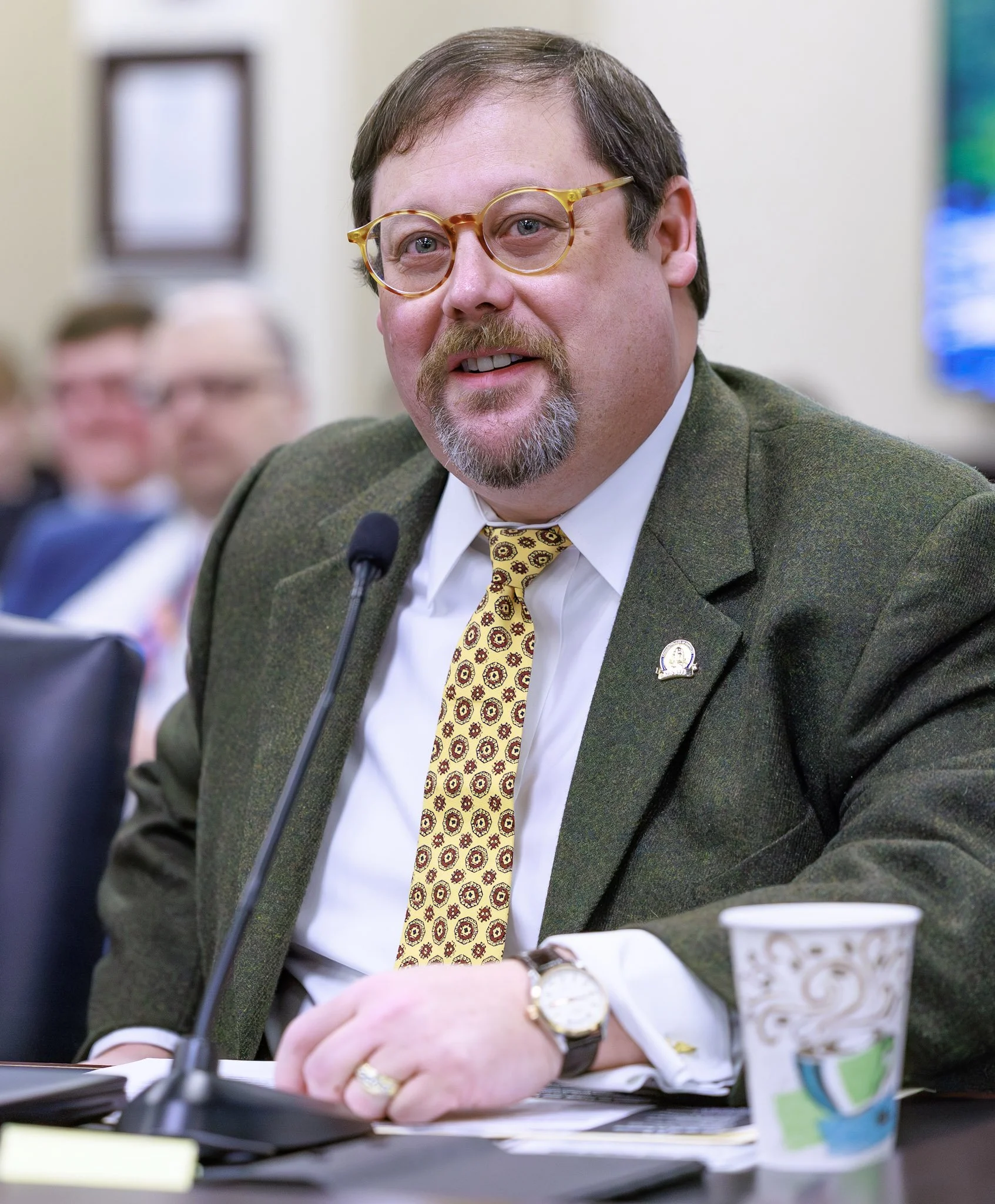
FRANKFORT, KY. (April 1, 2026)—A measure sponsored by Sen. David Givens, R-Greensburg, to establish legislative review of changes to Kentucky’s state health plan has passed the General Assembly and now heads to the governor.

Senate Bill (SB) 173 creates a formal process for lawmakers to review amendments to the state health plan submitted to the federal Centers for Medicare and Medicaid Services (CMS). Under the bill, the General Assembly may examine those amendments and determine whether specific components should be deemed deficient, using a process similar to Kentucky’s existing administrative regulation review framework.

Givens said the bill reflects the General Assembly’s constitutional role as the policymaking branch of government and ensures lawmakers remain engaged in major health policy decisions that carry significant fiscal and long-term implications.

“Decisions tied to the state health plan affect Medicaid policy, access to care and the long-term fiscal outlook for the commonwealth,” Givens said. “SB 173 creates a thoughtful and transparent process that allows policymakers to review significant amendments and ensure they align with the policy direction set by the General Assembly.”

The legislation establishes a structured mechanism for legislative review while maintaining the executive branch’s responsibility for administering Kentucky’s Medicaid program and related health initiatives.

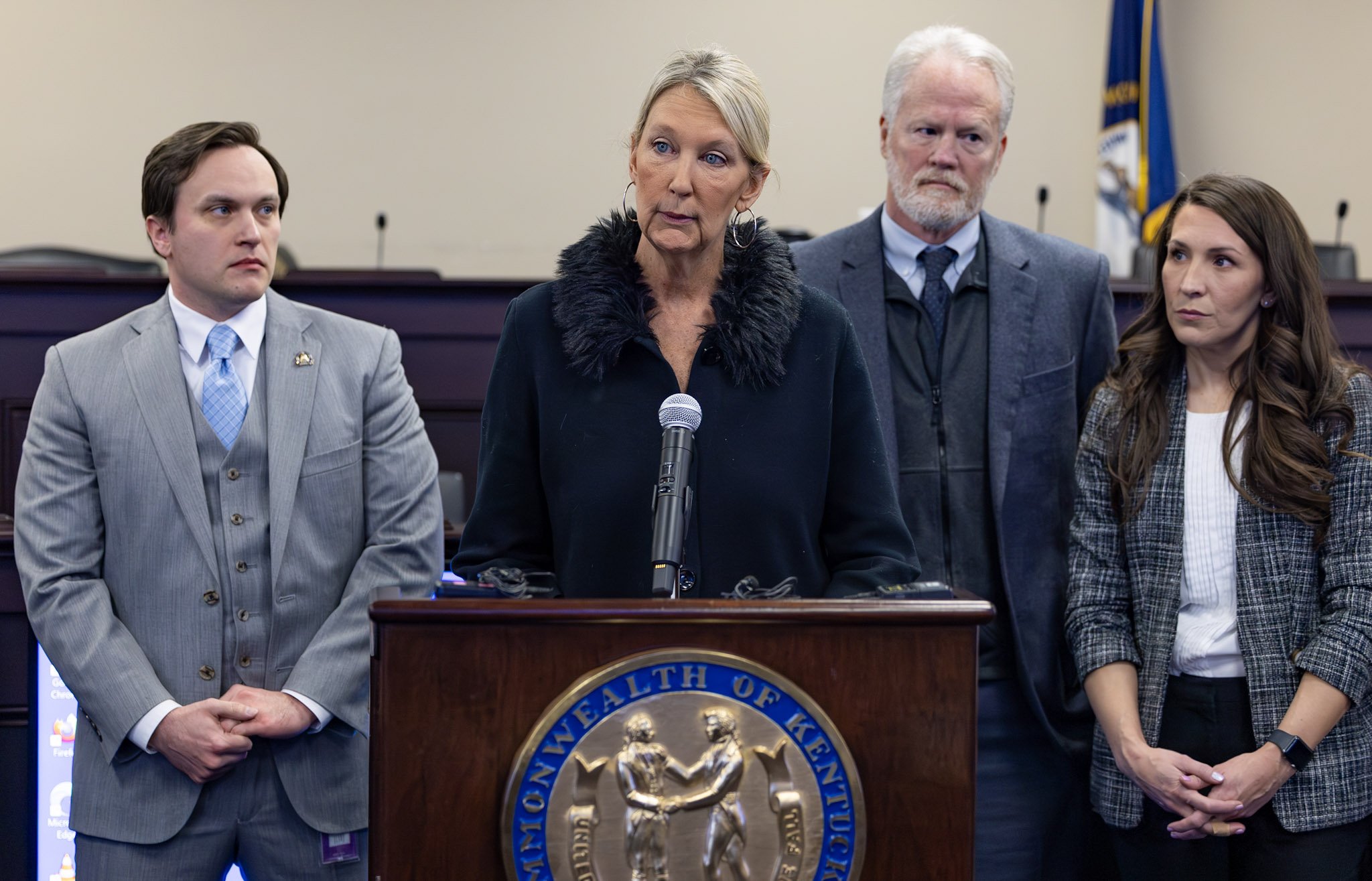
Rep. Kim Moser, R-Taylor Mill, chair of the House Health Services Committee and the House floor presenter for the bill, said the measure provides lawmakers with an important tool to better understand and evaluate major health policy changes.

“This legislation strengthens transparency and accountability by giving the General Assembly a clear process to review changes to the state health plan and ensure they serve the best interests of Kentuckians,” she said. “I appreciate Senator Givens for his thoughtful leadership in advancing a measure that promotes oversight while respecting the proper role of the legislature.”

SB 173 now awaits action from the governor.

Learn more about bills, committees, and other important updates on the 2026 Regular Session at www.kylegislature.gov

LEGISLATURE ADVANCES TRANSFORMATIONAL INVESTMENT IN KENTUCKY’S FUTURE THROUGH HB 900

LEGISLATURE ADVANCES TRANSFORMATION-AL INVESTMENT IN KENTUCKY’S FUTURE THROUGH HB 900

FRANKFORT, KY (April 1, 2026) — Senate Budget Chair Chris McDaniel, R-Ryland Heights, presented the Free Conference Committee Report on House Bill 900 in the Senate on Wednesday, a comprehensive measure appropriating funds from Kentucky’s Budget Reserve Trust Fund to strengthen infrastructure, drive economic development and support communities across the commonwealth. The measure was given final passage in the House and Senate.

Building on prior responsible use of one-time funds, including significant past investments in infrastructure and approximately $450 million directed to the road fund in recent years (2024’s HB 1), HB 900 represents the next phase of Kentucky’s long-term fiscally disciplined strategy to make transformational investments without creating recurring obligations.

McDaniel and fellow lawmakers say putting these dollars to immediate use will create a churning effect throughout the bluegrass, ultimately generating lasting economic activity far beyond the initial investment.

“It’s amazing to hear naysayers of the budgeting philosophy and policy priorities of the Kentucky General Assembly constantly spell doom and gloom, only to be met with greater total revenues and stronger reserves,” McDaniel said. “We were told numerous times that income tax reduction would blow a hole in our state budget, yet since 2017 we’ve managed to reduce the income tax by half while simultaneously making record investments in education and pensions and creating a robust budget reserve trust fund that has created opportunity for game-changing statewide and regional investments not just once, but now twice.”

ECONOMIC DEVELOPMENT AND SITE READINESS

HB 900 makes targeted investments to enhance Kentucky’s competitiveness and attract job-creating projects:

  • $40 million in each fiscal year 2026–2028 to support mega-development economic projects and site readiness

  • $25 million in each fiscal year 2026–2028 for the Kentucky Product Development Initiative

  • $50 million in each fiscal year 2026–2028 for the Government Resources Accelerating Needed Transformation Program

  • $3 million in each fiscal year 2026–2028 to support innovation through Blue North

  • $10 million in each fiscal year 2026–2028 for the Central Kentucky Business Park regional collaboration

  • $5 million in each fiscal year to the Agriculture budget unit to support economic development initiatives within the agriculture industry

  • $2.5 million in each fiscal year 2026–2028 for the Kentucky Enterprise Fund

  • $1 million in each fiscal year 2026–2028 for space economy development initiatives

These investments position Kentucky to compete for large-scale economic opportunities while strengthening regional economies across the state.

ADDITIONAL EDUCATION SUPPORTS In addition to the $7+ billion allocated over the biennium toward education in the state.

  • $9.1 million in fiscal year 2027-2028 to the Warren County Board of Education to support the IMPACT Center for Leadership and Innovation

  • $1.5 million in fiscal year 2027-2028 through the Council on Postsecondary Education to the Lexington Fayette Urban County Government to fund scholarships through the Ed Brown Society

  • $250,000 in fiscal year 2026-27 to support a rural workforce study conducted in collaboration with the Kentucky Community and Technical College System, the Education and Labor Cabinet and other strategic partners to identify and develop strategies addressing the commonwealth’s long-term rural workforce needs

  • Numerous line items are dedicated to local schools for facilities and various projects

WATeR AND WASTEWATER INFRASTRUCTURE

HB 900 prioritizes critical water and wastewater infrastructure needs, particularly in rural communities, including $45 million in each fiscal year 2026–2028 for the Kentucky Water and Wastewater Assistance Program. Numerous other cities in counties receive support for water line extensions, sewer upgrades and system modernization projects through funding allocated through the Kentucky Infrastructure Authority (KIA).

TRANSPORTATION AND LOGISTICS

HB 900 builds on previous infrastructure investments and strengthens Kentucky’s transportation network, boosting the commonwealth's role as a hub for industry and travel:

  • $75 million in fiscal year 2026–2027 and $155 million in fiscal year 2027–2028 to the biennial road plan for construction-ready road projects

  • $7.5 million in each fiscal year 2026–2028 for the Short Line Infrastructure Preservation Pilot Project, supporting the modernization of Kentucky’s rail system

  • $15.1 million in fiscal year 2026–2027 and $14.5 million in fiscal year 2027–2028 for riverport improvements

  • $10 million in fiscal year 2026–2027 for commercial airport incentives, including airline revenue guarantees

  • $11.4 million in fiscal year 2026–2027 for general aviation airport grants

  • $5 million in fiscal year 2026–2027 for the Bluegrass Airport control tower relocation

  • $17.3 million in fiscal year 2026–2027 for airfield capacity improvements in Louisville

These investments enhance connectivity, support logistics and position Kentucky as a national leader in transportation infrastructure.

WORKFORCE EDUCATION AND INNOVATION

HB 900 invests in education, workforce development and research to support long-term economic growth:

  • $37.5 million in fiscal year 2026–2027 for university research collaboration through the Endowed Research Fund championed by Senate President Robert Stivers, R-Manchester

  • $14 million in each fiscal year 2026–2028 for community and technical education supplemental funding

  • $2.5 million in fiscal year 2026–2027 and $5 million in fiscal year 2027–2028 for schools of innovation championed by Senate Education Chair Steve West, R-Paris.

  • $8 million in fiscal year 2026–2027 for start-up costs and $42 million escrow support for an osteopathic medicine program at Eastern Kentucky University

  • $7.7 million in each fiscal year 2026–2028 for information technology upgrades at Western Kentucky University

HOUSING AND COMMUNITY DEVELOPMENT

HB 900 addresses housing supply and community infrastructure needs:

  • $5 million in each fiscal year 2026–2028 for the Residential Infrastructure Revolving Loan Fund and $2.5 million in each fiscal year 2026–2028 for the Affordable Housing Trust Fund as a result of advocacy by Senate Majority Caucus Chair Robby Mills, R-Henderson and co-chair of the legislative Housing Task Force

  • $5 million in fiscal year 2027–2028 for Community Development Financial Institutions

  • Over $1.6 millin in fiscal year 2027-2028 to the Connect Community Village to support the continued development of veteran housing

REGIONAL AND COMMUNITY INVESTMENTS

The legislation includes significant investments in communities across Kentucky:

  • $20 million in fiscal year 2026–2027 and $70 million in fiscal year 2027–2028 for downtown Louisville revitalization

  • $11 million in fiscal year 2027–2028 for the Frankfort Convention Center

  • $8 million in each fiscal year 2026–2028 for Bowling Green riverfront development

  • $10 million in each fiscal year 2026–2028 for regional business park development in Central Kentucky

  • $4 million in fiscal year 2026-27 to the KIA to support the U.S. Highway 150 corridor project to promote long-term economic growth in Lincoln, Rockcastle and Garrard Counties.

HEALTH AND RESEARCH

  • $2.5 million in each fiscal year 2026–2028 for the Kentucky BioInnovation Fund

  • $6 million in each fiscal year to the Life Learning Center to support an integrated pathway to treatment, rehabilitation and community reintegration in partnership  with a nonprofit

  • $1 million in fiscal year 2026-27 and $500,000 in fiscal year 2027-2028 to the Department for Public Health to provide funding for a Kentucky Parkinson’s Disease research registry

  • $1 million in fiscal year 2026-27 to the Attorney General’s Office to support procurement of a vendor to utilize data analytics to provide fraud and waste prevention and detection services, where information shall be utilized by the Office of Medicaid Fraud and Abuse Control for the investigation of potential fraud

  • $500,000 in each fiscal year for Down Syndrome of Louisville to support operations

  • $250,000 each fiscal year to  support the implementation of cardiopulmonary resuscitation training to students

  • Specific line-items for certain local health departments

In addition to these major investments, HB 900 includes funding for more than 100 individual projects across Kentucky, supporting local infrastructure, public safety, tourism and community development initiatives. Lawmakers say these investments will further churn dollars through local economies, amplifying the impact of this one-time funding.

A FOUNDATION BUILT ON FISCAL DISCIPLINE

Sen. Chris McDaniel emphasized that these investments are only possible because of years of responsible budgeting and conservative fiscal management.

“This level of transformational investment is only possible because of the discipline and commitment demonstrated by the supermajorities in the Kentucky General Assembly. By making responsible decisions year after year, we have put Kentucky in a position to make strategic one-time investments that will strengthen our infrastructure, grow our economy and benefit communities across the commonwealth for generations.”

ELKINS' BILL MODERNIZING COUNTY TREASURER LAW PASSES GENERAL ASSEMBLY

ELKINS' BILL MODERNIZING COUNTY TREASURER LAW PASSES GENERAL ASSEMBLY

FRANKFORT, Ky. (April 1, 2026) — Legislation sponsored by Sen. Greg Elkins, R-Winchester, updating Kentucky law governing county treasurers has passed the Kentucky General Assembly and now heads to the Governor's Desk.

Senate Bill 149 modernizes statutes related to the appointment and service of county treasurers while providing counties with clearer procedures for filling vacancies and maintaining continuity in financial oversight.

“County governments depend on strong financial management,” Elkins said. “This legislation clarifies existing law and ensures counties have the flexibility and tools they need to maintain responsible oversight of public funds.”

The legislation updates state law to align with current practices for appointing county treasurers and clarifies the process for appointing an acting treasurer if the position becomes vacant or if the treasurer is temporarily unable to perform the duties of the office.

SB 149 also confirms that fiscal courts may appoint a deputy county treasurer to assist with the responsibilities of the office and maintain continuity of operations when needed.

Elkins said the bill reflects a common-sense effort to ensure county governments have clear statutory guidance when managing key financial positions.

“This is about clarity and stability for local government,” Elkins said. “When counties are handling taxpayer dollars, they need clear processes in place to make sure operations continue smoothly.”

Senate Bill 149 now moves to the House of Representatives for further consideration.

MILLS’ SB 100 PASSES GENERAL ASSEMBLY, HEADS TO GOVERNOR TO STRENGTHEN KENTUCKY ENERGY PLANNING

MILLS’ SB 100 PASSES GENERAL ASSEMBLY, HEADS TO GOVERNOR TO STRENGTHEN KENTUCKY ENERGY PLANNING

FRANKFORT, Ky. (April 1, 2026) — The Kentucky General Assembly has given final passage to Senate Bill 100, legislation sponsored by Sen. Robby Mills, R-Henderson, to strengthen Kentucky’s long-term energy planning efforts and ensure state leaders have the information necessary to maintain reliable and affordable electricity for the commonwealth. The measure now heads to the governor for consideration.

The legislation updates the structure and operations of the Energy Planning and Inventory Commission (EPIC), aiming to revitalize the commission’s original mission of evaluating Kentucky’s energy resources and developing a long-term strategy for meeting future demand.

“Reliable energy is essential to Kentucky’s economy and quality of life,” Mills said. “Senate Bill 100 helps ensure the Legislature has the data, expertise and long-term planning tools needed to make sound energy policy decisions that protect ratepayers and support economic growth.”

Mills said the commission’s statewide planning role has faced challenges in recent years due to delays in appointments, bureaucratic hurdles and limited engagement from industry stakeholders. Senate Bill 100 is designed to strengthen the commission’s ability to carry out its mission and provide the Legislature with independent analysis of Kentucky’s energy needs.

Under the bill, EPIC will operate with a stronger executive leadership structure, making the organization more executive-director-driven, with the commission board and executive committee serving in advisory roles. The legislation also reinforces the commission’s independence so it can produce objective analysis and recommendations for lawmakers while remaining administratively attached to the University of Kentucky for support services.

Senate Bill 100 also makes several operational updates, including adjustments to the structure of the commission’s executive committee, the maintenance of Senate confirmation authority for key appointments and greater flexibility for the commission to recruit specialized energy professionals to conduct technical studies.

The bill also clarifies that certain commission work products may be exempt from public disclosure due to the sensitive nature of energy planning information.

Mills said the legislation is intended to help Kentucky develop a long-term energy strategy that ensures reliability while supporting economic development.

“The goal is to ensure Kentucky has a strong, independent energy planning process that lawmakers can rely on as we prepare for future growth and rising electricity demand,” Mills said. “This bill helps position Kentucky to remain a leader in energy production while protecting the interests of our citizens and ratepayers.”

DOUGLAS’ SB 77 ESTABLISHING IBOGAINE RESEARCH FRAMEWORK PASSES GENERAL ASSEMBLY, HEADS TO GOVERNOR’S DESK

DOUGLAS’ SB 77 ESTABLISHING IBOGAINE RESEARCH FRAMEWORK PASSES GENERAL ASSEMBLY, HEADS TO GOVERNOR’S DESK

FRANKFORT, Ky. (April 1, 2026) — The Kentucky General Assembly has passed Senate Bill 77, legislation sponsored by Sen. Donald Douglas, R-Nicholasville, to establish a research framework for ibogaine-based treatments. The measure now heads to the governor’s desk for consideration.

Senate Bill 77 creates a structured pathway for Kentucky to explore the clinical potential of ibogaine in treating opioid use disorder and other substance use disorders, with future applications for conditions such as post-traumatic stress disorder, traumatic brain injury and additional neurological or mental health challenges.

The legislation allows the commonwealth to partner with qualified drug developers conducting FDA-approved clinical trials, while establishing clear standards for patient safety, transparency and regulatory oversight.

“This legislation takes a responsible, science-driven approach to exploring new treatment options for addiction and mental health challenges,” Douglas said. “We’re creating a framework that prioritizes patient safety while allowing Kentucky to be part of cutting-edge medical research that could save lives.”

Douglas said the bill reflects the need to pursue innovative solutions as communities continue to grapple with the impact of addiction.

“Kentucky families know the toll addiction takes, and we cannot afford to ignore emerging therapies that show real promise,” Douglas said. “This framework ensures we can study these treatments carefully, responsibly and with the highest standards in place.”

Senate Bill 77 now heads to the governor’s desk for his signature.

GENERAL ASSEMBLY APPROVES ADDITIONAL BUDGET-RELATED MEASURES, SENDS TO GOVERNOR FOR CONSIDERATION

GENERAL ASSEMBLY APPROVES ADDITIONAL BUDGET-RELATED MEASURES, SENDS TO GOVERNOR FOR CONSIDERATION

FRANKFORT, Ky. (April 1, 2026)—During a busy day 57 of the 2026 Legislative Session, along with final legislative approval of the two-year state executive branch budget and biennial road plan, lawmakers also approved additional budget related measures, including the state revenue budget, House Bill (HB) 757, and the legislative branch (HB 503) and judicial branch (HB 504) budgets. The measures were carried in the Senate by Senate Budget chair Chris McDaniel, R-Ryland Heights.

REVENUE BILL

Honoring U.S. Senator Mitch McConnell

A provision of HB 757 authorizes the placement of a privately funded statute in the State Capitol Building honoring Mitch McConnell in recognition of his consequential and unprecedented longstanding service to Kentucky, the United States and his historic leadership at the national level.

Modernizes Kentucky’s tax system and reporting rules

  • Removes outdated rules, like the 200-transaction threshold for sales tax collection

  • Allows taxpayers to fix estimated tax payment mistakes without filing a new return

  • Updates reporting requirements for major entities, such as the Tennessee Valley Authority.

  • Maintains sales tax exemptions for religious institutions, provided they are not directly competing with private businesses

Decouples Kentucky from federal tax changes, with one exception

  • Kentucky will no longer automatically follow certain updates to federal tax law, allowing state leaders to keep Kentucky’s tax rules stable and predictable.

  • The one exception is for new federal child savings accounts, commonly called “Trump Accounts,” which are a type of Individual Retirement Account (IRA) designed for kids.

  • An IRA is a special savings account that helps people set aside money over time, often with tax benefits.

  • Under this federal program, parents can save up to $5,000 per year for a child under 18.

  • The federal government also contributes $1,000 for children born between 2025 and 2028.

  • By staying connected to these accounts, Kentucky families can still take advantage of this new savings opportunity while the state maintains control over its broader tax system.

  • Kentucky does not adopt certain new federal tax exemptions, including those related to tips, overtime pay, and vehicle interest deductions

Creates new taxes and closes gaps in existing ones

  • Establishes a tax on fantasy sports operators and limits participation to those 21 and older (starting 2027)

  • Applies sales tax to data broker services and payphone transactions

  • Creates a 14.25 percent tax on prediction market platforms, while clarifying treatment to avoid conflicts with federal law

  • Caps taxes on premium cigars at 6 percent of the distributor’s price

Phases out or ends outdated tax breaks

  • Ends state participation in certain Tax Increment Financing (TIF) programs over time, while permanently stabilizing existing projects by adjusting the revenue formula tied to income tax changes

  • Eliminates tax credits that saw little use, like:

  • Hiring unemployed workers

  • GED completion incentives

  • Ends certain energy-related tax exemptions, including for fluidized bed energy facilities

  • Sunsets the film sales tax refund program in 2030

Supports housing and redevelopment projects

  • Sets aside 15 percent of historic tax credits for owner-occupied housing and 85 percent for other projects

  • Defines and prioritizes workforce and affordable housing in redevelopment incentives

  • Allows longer-term development agreements for certain economic projects

  • Expands support for the redevelopment of the Humana Building by advancing additional tax credit provisions to facilitate its conversion into a large-scale hotel and convention space, strengthening Kentucky's ability to compete for major national events

Supports tourism and major events

  • Creates a targeted sales tax exemption for on-site sales at Valhalla Golf Club during major golf tournaments, helping Kentucky to attract high-profile events that drive tourism and local economic activity

Adjusts local and regional tax authority

  • Allows regional industrial districts to collect occupational license taxes from workers and businesses

  • Relevant to a partnership between Madison, Fayette and Scott Counties

  • Lets cities choose which local tax rate to apply within those districts

  • Adds expiration rules and guardrails on those taxes

Improves tax fairness and compliance

  • Requires third-party buyers of delinquent property taxes to notify taxpayers every six months

  • Extends the inheritance tax filing deadline from 18 to 24 months

  • Expands early payment discounts for estates

  • Clarifies that closing costs associated with tax-exempt equipment purchases are not subject to sales tax, providing consistency and preventing unexpected costs for businesses and local governments

Updates energy, agriculture and infrastructure policy

  • Establishes governance and limitations for certain industrial gas pipeline systems, including prohibiting service to residential customers

  • Adds fluorspar to the list of taxed natural resources under severance taxes

  • Requires inspection and regulation of electric vehicle charging stations

  • Defines ethanol types and includes fuel-grade ethanol in gasoline definitions

  • Removes certain fuel tax refunds for taxi companies

Increases transparency and accountability in government

  • Requires publication of the state’s tax expenditure report

  • Requires agencies using federal funds to pay for their own audits

  • Requires KSP to charge for security at non-state events

  • Allows executive branch agencies to help fund the Personnel Board

Supports infrastructure and public programs

  • Creates a housing infrastructure loan fund through the Kentucky Infrastructure Authority

  • Establishes funding structures for out-of-home care and hospital support programs

  • Keeps funding tied to jail canteen accounts within those accounts

Makes changes to education and school tax transparency

  • Requires public notice for school tax increases, including online posting

  • Sets limits on how long certain school-related tax rates can remain in place

  • Phases out certain niche school-related taxes over time, including limits on occupational taxes after January 1, 2027, and a sunset of certain personal property taxes by 2027 or 2028

  • This provision does not relate to standard property tax revenues that support local school district funding

  • The occupational tax language pertains to Sen. Amanda Mays Bledsoe’s proposed SB 76. 

Adds consumer protections and public policy updates

  • Bans the sale of kratom products in Kentucky

  • Adds safeguards against deceptive AI-generated political ads by requiring proof of intent to mislead

  • Increases lobbyist registration fees

LEGISLATIVE BRANCH BUDGET

HB 503 provides for the operations of the legislative branch. It authorizes a 2 percent staff pay increase in both fiscal years. The final version of the bill includes funding to support a study of judicial branch compensation. 

JUDICIAL BRANCH BUDGET

HB 504 allocates almost $1 billion total over the biennium to support branch operations. $10 million total proposed by the Senate is maintained in the final version of the bill to support additional judgeships established in the 2022 Legislative Session.

Also passing was HB 816, which allows payment of unpaid claims against the state.

Find all these budget bills and more by visiting Legislature.ky.gov.

SMITH’S PUBLIC SERVICE COMMISSION REFORM BILL MAKES FINAL PASSAGE

SMITH’S PUBLIC SERVICE COMMISSION 

REFORM BILL MAKES FINAL PASSAGE

Senate priority legislation strengthens Public Service Commission bandwidth and expertise

FRANKFORT, Ky. (April 1, 2026) – Senate Natural Resources and Energy Committee Chair Sen. Brandon Smith, R-Hazard, successfully led Senate Bill (SB) 8—priority legislation to modernize the Kentucky Public Service Commission (PSC)—to final passage Wednesday. The bill now heads to the governor for consideration. The bill strengthens the state’s utility regulator.

SB 8 focuses on long-term affordability and reliability by reinforcing the PSC’s structure, bandwidth and expertise as it oversees more than 1,100 regulated utilities and the infrastructure investments that affect Kentucky families and businesses.

“Senate Bill 8 will allow our Public Service Commission to more effectively oversee the complex energy and infrastructure decisions facing Kentucky,” Smith said. “It sets a higher standard for nominees and commissioners, and additional membership will enable the commission to hear and address more cases that come before it. The entire goal of this bill is to help reduce rates that are bludgeoning families in eastern Kentucky and to take another step toward lowering costs moving forward. I am grateful to my colleagues for getting some of these reform efforts across the finish line.”

Strengthening the Public Service Commission

SB 8 expands the PSC from three members to five to improve capacity and oversight as the commission reviews rate cases, infrastructure investments and utility operations across the state.

Under the final version of the bill, all commissioners remain appointed by the governor and subject to Senate confirmation. The bill also maintains political balance by limiting the number of commissioners from the same political party.

SB affirms the PSC as an independent department of state government. The commission remains administratively attached to the Energy and Environment Cabinet only for limited support functions requested by the PSC, while maintaining full authority over its regulatory decisions, staffing and operations. 

SB 8 also allows commissioners to elect their own chair, strengthening internal accountability and governance.

Expanding expertise and strengthening governance

The legislation establishes professional qualification standards to better align the commission with the technical demands of modern utility regulation.

Two commissioners must be licensed Kentucky attorneys with at least seven years of experience. The remaining members must have education or experience in areas such as engineering, economics, accounting, finance, utility regulation, infrastructure safety, business management or environmental management. 

The bill sets four-year terms for commissioners, establishes term limits and reinforces conflict-of-interest standards to prevent ties to regulated utilities. 

SB 8 also authorizes the commission to appoint its own executive director, subject to Senate confirmation, and grants additional authority to manage staffing, compensation and internal operations. 

RICHARDSON’S SB 18 STRENGTHENING DIABETES CARE FOR CHILDREN HEADS TO GOVERNOR’S DESK

RICHARDSON’S

SB 18 STRENGTHENING DIABETES CARE FOR CHILDREN, HEADS TO GOVERNOR’S DESK

FRANKFORT, Ky. (March 31, 2026) — The Kentucky General Assembly has passed Senate Bill 18, legislation sponsored by Sen. Craig Richardson, R-Hopkinsville, to strengthen care standards for patients living with diabetes, with a particular focus on children, and the measure now heads to the governor’s desk for consideration.

Senate Bill 18 modernizes Kentucky’s podiatric care laws by updating licensing standards, supervision requirements and regulatory oversight. These improvements are especially important for diabetic patients, where early detection and proper foot care can prevent serious complications and improve long-term health outcomes.

“For families navigating a childhood diabetes diagnosis, access to high-quality, coordinated care is critical,” Richardson said. “This bill helps ensure providers are well-trained, properly regulated and equipped to deliver the care these patients need.”

Senate Bill 18 now heads to the governor’s desk for his signature.

SENATE OVERRIDES GOVERNOR'S VETO OF NUNN'S PROXY ADVISORS 2.0 BILL

SENATE OVERRIDES GOVERNOR'S VETO

OF NUNN'S PROXY ADVISORS 2.0 BILL

Senate Bill 183 expected to become law over Governor Andy Beshear's veto

FRANKFORT, Ky. (March 31, 2026) — By a commanding vote of 31-6, the Senate on Tuesday added Senate Bill (SB)183, sponsored by Sen. Matt Nunn, R-Sadieville, to the record-long list of Governor Andy Beshear vetoes that have been promptly overriden by the Kentucky General Assembly. 


SB 183 strengthens transparency and accountability standards for proxy advisory firms that influence shareholder voting decisions. On Friday, in response to the governor's veto, Nunn issued the following rebuttle to the veto message:

“Governor Beshear’s veto of Senate Bill 183 is disappointing, but not surprising. When you read his veto message, it’s clear he’s arguing against something this bill doesn’t even do.

“SB 183 is simple. It’s about transparency for proxy advisory firms that influence billions of dollars in shareholder votes, including decisions that affect Kentucky pensions and retirement savings. All it says is if you’re giving advice that moves that kind of money, folks deserve to know whether it’s based on financial facts or something else.

“Instead of addressing that, the governor leans on a dishonest hypothetical about churches and nonprofits. Let’s be clear, a church is not a proxy advisory firm, and this bill does not regulate churches. That argument is misleading, and he knows it.

“And even if you take that argument at face value, the bill already addresses it. SB 183 specifically exempts nonprofit organizations that provide advisory services and receive less than $500,000 in revenue for those services. In other words, the very groups the governor claims to be worried about are already protected under this law. Further, he oddly ignores the real concern. There are plenty of other nonprofits that have been set up specifically to avoid accountability while pushing ideological agendas like ESG and DEI through corporate decision-making. That’s exactly the kind of influence this bill is meant to bring into the light.”

“We’re talking about protecting billions of dollars that Kentucky workers are counting on for retirement. That ought to matter more to the governor than chasing counterfeit hypotheticals.

“SB 183 includes clear definitions and safeguards to make sure it’s narrowly applied and responsibly enforced. This is about transparency, plain and simple. Kentuckians work too hard to have their retirement investments influenced without accountability. They deserve better than this.

“I’m proud to stand with my colleagues to override this veto and get this into law. Once again, the legislature will stand with the people of Kentucky and their investments, even if the governor won’t.” 
___
SB 183 is follow-up legislation to Nunn's 2025 bill of the same number, which requires investment decisions for Kentucky’s state-administered retirement systems to focus solely on financial interests—not political or social agendas. That measure was also enacted over the governor's veto and became model legislation for other states, including Texas. 2026's SB 183 extends similar protections and transparency for publicly traded companies, corporations, partnerships or other business entities that do business in Kentucky as defined by KRS 141.010(13) and received finanical advice from proxy advisors. 

The governor's veto of SB 183 also requires an override by the state House of Representatives before it can be filed with the Kentucky Secretary of State's office.

Click here to learn more about SB 183.

RICHARDSON’S SB 195 PASSES GENERAL ASSEMBLY

RICHARDSON’S SB 195 PASSES GENERAL ASSEMBLY 

FRANKFORT, Ky. (March 31, 2026) — The Kentucky General Assembly has passed Senate Bill 195, legislation sponsored by Sen. Craig Richardson, R-Hopkinsville, to update Kentucky law governing civil liability in roadway construction and maintenance projects. The measure now heads to the governor’s desk for consideration.

Senate Bill 195 establishes clear standards for when contractors may be held liable for claims related to public infrastructure projects, providing greater legal clarity for both contractors and government entities.

Under the bill, when a state or local government accepts a completed project, a rebuttable presumption is created that the contractor met the required plans and specifications and fulfilled contractual responsibilities. The legislation also ensures contractors are not held liable for damages unless it can be shown that a failure to follow specifications or a hidden defect in their work was a substantial factor in causing injury, damage or death.

Additionally, SB 195 creates a rebuttable presumption in certain civil cases involving roadway incidents. If a driver is impaired or traveling 25 miles per hour or more over the speed limit, that behavior may be presumed to be a substantial factor in causing harm. The bill further clarifies that contractors are not responsible for design decisions or engineering judgments made by government entities unless they specifically assumed those responsibilities.

“This legislation is about bringing balance and certainty to how we handle civil liability in Kentucky,” Richardson said. “It protects those who do the job right while making sure there are still clear consequences when negligence causes harm.”

Richardson said the bill provides needed structure without weakening accountability.

“When expectations are clearly defined, it reduces unnecessary litigation and allows important infrastructure projects to move forward with confidence,” Richardson said. “At the same time, it preserves strong protections for the public and respects the rights of those who have been harmed.”

Senate Bill 195 now heads to the governor’s desk for his signature.

BLEDSOE BILL TO STRENGTHEN SAFETY AT KENTUCKY HORSE PARK APPROVED BY STATE HOUSE

BLEDSOE BILL TO STRENGTHEN SAFETY AT

KENTUCKY HORSE PARK APPROVED BY STATE HOUSE

FRANKFORT, Ky. (March 31, 2026) — The House has approved Senate Bill (SB) 68, sponsored by Sen. Amanda Mays Bledsoe, R-Lexington, which enhances safety at the Kentucky Horse Park by giving park leadership clearer authority to remove individuals who pose a risk to the well-being of guests, staff or participants. 

Bledsoe’s SB 68 allows the Kentucky Horse Park Commission, through its president, to eject or bar individuals from park property who engage or have engaged in conduct that would negatively impact the safety and security of park attendees

The bill also affirms and clarifies the commission’s authority to oversee park operations and ensure public safety on its grounds. It would additionally allow the commission to establish administrative regulations regarding ejections and exclusions from park property.

“As home to the world-renowned Kentucky Horse Park and the Kentucky Derby, the commonwealth holds a central place in the international equestrian community,” Bledsoe said. This bill reflects the responsibility the legislature and the horse park hold in protecting that legacy while ensuring the safety of all who visit, work and compete here.”

House modifications to the bill

SB 68 was carried in the House by Rep. Josh Bray, R-Mount Vernon, and was amended on the floor by Kevin Jackson, R-Bowling Green. Jackson's amendment incorporates language from House Bill 731, reducing the number of nominees the Kentucky League of Cities and the Kentucky Association of Counties must submit to the governor for the Geographic Information Advisory Council from six to three.

If concurred with in the Senate, delivered to the governor, and ultimately enacted, SB 68 would align Kentucky policy with national standards for sports safety and help prevent dangerous individuals from accessing the park or participating in its events.

Click here to find SB 68 and to review other legislation being considered in the waning days of the 2026 Legislative Session. 

BOSWELL’S SB 39 PASSES GENERAL ASSEMBLY, HEADS TO GOVERNOR’S DESK TO PROTECT PRIVATE PROPERTY RIGHTS FOR POND AND LAKE OWNERS

BOSWELL’S SB 39 PASSES GENERAL ASSEMBLY, HEADS TO GOVERNOR’S DESK TO PROTECT PRIVATE PROPERTY RIGHTS FOR POND AND LAKE OWNERS

FRANKFORT, Ky. (March 31, 2026) — The Kentucky General Assembly has passed Senate Bill 39, legislation sponsored by Sen. Gary Boswell, R-Owensboro, to reaffirm private property rights by clarifying fishing and stocking rules for privately owned lakes and ponds. 

Senate Bill 39 ensures private landowners are not subject to state limits on creel size, possession or methods of take when fishing in privately owned lakes or ponds located on their property. The bill also allows landowners to extend those fishing privileges to others through written or electronic permission.

The legislation further clarifies that private pond owners are exempt from state stocking requirements, except for invasive species, and confirms that certain largemouth bass, including first-generation F1 bass, are not considered invasive for stocking purposes.

“This is about respecting private property and common sense,” Boswell said. “If someone owns the land and the water, they should have clear authority over how it’s used, while still protecting against truly invasive species.”

Senate Bill 39 focuses on landowner rights, outdoor traditions and regulatory clarity without affecting public waters or conservation enforcement.

The House adopted changes to the legislation, and the Senate has concurred. Senate Bill 39 now heads to the governor’s desk for his signature.

For more information on SB 39 and other legislative updates, visit Legislature.ky.gov.

GENERAL ASSEMBLY APPROVES STORM BILL TO COMBAT COPPER THEFT, PROTECT INFRASTRUCTURE

GENERAL ASSEMBLY APPROVES STORM BILL TO COMBAT COPPER THEFT, PROTECT INFRASTRUCTURE 

FRANKFORT, KY. (March 31, 2026) — Legislation sponsored by Sen. Brandon J. Storm, R-London, aimed at cracking down on metal theft and modernizing oversight of secondary metals recyclers has cleared the General Assembly and now heads to the governor’s desk.

The Kentucky Senate voted to concur with House changes to Senate Bill (SB) 291, finalizing the measure after it passed both chambers.

SB 291 modernizes Kentucky’s laws governing secondary metals recyclers by creating a uniform statewide licensing system under the Kentucky Motor Vehicle Commission and strengthening reporting requirements for metals transactions. The legislation is intended to address the growing theft of copper and other infrastructure materials that can disrupt telecommunications, broadband, utilities, and public safety communications.

“Metal theft isn’t just a property crime," Storm said. “It can disrupt essential services that communities rely on every day. This legislation strengthens oversight of recyclers, improves transaction reporting and gives law enforcement better tools to track stolen materials and hold bad actors accountable. It’s a practical step toward protecting critical infrastructure while ensuring legitimate recyclers can continue operating under clear, consistent rules.”

During consideration in the House, lawmakers adopted a committee substitute that retains the bill’s core framework while reflecting additional collaboration between the recycling industry and telecommunications providers.

The House changes require law enforcement agencies to provide recyclers with lists of individuals convicted of thefts involving metals and clarify that information reported through the LeadsOnline database—used to track metals transactions—may only be accessed by law enforcement agencies and regulatory bodies.

Rep. John Blanton, R-Salyersville, who carried the bill in the House, said the legislation strengthens efforts to deter infrastructure theft while maintaining cooperation with the recycling industry.

"Copper theft and other metal-related crimes threaten our power lines, communications systems, and other critical infrastructure. Senate Bill 291 gives law enforcement the tools they need to track stolen materials and hold offenders accountable. This builds on last year’s efforts to ensure our infrastructure and communities are better protected and I appreciate Sen. Storm’s work on this bill."

SB 291 also updates and consolidates several sections of Kentucky law to streamline regulation of recyclers and improve statewide oversight.

Because the measure includes an emergency clause, it will take effect immediately upon the governor’s signature.

Learn more about bills, committees, and other important updates on the 2026 Regular Session at www.kylegislature.gov

WHEELER BILL TO REORGANIZE WORKERS’ CLAIMS SYSTEM PASSES HOUSE, MOVES TO GOVERNOR’S DESK

WHEELER BILL TO REORGANIZE WORKERS’ CLAIMS SYSTEM PASSES HOUSE, MOVES TO GOVERNOR’S DESK

Measure aims to strengthen oversight and administration of  workers’ compensation programs

FRANKFORT, KY. (March 31, 2026)— Legislation sponsored by Sen. Phillip Wheeler, R-Pikeville, to preserve and strengthen Kentucky’s workers’ compensation administrative system has passed the Kentucky House of Representatives.

Senate Bill (SB) 343 restructures the Department of Workers’ Claims by establishing it as an entity administratively attached to the Office of the Governor. The change restores the department’s independence while maintaining the administrative framework that supports Kentucky’s workers’ compensation system.

Kentucky’s current system, first established in 1987, is widely recognized among administrative law practitioners as a national model and has served as the basis for workers’ compensation systems adopted in more than 20 other states.

“Kentucky’s workers’ compensation system has long been considered a model across the country,” Wheeler said. “This legislation preserves the structure that has made it successful while strengthening accountability and ensuring the department has the independence needed to continue serving workers and employers effectively.”

House Judiciary Committee Chair Rep. Daniel Elliott, R-Danville, carried the measure in the House.

“Sen. Wheeler brought forward a thoughtful bill that protects a workers’ compensation system Kentucky has spent decades getting right,” Elliott said. “This measure restores the independence of the Department of Workers’ Claims, sets clear expectations for its leadership, and keeps the system largely funded by the employers and insurers who rely on it rather than the general taxpayer. I appreciate his leadership on this issue and was glad to carry the bill in the House.”

Under the legislation, the Department of Workers’ Claims will be led by a commissioner appointed by the governor and confirmed by the Senate. The bill also establishes qualifications for the position, requiring at least eight years of legal experience in workers’ compensation and demonstrated knowledge of administrative law and public administration.

The measure also ensures continued coordination among agencies involved in the workers’ compensation system while maintaining oversight of administrative spending.

SB 343 contains an emergency clause, meaning it would take effect immediately upon passage and approval by the governor or upon otherwise becoming law.

Learn more about bills, committees, and other important updates on the 2026 Regular Session at www.kylegislature.gov

FAMILY PRESERVATION AND ACCOUNTABILITY ACT PASSES GENERAL ASSEMBLY

FAMILY PRESERVATION AND ACCOUNTABILITY ACT PASSES GENERAL ASSEMBLY

Legislation advances with collaborative updates strengthening mental health treatment and child safety protections

FRANKFORT, KY. (March 31, 2026)— Legislation sponsored by Sen. Julie Raque Adams, R-Louisville, aimed at strengthening families, improving mental health treatment options and enhancing protections for children and victims has passed the Kentucky General Assembly following final Senate concurrence with House changes.

Senate Bill (SB) 122, the Family Preservation and Accountability Act, allows courts to consider whether a defendant is the primary caretaker of a dependent child during sentencing and, when appropriate, impose structured alternative sentences focused on treatment, accountability and family stability.

Adams said the legislation reflects months of collaboration across both chambers to ensure courts have better tools to address complex family and public safety issues.

“I’m very pleased to see this legislation reach final passage after thoughtful collaboration throughout the process,” Adams said. “The goal has always been to give judges a clearer framework to consider the real impact incarceration can have on children while still ensuring accountability and prioritizing public safety. When we look at the long-term outcomes for families and communities, it’s important that our justice system has the flexibility to respond in ways that reduce recidivism, strengthen families where appropriate and ultimately support better futures for Kentucky’s children.”

The House adopted additional provisions that expand the legislation to include updates to Kentucky’s assisted outpatient treatment and involuntary hospitalization laws for individuals with serious mental illness. These changes allow courts to order outpatient treatment plans, appoint treatment providers, monitor compliance through multidisciplinary teams and provide additional oversight in cases involving involuntary hospitalization.

Adams said those additions strengthen the overall bill and address another critical need facing many Kentucky families.

“Mental health challenges often intersect with the justice system and family stability,” Adams said. “The House additions strengthen our state’s ability to ensure individuals receive appropriate treatment while maintaining accountability and protecting the public. I appreciate the work of members in both chambers who helped refine and strengthen this legislation.”

The bill also includes new safeguards in family court proceedings involving domestic violence or abuse. These provisions require courts to make written findings on abuse allegations before determining custody, strengthen training requirements for professionals involved in custody and protection order proceedings, and establish additional protections when repeated abuse has occurred.

Rep. Nick Wilson, R-Williamsburg, carried the bill on the House floor and worked closely with Adams as the measure moved through the legislative process.

“Children should not pay the price for a parent’s mistake, especially when public safety can still be protected,” Wilson said. “Senate Bill 122 gives judges the flexibility to keep families together when appropriate, while ensuring accountability and stronger protections for victims and children. By recognizing the impact of parental incarceration, this legislation helps break cycles of hardship and supports healthier outcomes for kids and families.”

With final passage by both chambers, SB 122 now heads to the governor for consideration.

REED’S BILL TO REHIRE EXPERIENCED TROOPERS DELIVERED TO GOVERNOR

REED’S BILL TO REHIRE EXPERIENCED TROOPERS DELIVERED TO GOVERNOR

Senate Bill 102 allows experienced troopers to return to workforce

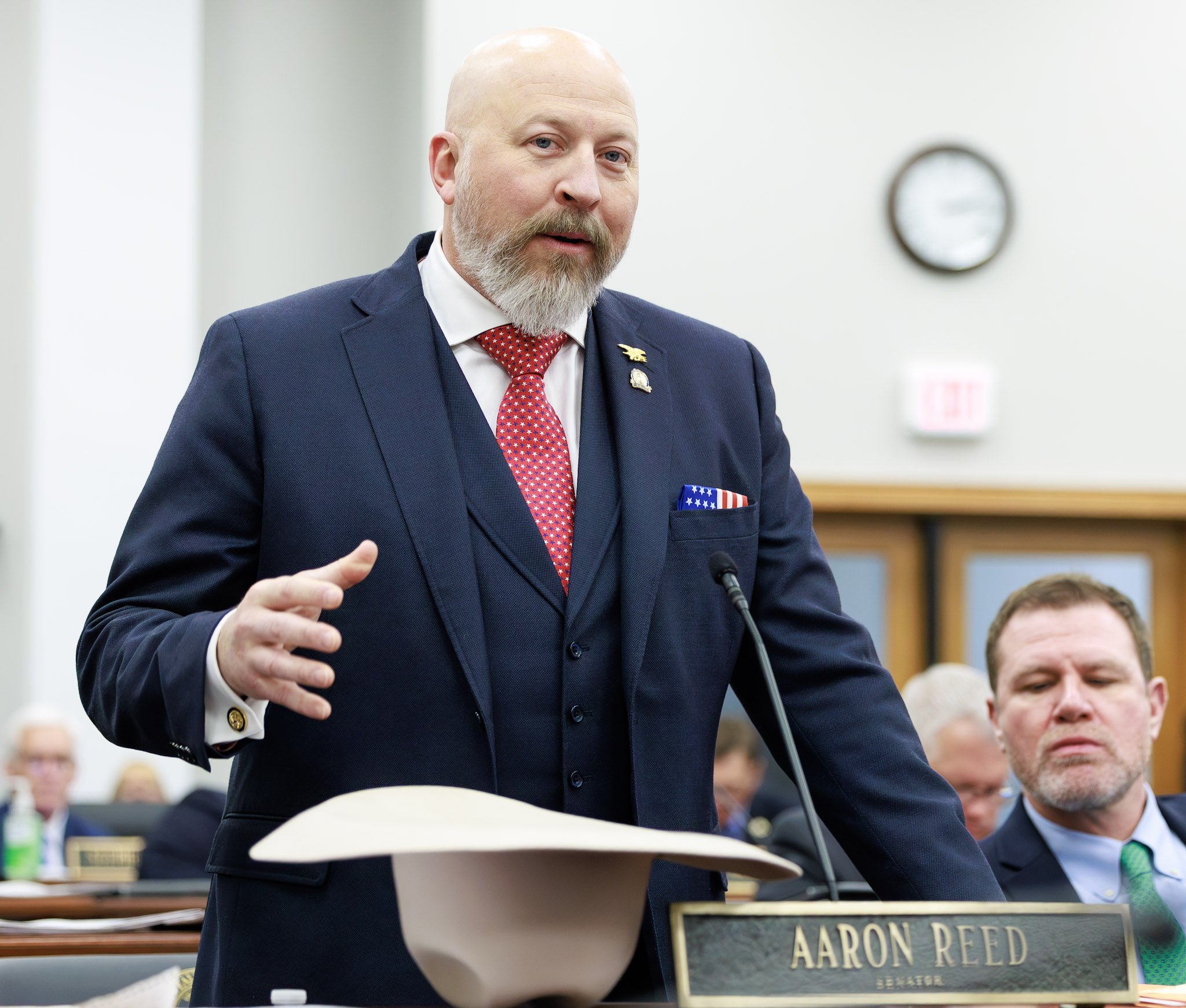
FRANKFORT, Ky. (March 31, 2026) — Senate Bill (SB) 102, sponsored by Sen. Aaron Reed, R-Shelbyville, achieved final passage today and will be delivered to the governor. SB 102 will allow retired Kentucky State Police (KSP) troopers to return to duty, offering a practical solution to strengthen public safety and address statewide staffing shortages.

SB 102 allows individuals previously appointed to the Trooper R Class or Commercial Vehicle Enforcement R Class to return to service with KSP after at least one month and less than 60 months following their most recent separation.

“These are experienced, highly trained professionals who are ready to serve. As a former Navy SEAL, I’ve seen firsthand the importance of committing yourself to something greater than your own interests," said Reed. “Bringing these troopers back strengthens public safety while honoring that same spirit of service. They already know the job, they know the communities and they’re prepared to step in and make a difference. It’s a smart, responsible way to address workforce shortages without lowering our standards.”

Under current law, restrictions limit when and how former troopers can be reappointed. SB 102 removes unnecessary barriers and helps KSP retain critical institutional knowledge, especially in high-need and rural areas.

“SB 102 promotes public safety by allowing experienced, qualified Kentucky State Police Troopers to continue serving the Commonwealth, helping ensure our communities have the skilled law enforcement they need,” said Rep. Chris Fugate, R-Chavies. “I appreciate Sen. Reed’s efforts on this issue and his support of our Kentucky State Police.”

STATEMENT RELEASE BLEDSOE ISSUES STATEMENT FOLLOWING SENATE’S APPROVAL OF LOGAN’S LAW

STATEMENT RELEASE

BLEDSOE ISSUES STATEMENT FOLLOWING SENATE’S APPROVAL OF LOGAN’S LAW

Legislation honors memory of Logan Tipton of Woodford County

FRANKFORT, Ky. (March 31, 2026)The following is a statement from Sen. Amanda Mays Bledsoe, R-Lexington, whose district includes all of Woodford County, and who carried Logan’s Law to passage in the Senate on Tuesday.

“The reason for Logan’s Law is that families should never have to question whether justice will hold. This legislation comes from a tragedy in Woodford County that left a young boy dead and a family forever changed. What followed only deepened that pain when the person responsible was released earlier than many believed justice required.

“As a mother, I cannot put into words what that kind of loss feels like. It’s a fear and uneasiness that parents hold deep inside them, hoping it will never have to come to the surface or become their reality. But I do know this: our laws should never leave families wondering if the system will protect them or stand with them in tragic cases such as that out of Woodford County that has forever changed the course of the lives of the Tipton family.

“Logan’s Law aims to restore trust in our justice system. It takes a hard look at where our system fell short and makes clear that we can do better. At its core, House Bill 422 is about making sure our justice system reflects the seriousness of violent crime, protects our communities and gives families the certainty they deserve.

“When life is taken, justice cannot be uncertain.

“I consider it an honor to have carried this bill to passage in the Senate, but I only wish it were not necessary and that Logan Tipton’s story was not one that we have to tell. My prayers remain with the Tipton family, and I am grateful to Rep. Dan Fister for sponsoring this bill, Senate Judiciary Committee chair Brandon Storm for helping get it in the right place and to all who helped bring it forward in Logan’s memory.”

___

BACKGROUND

The need for the legislation was prompted by developments in 2025 related to the early release of Ronald Exantus, who killed young Logan Tipton.

Legislative provisions

House Bill 422, as amended by Senate Committee Substitute 1 and a floor amendment, strengthens Kentucky’s criminal justice statutes by updating the definition of violent offender and increasing minimum parole ineligibility periods for certain serious offenses. The bill clarifies that mandatory reentry supervision does not apply to inmates who are ineligible for parole, those convicted of capital, Class A or Class B felonies or violent offenders denied discretionary parole. It revises the legal standard for criminal responsibility in cases involving mental illness or intellectual disability and maintains treatment requirements for individuals found guilty but mentally ill. The legislation also updates sentencing provisions to ensure parole ineligibility is clearly reflected in the record and improves transparency for victims, prosecutors and parole authorities. 

HB 422 must now return to the state House of Representatives for concurrence or non-concurrence with the Senate's revisions.

The case

In 2015, Logan Tipton, a 6-year-old boy from Woodford County, was fatally stabbed in his home by Ronald Exantus during a violent attack that also left other family members injured. The case drew widespread attention not only for the brutality of the crime but also for the legal outcome that followed. A jury found Exantus not guilty by reason of insanity on the murder charge, while convicting him of multiple assault offenses tied to the attack on Logan’s family. He was ultimately sentenced to 20 years in prison, with time served and other credits applied. After serving roughly seven years, Exantus was released in 2025 under Kentucky’s mandatory reentry supervision law, despite being denied parole. That release, required under existing statute, raised serious concerns among lawmakers and the public about gaps in how violent offenders, particularly those with complex mental health determinations, are managed after conviction.

GENERAL ASSEMBLY PASSES GIRDLER’S BILL TO EXPAND ACCESS TO PROSTHETIC CARE

GENERAL ASSEMBLY PASSES GIRDLER’S BILL TO EXPAND ACCESS TO PROSTHETIC CARE

Unanimous bipartisan measure strengthens insurance coverage standards for Kentuckians who rely on prosthetic and orthotic devices

FRANKFORT, KY. (March 31, 2026)—The Kentucky General Assembly has given final approval to Senate Bill (SB) 97, sponsored by Sen. Rick Girdler, R-Somerset, to strengthen insurance coverage standards for prosthetic and orthotic devices.

The bill passed both chambers with unanimous bipartisan support and now heads to the governor’s desk. SB 97 establishes clearer statewide standards to help ensure Kentuckians who rely on prosthetic limbs and orthotic devices can access the equipment needed for daily life and specialized activities.

The House made several changes to align the bill with federal requirements and existing insurance standards. The revised version removes short-term limited duration plans from the definition of a health benefit plan and replaces the requirement to offer two in-network providers with a requirement that insurers maintain a reasonably adequate provider network consistent with Kentucky’s existing network adequacy standards.

The House version also removes certain out-of-network referral and reimbursement provisions and directs the Kentucky Department of Insurance to determine whether the coverage requirement would trigger federal cost-defrayal obligations for qualified health plans. That determination must be submitted to the U.S. Department of Health and Human Services. If federal officials do not respond within one year, the determination will be considered accepted. The effective date was also moved from Jan. 1, 2027, to Jan. 1, 2028.

Girdler said the legislation reflects months of collaboration among patient advocates, health care professionals, insurers, and lawmakers working to reach a thoughtful and balanced solution.

“Advancements in prosthetic and orthotic technology are allowing people to live fuller, more active lives after devastating injuries or illnesses,” Girdler said. “This legislation helps ensure coverage policies keep pace with those advancements while maintaining a responsible and workable framework for patients, providers and insurers.”

Rep. Michael Meredith, R-Oakland, who carried the bill in the House, said clearer coverage standards will benefit Kentuckians who rely on prosthetic and orthotic devices.

"This is an important step toward ensuring that Kentuckians who rely on prosthetic and orthotic devices have the support they need to live active, independent lives,” he said. “Clearer coverage standards will make a real difference for patients, helping them access the right devices for both daily living and specialized activities. I want to thank Sen. Girdler for his leadership and dedication in championing this measure, and for listening to the voices of those whose lives will be directly impacted."

With concurrence on House changes complete, SB 97 now moves to the governor’s desk for final consideration.

Learn more about bills, committees, and other important updates on the 2026 Regular Session at www.kylegislature.gov

SEN. JASON HOWELL’S RESPONSE TO THE GOVERNOR’S VETO OF SENATE BILL 199

SEN. JASON HOWELL’S RESPONSE TO THE GOVERNOR’S VETO OF SENATE BILL 199

FRANKFORT, Ky. (March 31, 2026) – The following is a statement from Senator Jason Howell on the veto override of Senate Bill 199, a bill establishing that a pesticide label approved by the U.S. Environmental Protection Agency (EPA) under federal law is deemed a sufficient warning label under Kentucky law for purposes of state duty-to-warn claims.

“I’m glad to see the Kentucky legislature once again stand up for our farmers.” 

“By overriding the governor’s veto of this much-needed bill, we reaffirmed our commitment to Kentucky’s agriculture community and a commonsense approach that protects both agriculture and public health by relying on EPA guidance for pesticide use.”

BACKGROUND

Senate Bill 199 aligns Kentucky’s pesticide labeling standards with federal law and provides clarity for manufacturers, retailers and consumers operating in Kentucky.

The EPA has exclusive control over all aspects of pesticide management including the content of warning labels. SB 199 establishes that a pesticide label approved by the U.S. Environmental Protection Agency (EPA) under federal law is deemed a sufficient warning label under Kentucky law for purposes of state duty-to-warn claims.

By recognizing EPA-approved labels as meeting state requirements, the bill ensures consistency with federal standards and protects Kentucky farmers from product price increases by limiting frivolous lawsuit exposure. 

The legislation provides regulatory certainty while maintaining strong consumer protections. The measure preserves accountability by maintaining liability in cases where a manufacturer knowingly withholds or misrepresents material safety information. 

The bill has earned broad support from Kentucky’s agricultural and forestry communities. Kentucky Farm Bureau, Modern Ag Alliance, and Kentucky Department of Forestry Rep. Ryan Bivens, R-Hodgenville, a farmer representing the 24th House District, were all supportive of the bill.

The complete bill may be found on the Legislative Research Committee website here

HOUSE PASSES BLEDSOE’S BILL SUPPORTING LOCAL GOVERNMENTS AND STRENGTHENING COMMUNITY ACCOUNTABILITY

HOUSE PASSES BLEDSOE’S BILL SUPPORTING LOCAL

GOVERNMENTS AND STRENGTHENING COMMUNITY ACCOUNTABILITY

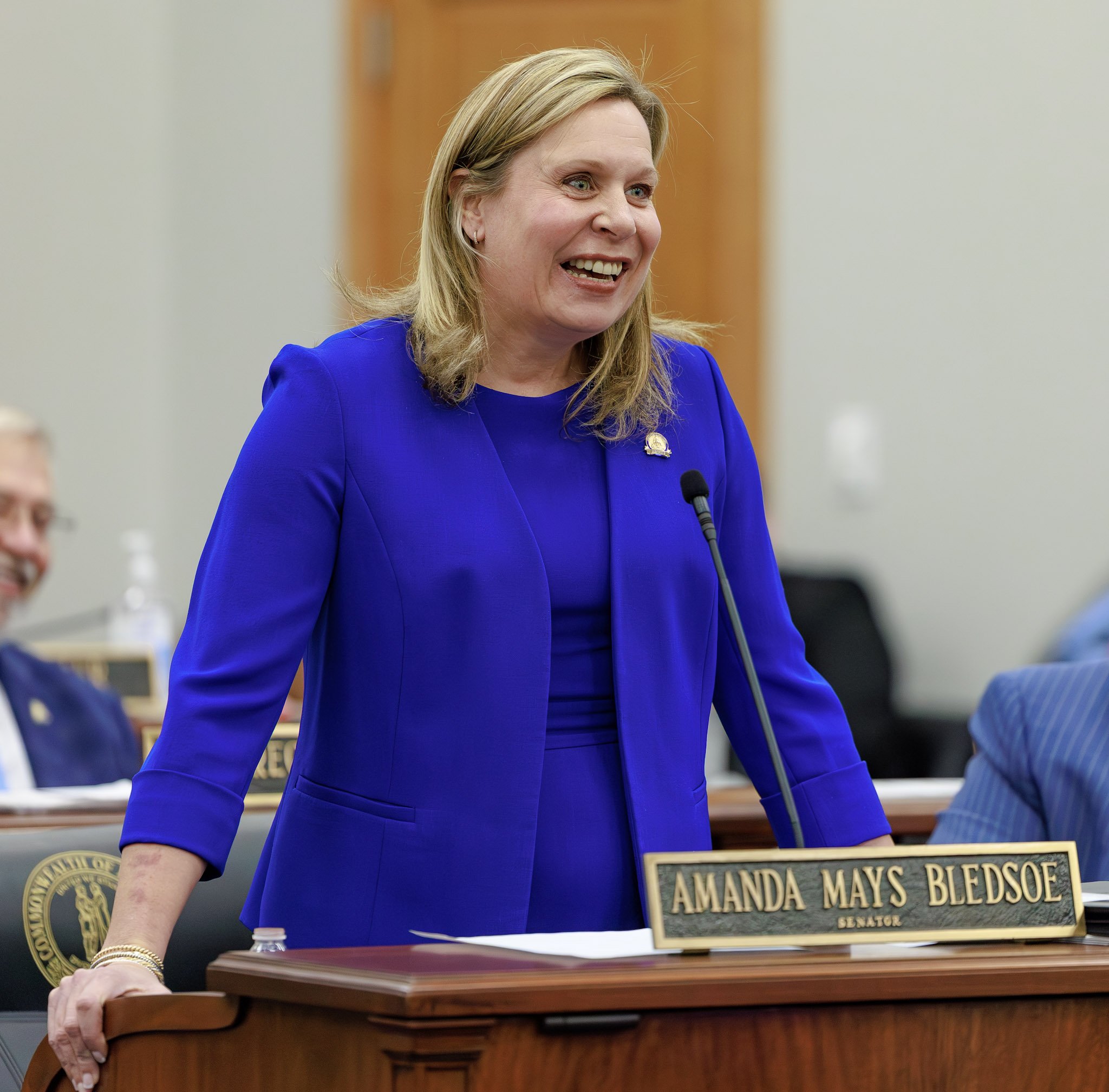
FRANKFORT, Ky. (March 30, 2026) — The state House of Representatives has approved Senate Bill (SB) 192, legislation sponsored by Sen. Amanda Mays Bledsoe, R-Lexington, designed to help local governments meet required audit standards while strengthening accountability at the community level. The measure was carried in the House by Rep. Josh Bray, R-Mount Vernon. 

SB 192 addresses a growing shortage of certified auditors across the commonwealth that has made it increasingly difficult for smaller cities and local governments to complete required financial audits in a timely manner. The bill creates a pathway to ensure audits can still be conducted efficiently without compromising transparency or oversight, helping communities remain compliant with state requirements and maintain public trust.

SB 192 carried the support of stakeholders, including the Kentucky League of Cities. 

In addition to addressing audit challenges, the House adopted an amendment sponsored by House Speaker Pro Tem David Meade, R-Stanford, to reinforce local representation and accountability in fire protection governance. The amendment requires members of fire district boards and certain nonprofit fire department boards to reside within the areas they serve, ensuring that those making decisions on taxes and fees are directly connected to the communities impacted. The amendment also establishes that any board member who does not reside within the district or service area will be deemed to have vacated the position, outlines a process for filling vacancies and includes an emergency clause to allow the provisions to take effect immediately upon enactment.

Bledsoe says SB 192 provides a practical solution to a statewide workforce challenge while maintaining strong financial oversight and reinforcing the principle that local governance should remain rooted in the communities it serves.

The bill will return to the Senate for concurrence before being delivered to the governor for consideration.