JOINT STATEMENT RELEASE HEAVRIN, DENEEN ON SGT. PENNINGTON'S DEATH

JOINT STATEMENT RELEASE

HEAVRIN, DENEEN ON

SGT. PENNINGTON'S DEATH

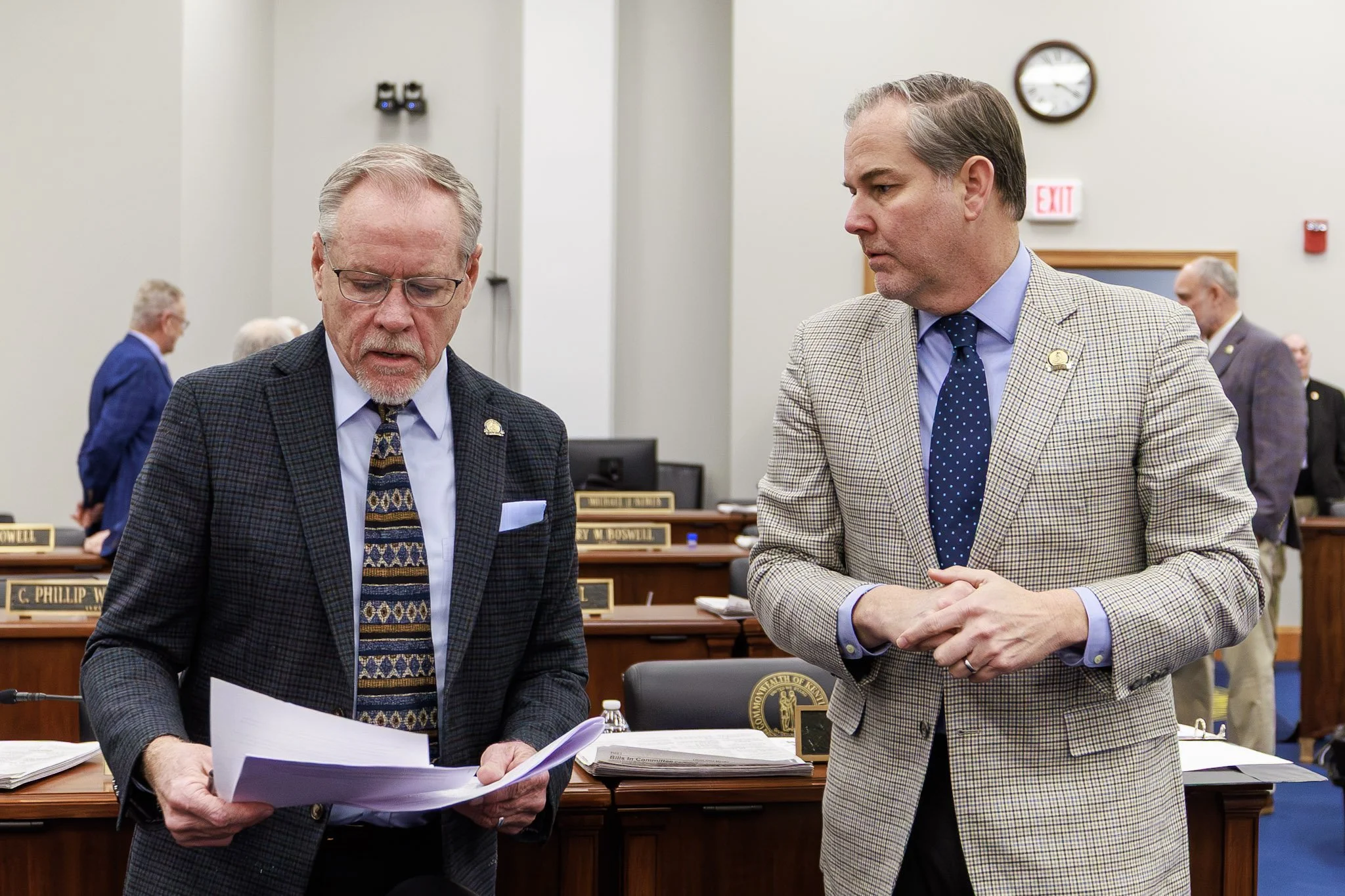
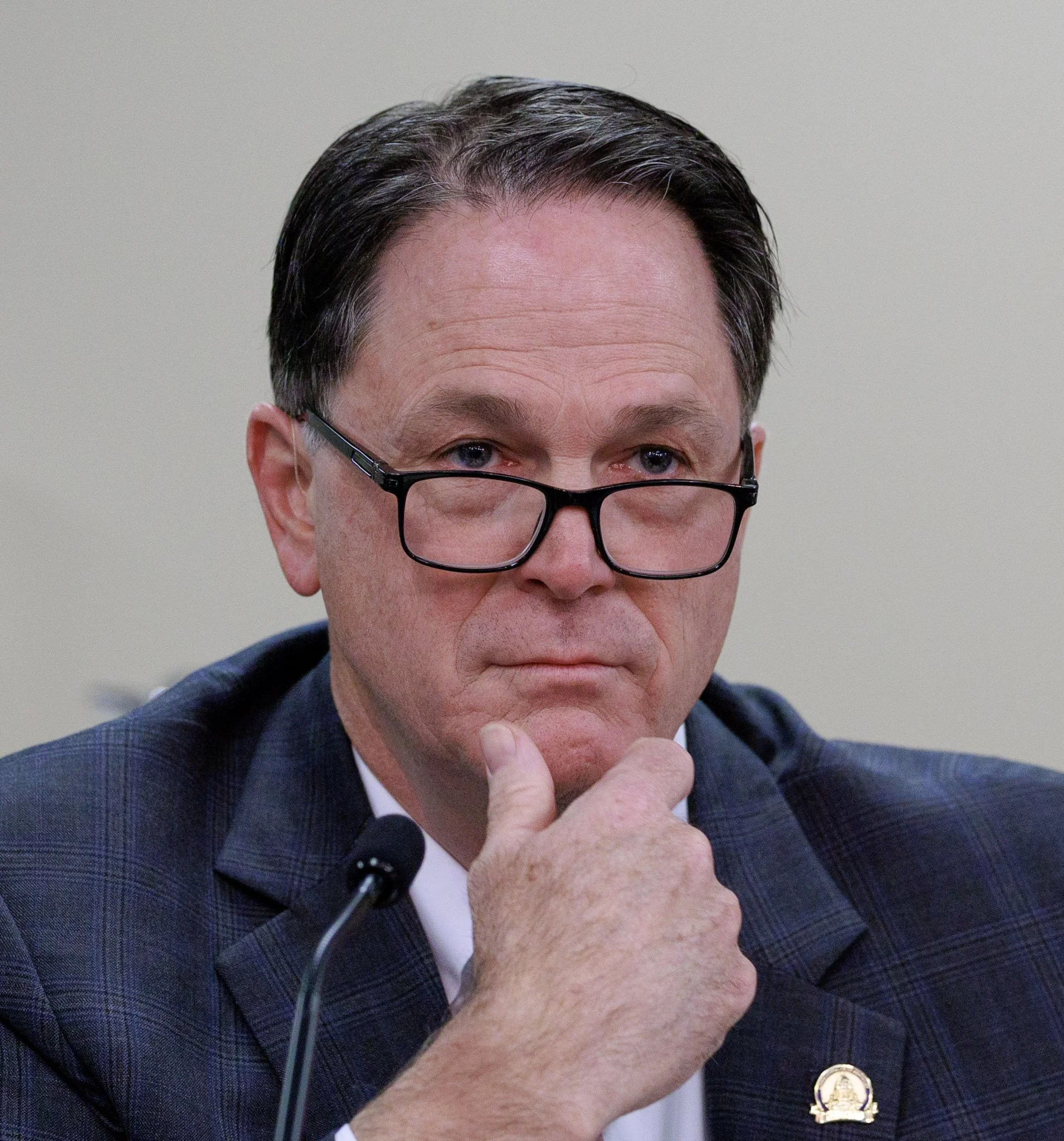
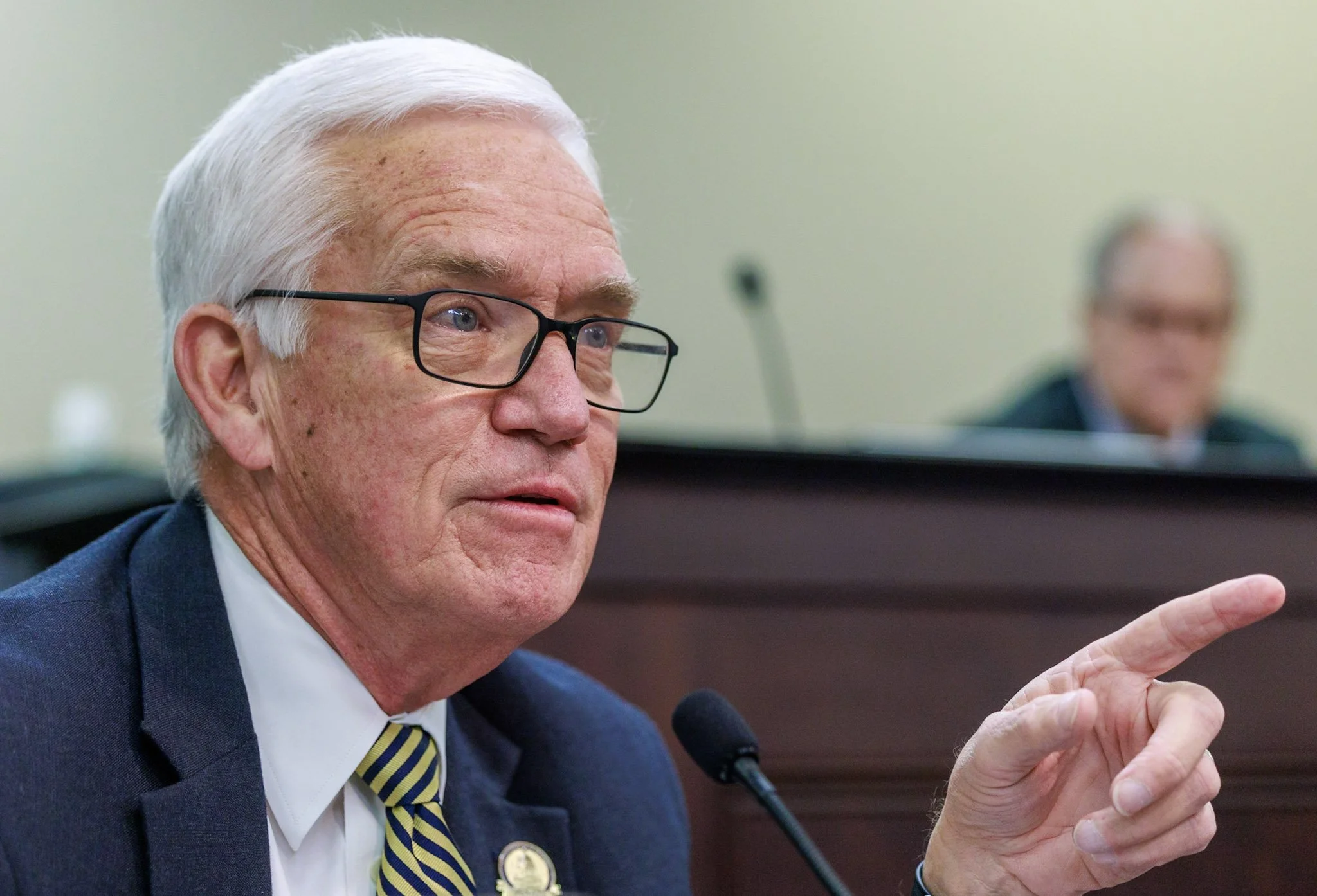
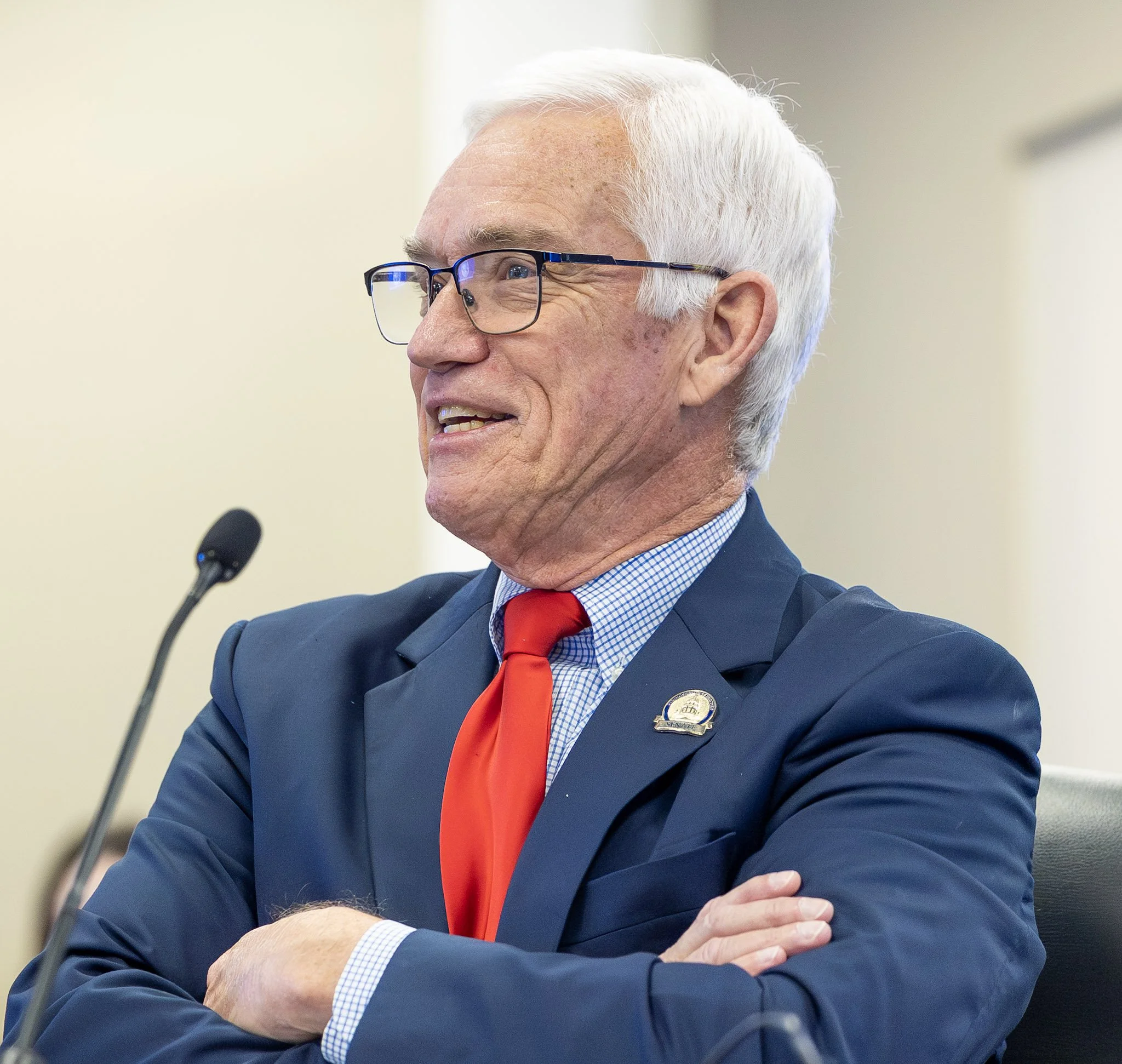
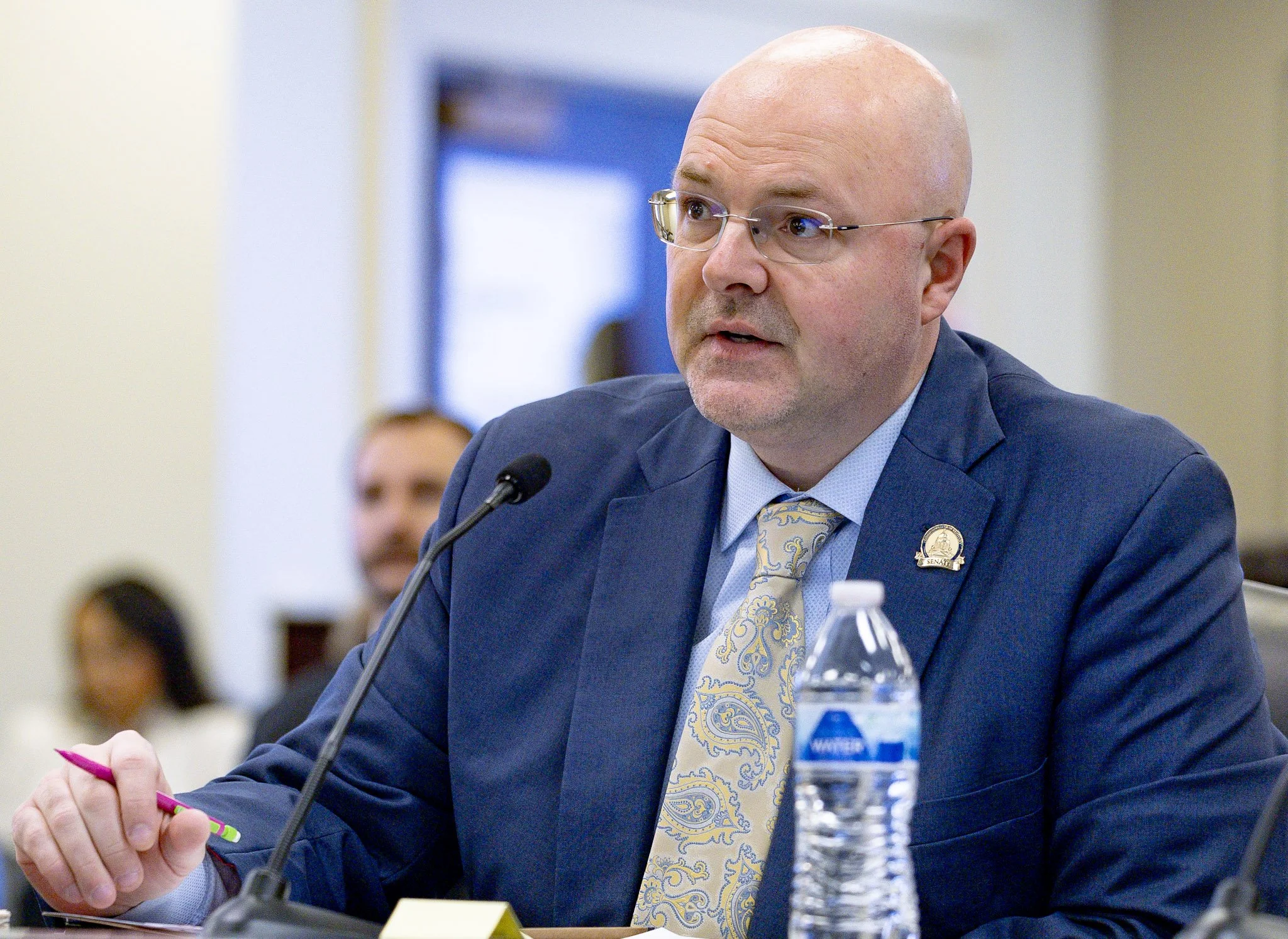
FRANKFORT, Ky. (Mar. 10, 2026) The following is a joint statement from Rep. Samara Heavrin, R-Leitchfield, and Sen. Matt Deneen, R-Elizabethtown, upon learning that Sgt Benjamin Pennington died as a result of injuries sustained in the retaliation to the attack on Prince Sultan Air Base in Saudi Arabia last week. 

“We extend our deepest condolences and offer our prayers to the family of Sgt. Benjamin Pennington, a decorated soldier who endured great sacrifice alongside members of his unit. His commitment to his fellow soldiers, his community, and our nation was unwavering.

“Sgt. Pennington’s devotion to service above self reflects the very best of America’s young men and women who answer the call to military service. We are grateful for his bravery, proud of his dedication to our nation, and we honor the legacy he leaves behind.”

___

Pennington, 26, was from Glendale, Kentucky, and was assigned to the 1st Space Battalion, part of the 1st Space Brigade, in Fort Carson, Colorado. He was injured during an attack on March 1 at Prince Sultan Air Base in Saudi Arabia. He died from his injuries on March 8, according to a statement from the Pentagon.

According to the U.S. Army Space and Missile Defense Command, Pennington enlisted in the Army as a unit supply specialist in 2017. He was assigned to the 1st Space Battalion in June 2025.

STIVERS’S SENATE BILL 6 PROPOSES $150 MILLION FOR RESEARCH

STIVERS’S SENATE BILL 6 PROPOSES 

$150 MILLION FOR RESEARCH 

Legislation supports collaboration among public universities

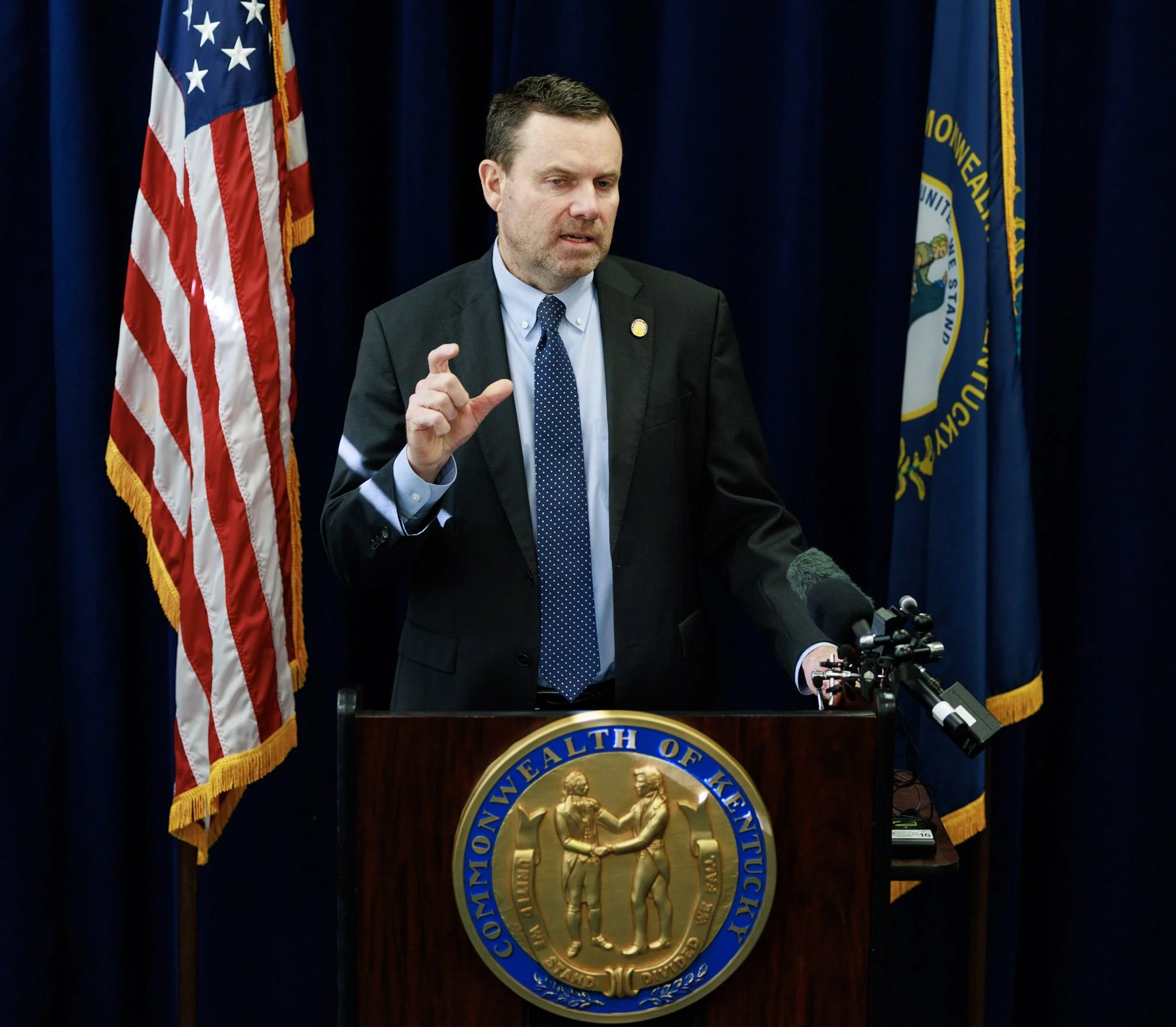
FRANKFORT, Ky. (Mar. 10, 2026) — The following is a statement from Senate President Robert Stivers, R-Manchester, upon the passage of Senate Bill (SB) 6 off the Senate floor.

“We built the framework for the collaboration two years ago, and this year, I am seeking the funding needed to invest in this high-quality research. Senate Bill 6 creates a long-term opportunity that will be felt for generations to come.  

“This bill is about bringing research here to Kentucky, research that could one day directly impact your life or the life of someone you love dearly.

“By working together, our universities can drive innovation, attract top-tier talent, strengthen Kentucky’s economy and keep our institutions competitive nationwide.

“I am hopeful the House will pick up Senate Bill 6 and vote it out immediately. Kentucky needs this for our future.”

________

BACKGROUND

SB 6 proposes a historic $150 million investment in Kentucky’s research infrastructure. The bill, if passed, would allocate general fund dollars for fiscal year 2027 to the Endowed Research Fund established under KRS 164.038, reinforcing the legislature’s commitment to innovation, higher education and long-term economic growth. 

The funding will be distributed evenly across the five research consortium accounts authorized by statute. Each account supports a unique research partnership among Kentucky’s public universities, selected by the Council on Postsecondary Education (CPE) based on collaborative proposals. Under the law, each research consortium receives funding for a five-year term.

SB 6 builds on the framework established by Senate Bill 1 from the 2024 Regular Session, which created the Endowed Research Fund and directed the CPE to select and support five high-impact research consortia. That legislation laid the groundwork for long-term collaboration among public universities; SB 6 now provides the necessary funding to activate that vision and move research efforts forward across the commonwealth.

CPE is responsible for soliciting and reviewing applications submitted jointly by two or more public universities. Applications are evaluated using established criteria, and selected consortia are assigned to dedicated accounts within the Endowed Research Fund.

In addition to advancing Kentucky’s research capacity, SB 6 ensures that any unspent funds will carry forward into the next fiscal year. This flexibility allows institutions to plan strategically and maximize the long-term impact of each investment.

Because of the bill’s importance to the state’s economic and educational future, the legislation carries an emergency provision, meaning it would take effect immediately upon its filing with the Secretary of State's Office. 

MADON BILL TO IMPROVE ACCESS TO CARE ADVANCES

MADON BILL TO IMPROVE ACCESS TO CARE ADVANCES

SB 116 aims to improve access to care by helping physician-led healthcare teams operate more efficiently

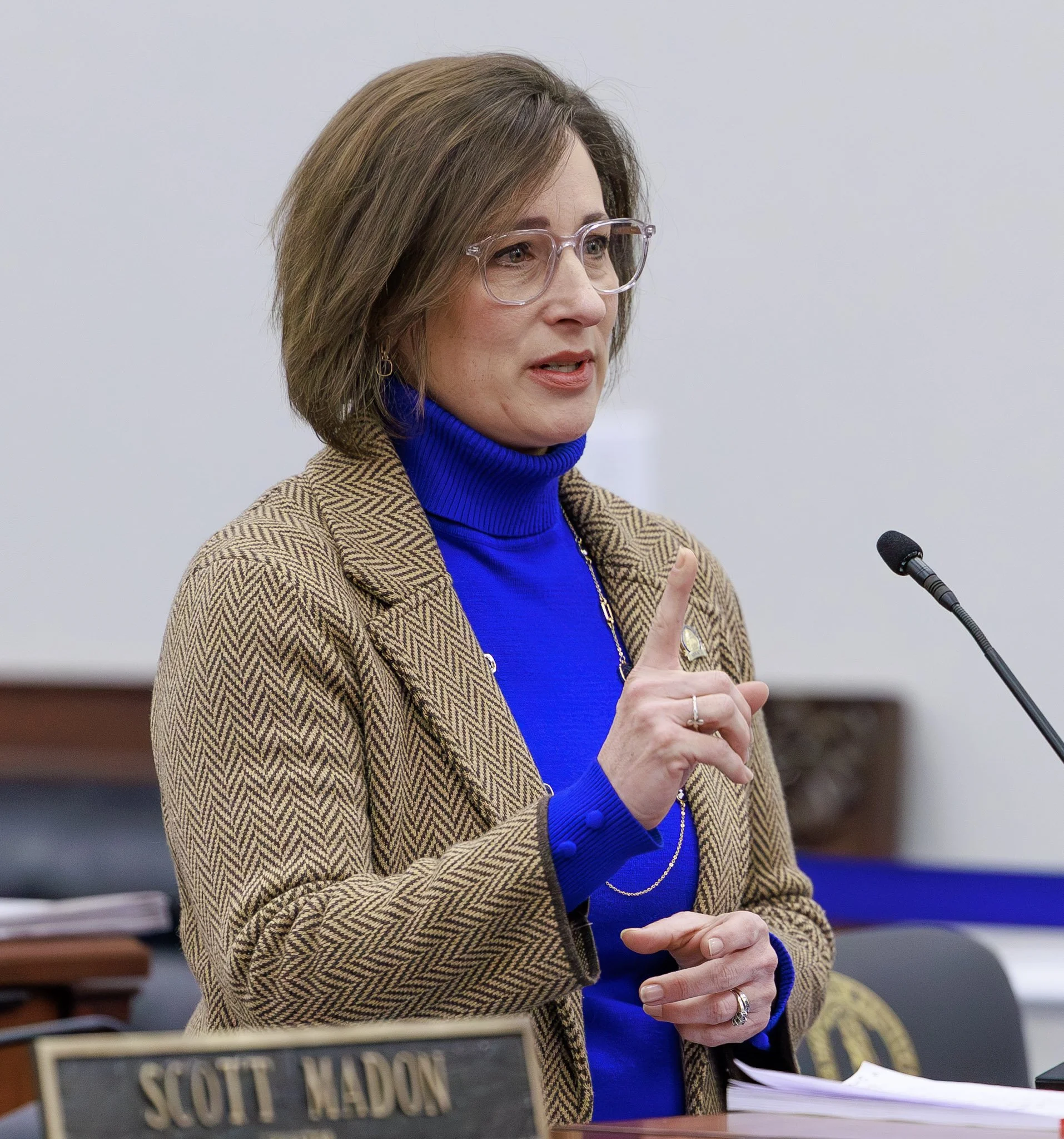
FRANKFORT, Ky. (March 10, 2026) — Legislation sponsored by Sen. Scott Madon, R-Pineville, aimed at strengthening healthcare teams and improving access to care across Kentucky passed the Senate this week.

Senate Bill (SB) 116 updates Kentucky statutes governing physician assistants (PAs) to allow healthcare teams to operate more efficiently while maintaining physician supervision and oversight. The measure streamlines certain administrative requirements and allows physicians and healthcare practices to determine a PA’s scope of practice based on experience and patient needs.

Madon said the bill is intended to help healthcare providers better serve patients, particularly in rural areas where workforce shortages remain a challenge.

“In many parts of Kentucky, access to healthcare providers remains a real concern,” Madon said. “This legislation helps ensure the professionals already serving on our healthcare teams can work together effectively so patients can receive timely, high-quality care.”

SB 116 reflects months of discussion among healthcare stakeholders, including physicians, physician assistants, and medical organizations.

The bill now moves to the House of Representatives for consideration.

Learn more about bills, committees and other important updates on the 2026 Regular Session at www.kylegislature.gov.

RAWLINGS BILL TO ENFORCE BAN ON TAXPAYER-FUNDED BALLOT ADVOCACY PASSES SENATE

RAWLINGS BILL TO ENFORCE BAN ON TAXPAYER-FUNDED BALLOT ADVOCACY PASSES SENATE

FRANKFORT, KY (March 9, 2026) — The Kentucky Senate has passed Senate Bill 59 (SB 59), legislation sponsored by Sen. Steve Rawlings, R-Burlington, to strengthen enforcement of Kentucky’s existing ban on the use of taxpayer funds to influence ballot questions. The measure now heads to the Kentucky House of Representatives for consideration.

Kentucky law already prohibits public funds from being used to advocate for or against ballot questions, but the statute currently lacks clear enforcement mechanisms. SB 59 addresses that gap by establishing civil and criminal penalties to ensure public institutions that violate the law can be held accountable.

“Taxpayer dollars belong to the people, not the government,” Rawlings said. “Citizens should never be forced to fund political messaging they may disagree with, especially when it comes from government entities.”

Rawlings said the legislation reinforces the principle that government institutions must remain neutral in elections and ballot campaigns.

“This bill ensures the rules we already have in place actually mean something,” Rawlings said. “When public resources are used for political advocacy, it erodes trust and undermines the integrity of the democratic process. SB 59 creates real consequences and helps restore confidence that the government will play by the rules.”

SB 59 strengthens protections for taxpayers by ensuring public funds are used only for legitimate public purposes and not for political campaigning related to ballot questions.

The bill passed the Senate and now moves to the Kentucky House of Representatives for further consideration.

For more information on SB 59 and other legislative updates, visit Legislature.ky.gov.

TICHENOR INTRODUCES LEGISLATION TO STRENGTHEN TRANSPARENCY IN PUBLIC MEETINGS

TICHENOR INTRODUCES LEGISLATION TO STRENGTHEN TRANSPARENCY IN PUBLIC MEETINGS

FRANKFORT, KY (Mar. 9, 2026) — Sen. Lindsey Tichenor, R-Smithfield, has introduced Senate Bill 331 (SB 331), legislation aimed at reinforcing transparency and accountability under Kentucky’s Open Meetings Act.


“Senate Bill 331 is about openness and public trust,” Tichenor said. “When government bodies meet and make decisions that affect their communities, Kentuckians deserve clear notice, the opportunity to be heard and confidence that those discussions are happening in the open whenever possible.”

SB 331 strengthens procedural requirements for public agencies by clarifying expectations for regular meetings and closed sessions under Kentucky law. The bill requires public bodies to provide public notice of regularly scheduled meetings and ensures time is set aside during those meetings for public expression.

The legislation also amends the process for entering a closed session. Before a public agency may move into a closed session, the chair of the governing body must publicly identify the specific exception under the Open Meetings Act that authorizes the closed session and announce the names of any non-members who will participate in the discussion.

Additionally, SB 331 increases penalties for violations of the Open Meetings Act to reinforce compliance and accountability.

The bill maintains existing safeguards that prohibit final action in closed session and requires that discussion remain strictly limited to matters publicly announced before the closed meeting.

“Closed sessions are permitted for defined and limited reasons,” Tichenor said. “This legislation helps ensure those exceptions are exercised clearly, narrowly and transparently so the public can trust the process.”

SB 331 preserves lawful exemptions under Kentucky law while clarifying expectations for public agencies conducting meetings. By strengthening notice requirements, ensuring opportunities for public input and increasing penalties for violations, the legislation seeks to improve consistency and accountability in how public bodies conduct business.

SB 331 reflects Tichenor’s continued commitment to open government, clear statutory standards and ensuring public institutions operate with transparency and integrity.

For more information on SB 331 and other legislative updates, visit Legislature.ky.gov.

STIVERS’ SJR 116 DIRECTS UNIVERSITIES TO TACKLE PHYSICIAN SHORTAGE IN UNSERVED, UNDERSERVED AREAS

STIVERS’ SJR 116 DIRECTS UNIVERSITIES TO TACKLE PHYSICIAN SHORTAGE IN UNSERVED, UNDERSERVED AREAS

Resolution passes full Senate, may be taken up by the House

FRANKFORT, Ky. (Mar. 9, 2026)The following is a statement from Senate President Robert Stivers, R-Manchester, upon the passage of Senate Joint Resolution (SJR) 116 off the Senate floor today. The legislation would direct the University of Kentucky, the University of Louisville, and Eastern Kentucky University to address the physician and health care shortages in unserved and underserved areas. The universities will be required to develop a plan and present it to the General Assembly by Jan. 1, 2027.


“Kentucky’s teaching hospitals are uniquely equipped with cutting-edge technology and access to the latest in healthcare industry trends. 

“I challenge each of them to open up their aperture and examine the health care shortage in unserved and underserved areas from all angles and develop a comprehensive solution. Nothing is off the table from recruitment strategies to scholarships or loan forgiveness and leveraging the latest in AI technology.

“I'm excited for what they will uncover working together with industry leaders, the Kentucky Hospital Association, the Kentucky Medical Association and other health care associations over the next nine months. 

“I anticipate my House counterparts passing this legislation quickly so we can get this on the governor's desk and get right to work to solve this health care crisis facing Kentucky.”

BACKGROUND

More than 75 percent of Kentucky physicians practice in urban areas, leaving many rural counties without adequate access to primary and specialty care. As a result, residents in medically underserved communities must often travel long distances for treatment. This creates financial and transportation barriers that can lead to delayed or foregone care.

According to the Association of American Medical Colleges, 57 percent of medical residents continue practicing in the state where they complete their training. Lawmakers believe that expanding graduate medical education opportunities in underserved regions could significantly improve long-term physician retention.

Once passed into law, the three universities must collaborate with community partners, state agencies, professional associations and other stakeholders to develop strategies that address workforce shortages, improve physician retention in underserved areas, and expand access through technology and community-based care models.

The coordinated effort will examine initiatives and explore innovative options, including sponsoring community-based graduate medical education programs, expanding residency sites in underserved areas, encouraging safe international physician recruitment, increasing support for recruitment and placement services, diversifying the medical workforce pipeline, expanding telehealth and other technological delivery systems, and strengthening community-based medical models.

This joint resolution, if passed by both chambers, carries the full weight of law. The bill includes $250,000 in the 2026-2027 biennial budget will take effect on July 1.

To find out more about SJR 116 and other legislation taken up by Kentucky’s 2026 General Assembly, go to the Legislative Research Commission homepage here

HOWELL’S SENATE BILL 199 ALIGNS KENTUCKY PESTICIDE LAW WITH FEDERAL STANDARDS

HOWELL’S SENATE BILL 199 ALIGNS KENTUCKY PESTICIDE LAW WITH FEDERAL STANDARDS 

Bill provides clarity for manufacturers, retailers, consumers operating in Kentucky

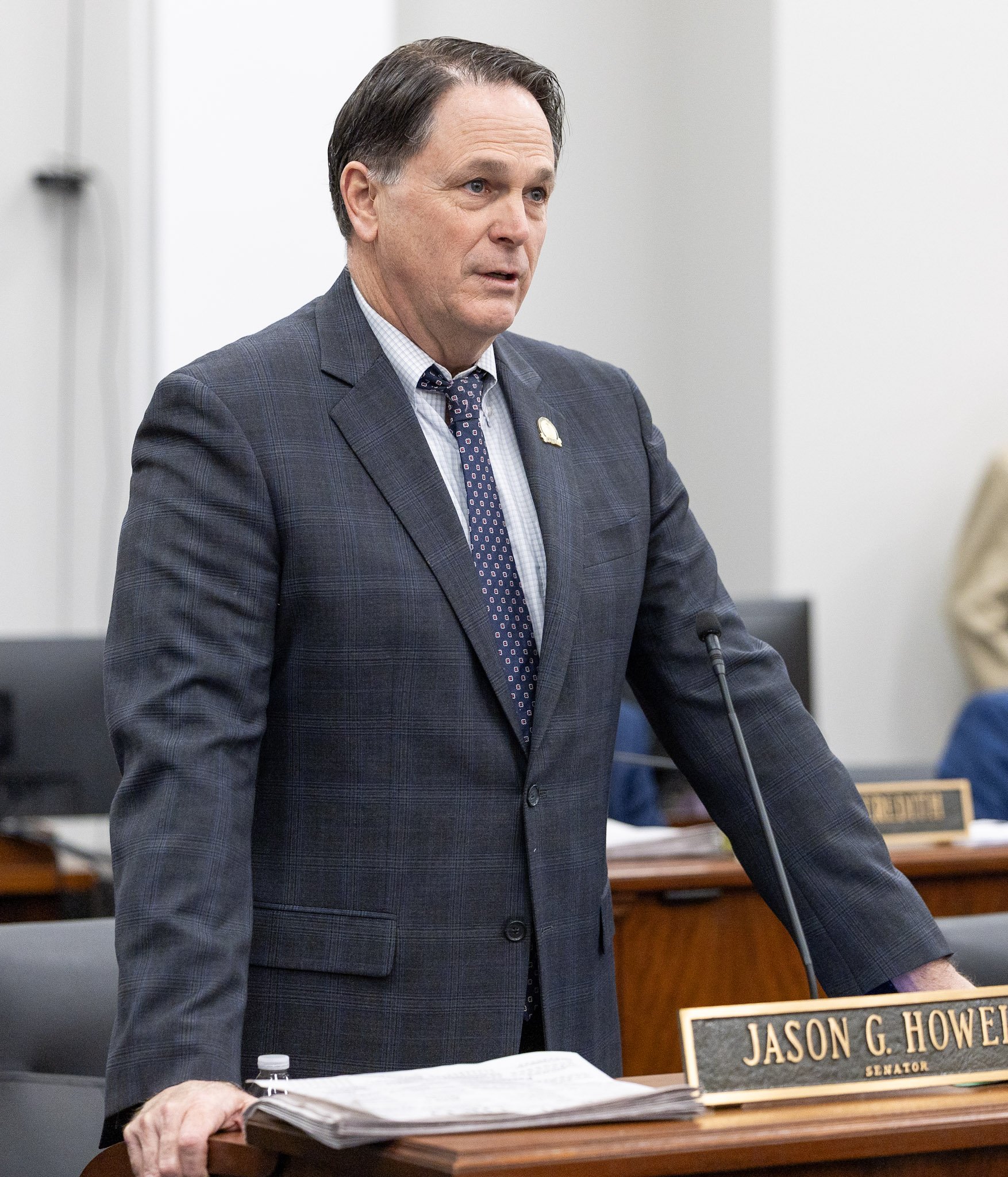
FRANKFORT, Ky. (March 6, 2026) Sen. Jason Howell, R-Murray, has secured passage of Senate Bill (SB) 199 which aligns Kentucky’s pesticide labeling standards with federal law and provides clarity for manufacturers, retailers and consumers operating in Kentucky.

The EPA has exclusive control over all aspects of pesticide management including the content of warning labels. SB 199 establishes that a pesticide label approved by the U.S. Environmental Protection Agency (EPA) under federal law is deemed a sufficient warning label under Kentucky law for purposes of state duty-to-warn claims. By recognizing EPA-approved labels as meeting state requirements, the bill ensures consistency with federal standards and protects Kentucky farmers from product price increases by limiting frivolous lawsuit exposure. 

Howell said the legislation provides regulatory certainty while maintaining strong consumer protections. The measure preserves accountability by maintaining liability in cases where a manufacturer knowingly withholds or misrepresents material safety information. 

“Kentucky should not impose conflicting standards when federal experts have already established clear, science-based labeling requirements,” Howell said. “SB 199 keeps our state in line with federal law, provides consistency for businesses and farmers, and ensures accountability remains.”

The bill has earned broad support from Kentucky’s agricultural and forestry communities. Testifying in favor of SB 199 were Kentucky Farm Bureau’s Kyle Kelly; Kentucky Department of Forestry Director Christopher Will; Rep. Ryan Bivens, R-Hodgenville, a farmer representing the 24th House District; and Elizabeth Burns-Thompson, executive director of the Modern Ag Alliance.

SB 199 may now be taken up by the House of Representatives. 

GIRDLER BILL TO UPDATE SPEECH-LANGUAGE PATHOLOGY LICENSURE PASSES SENATE

GIRDLER BILL TO UPDATE SPEECH-LANGUAGE PATHOLOGY LICENSURE PASSES SENATE

SB 177 modernizes licensure standards and aligns Kentucky law with interstate compact requirements

FRANKFORT, KY. (March 6, 2026) — Legislation sponsored by Sen. Rick Girdler, R-Somerset, to modernize Kentucky’s licensing framework for speech-language pathologists and assistants has passed the Kentucky Senate. 

Senate Bill (SB) 177 updates statutes governing licensure requirements for speech-language pathology professionals and makes technical changes to ensure Kentucky law reflects current professional standards and workforce practices.

The bill removes outdated statutory language requiring postgraduate professional experience to be completed under the supervision of a Kentucky-licensed speech-language pathologist, while maintaining oversight by the Kentucky Board of Speech-Language Pathology and Audiology.

The legislation also clarifies requirements for professionals seeking to practice under the Audiology and Speech-Language Pathology Interstate Compact, ensuring applicants complete and document at least three months of postgraduate professional experience as determined by the board.

Girdler said the measure helps ensure Kentucky’s licensure statutes remain current while maintaining strong professional standards.

“This legislation helps update our statutes so they reflect current professional practices while maintaining appropriate oversight,” Girdler said. “Speech-language pathologists provide critical services to children and adults across Kentucky, and it’s important that our licensing framework supports that workforce while maintaining clear standards.”

SB 177 now moves to the House of Representatives for further consideration.

FROMMEYER JOINT RESOLUTION ESTABLISHING KENTUCKY AS FOOD IS MEDICINE STATE SERVED UP TO HOUSE HEALTH SERVICES COMMITTEE

FROMMEYER JOINT RESOLUTION ESTABLISHING KENTUCKY AS FOOD IS MEDICINE STATE SERVED UP 

TO HOUSE HEALTH SERVICES COMMITTEE

Nationally recognized approach is leading Kentucky to healthier lives and driving a more robust rural economy

FRANKFORT, Ky. (Feb. 27, 2026) — Sen. Shelley Funke Frommeyer, R-Alexandria, successfully testified before the House Health Services Committee on Senate Joint Resolution (SJR) 23, groundbreaking legislation declaring Kentucky’s commitment to a “Food Is Medicine” strategy that strengthens both patient health and rural economies yesterday.

SJR 23 is the first Food Is Medicine resolution of its kind in the nation. While other states have pursued program-specific legislation focused largely on Medicaid waivers, Kentucky’s approach is a statewide declaration aligning policy, education and innovation around the role of nutrition and local agriculture in improving health outcomes.

Kentucky’s Food Is Medicine initiative brings together the Kentucky Department of Agriculture and the Kentucky Hospital Association to create impact across industries. The initiative is designed to encourage and enable private-sector partnership in community health, workforce wellness and chronic disease management by addressing the root causes of diet-related risk factors.

“Our strategy is about educating the commonwealth on what Food Is Medicine means and how it’s already working in Kentucky,” Frommeyer said. “By using local food as a primary health intervention, we can improve patient outcomes while promoting rural prosperity.”

The resolution positions Kentucky to follow the newest federal guidance as a best-in-class, forward-leaning leader aligned with agriculture and health care. The goal is straightforward: better health outcomes through evidence-based clinical nutrition guidance paired with agricultural economic development that drives rural prosperity.

SJR 23 is a direct result of the work of the Make America Healthy Again (MAHA) Kentucky Task Force that met in the 2025 Interim.  

Kentucky’s model was featured as an example for federal duplication in the America First Policy Institute’s “Driving Responsible Nutrition Policy” paper released in May 2025 and has inspired similar conversations in neighboring West Virginia, Virginia and Ohio.

“We were so pleased to learn about the successful passage of the Kentucky Food is Medicine resolution,” said Martin Tull of the American College of Lifestyle Medicine. “It stands as a unique act of leadership to help unify local food conversations with the health care innovation work underway.”

Frommeyer said the resolution ensures Kentucky remains proactive as federal agencies continue advancing nutrition-focused health strategies.

“This is about leading, not following,” she said. “Kentucky is demonstrating that agriculture and health care are not separate conversations but together, they are a powerful strategy for healthier families and stronger rural communities.”

HB1 WILL BRING MORE FEDERAL EDUCATION DOLLARS TO KENTUCKY’S PUBLIC SCHOOLS

HB1 WILL BRING MORE FEDERAL EDUCATION DOLLARS TO KENTUCKY’S PUBLIC SCHOOLS

Kentucky failing to opt in to federal tax credit program will send Kentucky’s education dollars to other states

This week the General Assembly passed House Bill (HB) 1, legislation for Kentucky to formally opt-in and participate in the federal education tax credit program.  

Under this program, taxpayers may contribute up to $1,700 to a scholarship granting organization (SGO). Those organizations then provide scholarships or assistance to families with children in K-12 public or private schools for approved educational expenses such as tuition, fees, tutoring, special needs services, books, supplies, technology, and transportation. In return, the taxpayer receives a dollar-for dollar federal tax credit, up to $1,700, reducing what they would otherwise send to Washington. 

Federal law requires states to affirmatively opt in to participate. To date, 23 governors have chosen to do so, and additional states are expected to follow. Even in states that decline to opt in, taxpayers may still contribute to SGOs in participating states and receive the federal tax credit, meaning those charitable dollars would simply flow elsewhere. 

This exciting opportunity is receiving bipartisan support, as evidenced by Colorado Governor Jared Polis, also a Democrat and potential 2028 presidential candidate:

“I think most, if not all, Democratic governors will get there as they learn about the chance to boost charitable contributions in their state.  If there are states that don’t, for some reason, people in those states can still give to charities in states like Colorado.  In other words, taxpayers everywhere will be able to get the tax credit.  But if a particular state doesn’t opt in, then the donors in that state would be giving out of state.  I do believe states will opt in as they see the opportunity for additional donations to help at-risk kids and middle-class kids in their state…I think many of them will choose to do it because it’s free money.” 

The federal education tax credit presents a historic opportunity for Kentuckians to direct dollars that would otherwise go to Washington toward students and families in their own communities. Children in struggling schools could receive additional support. Public school leaders and advocates may establish SGOs to generate new scholarship funding and resources. As one House member, a public school teacher, noted during debate, “If we are very intentional, we can ensure that this money can transfer to our public education students…it’s really powerful.” 

I am grateful that federal law provides Kentucky a clear, voluntary option to participate, and the General Assembly moved swiftly to ensure we do not leave this opportunity on the table. If we fail to act, those charitable dollars will simply flow to other states. I urge the Governor to sign HB 1 and encourage leaders statewide to help educate families about its potential. When fully understood and embraced, this program can provide meaningful support for Kentucky students and families.

HOWELL’S SENATE BILL 157 EARNS PASSAGE OUT OF THE FULL SENATE

HOWELL’S SENATE BILL 157 EARNS 

PASSAGE OUT OF THE FULL SENATE

Bill brings Kentucky in line with federal standards

FRANKFORT, Ky. (Feb. 26, 2026) — Senate Bill (SB) 157, sponsored by Sen. Jason Howell, R-Murray, will clarify Kentucky law governing certain mortgage loans and ensure greater consistency with federal lending standards. SB 157 passed off the Senate floor today and may now be taken up by the House of Representatives.


Under the Old Kentucky law, the cost of buying down your interest rate was included as a cost under the fee cap, making it harder for the home buyer to buy down your interest rate. under the federal qualified mortgage fee structure, the cost of buying down your interest rate is excluded from the cap, making it much easier for a consumer to buy down their interest rate on the front end. 


By aligning Kentucky statute with federal requirements, the measure promotes uniform standards in the lending process while maintaining important consumer protections.


“Clear and consistent lending standards are essential for both borrowers and lenders,” Howell said. “Senate Bill 157 aligns Kentucky law with federal guidelines, strengthens transparency in the mortgage process, and helps ensure consumers are protected while maintaining access to responsible lending options.”


SB 157 would amend Kentucky’s mortgage loan company and broker statute, one that has not been updated since 2008. Current Kentucky law states that there are limits of total net income generated by a lender and its affiliates to the greater of $2,000 or four percent of the total loan amount, which aligns with federal standards. This would apply to both first and second mortgages.


The bill applies to mortgage contracts entered into after its effective date, providing clarity for lenders and borrowers moving forward without affecting existing agreements.


SB 157 is part of Howell’s ongoing efforts to support sound financial policy and promote fair practices and stability in Kentucky’s housing market.


To stay updated on the next steps for SB 157, follow along at Legislative.ky.gov.

WHEELER’S RURAL ECONOMIC DEVELOPMENT BILL ADVANCES FROM SENATE COMMITTEE

WHEELER’S RURAL ECONOMIC DEVELOPMENT BILL ADVANCES FROM SENATE COMMITTEE

SB 197 strengthens tools to attract jobs to heritage communities across Kentucky

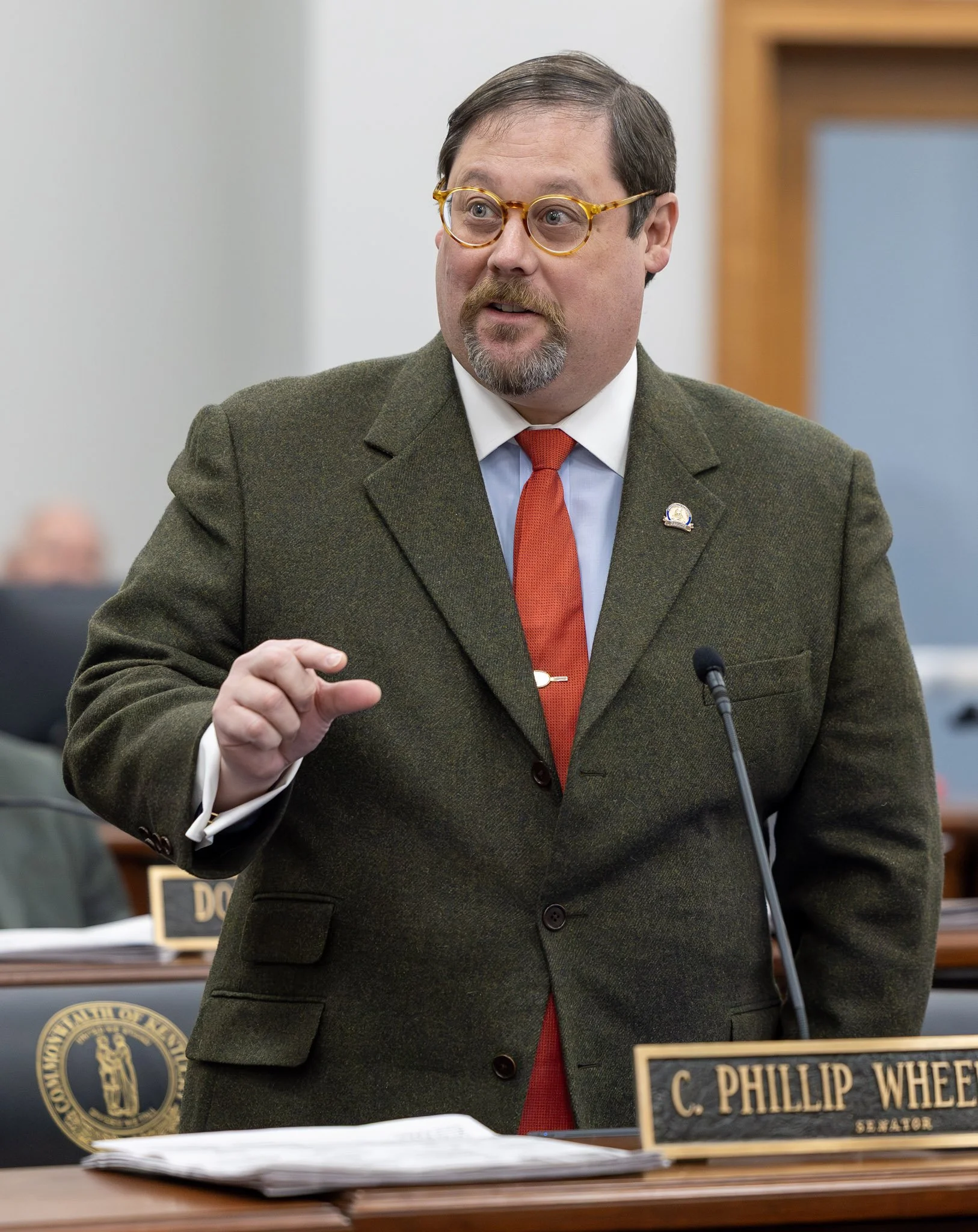
FRANKFORT, KY. (Feb. 26, 2026) —Senate Bill (SB) 197, sponsored by Sen. Phillip Wheeler, R-Pikeville, passed the Senate Economic Development, Tourism, and Labor Committee today with bipartisan support.

The measure creates a four-tier economic incentive structure designed to direct additional tools and flexibility to counties experiencing population loss and higher unemployment. The goal is to promote more balanced economic growth across Kentucky.

“Kentucky has seen record private-sector investment in recent years, but that growth has not been evenly distributed,” Wheeler said. “SB 197 gives our Cabinet for Economic Development the tools it needs to better compete for projects in rural communities and heritage counties that have faced long-term population and job loss.”

The outline of SB 197 emerged over the interim committee meetings and discussions between Wheeler, Senator Scott Madon, R-Floyd, and members of Eastern Kentucky’s House Delegation including Representatives John Blanton, R-Salyersville , Bobby McCool, R-Paintsville, Mitch Whitaker, R-Whitesburg, Scott Sharp, R-Ashland, and Aaron Thompson, R-Greenup. The legislators heard testimony in committee over the summer from OneEastKY Executive Director Colby Kirk and OneEast Board Chair Tyler Burkeand met on multiple occasions to work out the details of the SB 197, which is based on proven economic development initiatives tried in other states. Secretary Jeff Noel of the Kentucky Cabinet for Economic and his team provided additional suggestions following the roll-out of the bill to make the legislation even more robust for rural Kentucky.  

Under the legislation, counties would be ranked using a formula that combines five-year average unemployment data and population metrics. Based on those rankings, counties would fall into one of four tiers. Tier three and tier four counties would qualify as “heritage communities,” and receive enhanced incentive opportunities.

The bill restores the Kentucky Business Investment program’s wage assessment rate to maintain competitiveness and expands eligible industries beyond manufacturing to include research and development, corporate headquarters and other high-skill sectors. It also increases incentive caps and workforce training flexibility in qualifying communities.

Wheeler noted that eastern Kentucky alone has experienced significant population decline over the past several decades.

“If we do not take deliberate action, projections show that some of our largest counties could lose nearly half their population by mid-century,” Wheeler said. “This legislation is about giving rural Kentucky a fair shot. It is not a silver bullet, but it provides practical tools to attract investment and create opportunity.”

Secretary Jeff Noel of the Kentucky Cabinet for Economic Development testified in support of the measure, calling it a broader and more competitive economic development toolkit.

“When your toolbox is missing tools, it is difficult to fix anything,” Noel told the committee. “This legislation helps ensure we have the right tools to support communities across the commonwealth.”

SB 197 now advances for consideration by the full Senate.

Learn more about bills, committees, and other important updates on the 2026 Regular Session at www.legislature.ky.gov.

HOWELL’S SENATE BILL 214 STRENGTHENS DEPARTMENT OF AGRICULTURE’S ABILITY TO SECURE, MANAGE FUNDING

HOWELL’S SENATE BILL 214 STRENGTHENS DEPARTMENT OF AGRICULTURE’S ABILITY TO SECURE, MANAGE FUNDING

FRANKFORT, Ky. (Feb. 26, 2026) — Sen. Jason Howell, R-Murray, Senate Bill (SB) 214 enhancing Kentucky Department of Agriculture’s (KDA) ability to secure, administer and manage non-federal funds supporting farmers, agribusinesses and rural communities was passed out of the senate today and may now be taken up by the House of Representatives.


SB 214 authorizes KDA to accept nonfederal funds and grants from any public or private source that benefit its programs. It also clarifies the department’s authority to receive federal funds, commodities and other resources made available through acts of Congress, as well as funds appropriated by the Kentucky General Assembly.


“Agriculture is foundational to Kentucky’s economy, and this legislation ensures our Department of Agriculture has the clear authority and flexibility to pursue and manage funding from federal, state, and private partners,” Howell said. “By streamlining that process, we’re maximizing resources, strengthening our agricultural economy, and being proactive in supporting a vital industry and the rural communities that depend on it.”


SB 214 also ensures the department has clear authority to disburse funds according to state and federal law. It allows the department to accept and administer non-federal grants, gifts, donations, or devices from public or private sources to further support agriculture-related initiatives.


Under the bill, the commissioner of agriculture would be authorized to enter into agreements and carry out their terms with federal departments, as well as state and local public agencies.

“THIS ISN’T JUST A RESOLUTION, IT’S A REVOLUTION” MEREDITH’S MEDICAID REFORM MEASURE APPROVED BY HOUSE HEALTH SERVICES COMMITTEE

“THIS ISN’T JUST A RESOLUTION, IT’S A REVOLUTION”

MEREDITH’S MEDICAID REFORM MEASURE APPROVED BY HOUSE HEALTH SERVICES COMMITTEE

SCR 9 moves to full House for consideration 

FRANKFORT, Ky. (Feb. 26, 2026) — Senate Concurrent Resolution (SCR) 9, sponsored by Sen. Stephen Meredith, R-Leitchfield, was unanimously approved today by the House Standing Committee on Health Services after Meredith urged lawmakers to confront what he described as a health care cost crisis threatening Kentucky families and the state budget.


“This isn’t just a resolution, it’s a revolution,” Meredith told committee members. “If we continue down the same path, Medicaid costs will continue to rise while outcomes remain stagnant. We have to be willing to think differently.”

SCR 9 directs the Legislative Research Commission to procure an independent vendor to conduct a feasibility study on implementing an Accountable Communities for Health (ACH) Medicaid delivery model pilot project.

Since Kentucky transitioned to a managed care model in 2010, Medicaid enrollment has increased by roughly 50 percent. During that same period, program costs have surged by nearly 400 percent. Meredith argued that the current structure has created layers of bureaucracy, strained provider reimbursement and failed to produce meaningful improvements in population health.

“We are spending over $20 billion a year,” Meredith said. “Yet our providers are frustrated, our rural communities are struggling with access and we still rank near the bottom nationally in key health indicators. That tells me the system itself deserves a hard look.”

Under the current managed care structure, private companies administer Kentucky’s Medicaid benefits under contracts that guarantee a medical loss ratio of 90 percent — allowing up to 10 percent of contract value for administrative costs and profit. Meredith told lawmakers that while those companies are fulfilling their contractual obligations, their financial incentives are not aligned with reducing overall system costs.

“If the only way profits grow is when spending grows, then the incentives are working against us,” Meredith said. “We have to align financial incentives with improving health outcomes and lowering long-term costs.”

The proposed feasibility study would evaluate accountable care models operating in other states, assess opportunities to reduce administrative overhead, improve care coordination, and address social determinants of health. Meredith’s proposal envisions a locally driven, nonprofit, community-based structure that places providers and communities—not outside corporations—at the center of care decisions.

If implemented following the study, the pilot would be known as the “20 by 30 Accountable Care Pilot Project,” reflecting Meredith’s goal of achieving significant improvements in population health and measurable cost reductions by 2030.

Meredith emphasized that SCR 9 does not immediately dismantle the current system but instead ensures lawmakers have comprehensive, data-driven analysis before pursuing structural reforms.

“We cannot afford to be passive,” Meredith said. “If we improve the health of our population and reduce unnecessary bureaucracy, we can protect taxpayers, strengthen providers and put money back into Kentucky families’ pockets. But it starts with being willing to ask bold questions.”

SCR 9 now advances to the full Kentucky House of Representatives for further consideration.

Learn more about bills, committees, and other important updates on the 2026 Regular Session at www.kylegislature.gov.
SENATE COMMITTEE ADVANCES ADAMS’S SB 156 TO CLOSE REMAINING CHILD MARRIAGE LOOPHOLE

SENATE COMMITTEE ADVANCES ADAMS’S SB 156 

TO CLOSE REMAINING CHILD MARRIAGE LOOPHOLE

Survivor testimony emphasizes need for stronger enforcement of Kentucky’s child marriage ban

FRANKFORT, KY. (Feb. 26, 2026)— Senate Bill (SB) 156, sponsored by Sen. Julie Raque Adams, R-Louisville, passed the Senate Veterans, Military Affairs and Public Protection Committee this morning following powerful testimony from a survivor of child marriage.

SB 156 builds upon SB 48, the 2018 law sponsored by Adams that ended legal child marriage in Kentucky. While that law established 18 as the legal age for marriage, it included a limited judicial exception for 17-year-olds. According to testimony presented in committee, that exception has not been consistently followed and, in some cases, has been exploited.

SB 156 removes that remaining exception and establishes 18 as the clear, enforceable minimum age for marriage in Kentucky.

During the hearing, Donna Simmons, a survivor of generational child marriage and childhood trauma, shared her personal experience of being married as a minor and the long-term consequences that followed. Simmons described systemic failures across multiple institutions and emphasized how legal loopholes can enable abuse to continue under the cover of a marriage license.

“This is not theoretical,” Simmons told lawmakers. “This is my life.”

Adams said the legislation is focused on ensuring the law is clear and consistently enforced.


“Ending child marriage in 2018 was an important step for protecting our children, but what we have seen is that the remaining exception has not always been adhered to,” Adams said. “SB 156 simply closes that loophole and makes the law clear: marriage in Kentucky begins at 18.”

Committee members acknowledged the difficult testimony and expressed appreciation for Simmons’s willingness to speak publicly.

SB 156 now advances for consideration by the full Senate.

WHEELER’S WELDING SAFETY BILL PASSES SENATE

WHEELER’S WELDING SAFETY BILL PASSES SENATE

FRANKFORT, KY. (Feb. 26, 2026) —The Kentucky Senate has passed Senate Bill (SB) 98, legislation sponsored by Sen. Phillip Wheeler to strengthen safety and quality standards for structural steel welding across the Commonwealth.

SB 98 establishes clear statewide requirements to ensure structural steel welding on commercial and infrastructure projects is performed by properly tested and certified professionals and meets nationally recognized industry standards.

“Structural steel welding is foundational to the safety of our buildings and infrastructure,” Wheeler said. “This legislation ensures that when projects require nationally recognized welding codes, the work is performed by qualified professionals who meet those standards.”

Under the bill, welders performing structural steel welding on projects that specify industry welding codes must be tested and certified by an accredited facility or an individual certified through the American Welding Society. The measure also requires that welding work meet established national standards, including those developed by the American Society of Mechanical Engineers where applicable.

The legislation applies to commercial and large-scale structural projects and does not apply to welding performed by homeowners or farmers on their own property.

Wheeler noted the bill reinforces workforce quality while protecting public safety.

“When we set consistent expectations and uphold proven standards, we protect workers, businesses, and the public,” Wheeler said. “This is about ensuring quality work and long-term confidence in the structures our communities depend on every day.”

SB 98 now advances to the House of Representatives for consideration. 

Learn more about bills, committees, and other important updates on the 2026 Regular Session at www.kylegislature.gov.
MEREDITH’S PROVISIONAL MEDICAL LICENSE BILL PASSES SENATE HEALTH SERVICES COMMITTEE

MEREDITH’S PROVISIONAL MEDICAL LICENSE BILL PASSES SENATE HEALTH SERVICES COMMITTEE

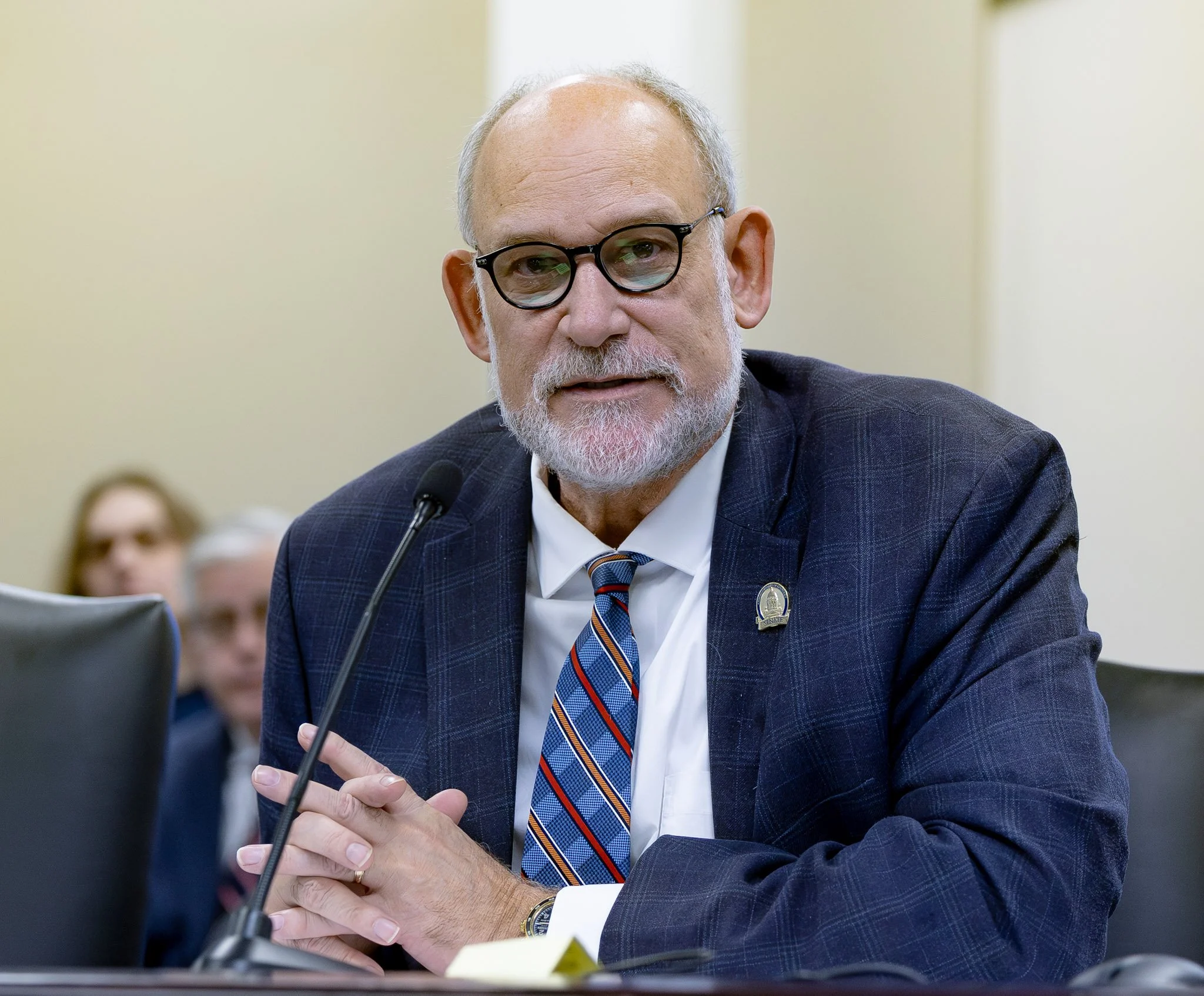
FRANKFORT, Ky. (Feb. 25, 2026) — Senate Bill (SB) 137, sponsored by Sen. Stephen Meredith, R–Leitchfield, passed the Senate Health Services Committee this morning.

SB 137 creates a three-year provisional medical license to help attract experienced physicians to Kentucky, particularly in rural and underserved communities where provider shortages remain a persistent challenge.

The legislation allows qualified physicians who completed medical training outside the United States or Canada, have practiced for at least five years, and have secured employment with a licensed Kentucky health care sponsor to practice under a provisional license. After three years of good standing and continuous employment with the sponsoring entity, the provisional license automatically converts to a full, unrestricted medical license.

The Kentucky Board of Medical Licensure retains authority to revoke a provisional license if the physician loses sponsorship or engages in misconduct, preserving accountability and patient protection standards.

“Kentucky’s physician shortage is real, particularly in rural areas. SB 137 allows us to responsibly expand our workforce by recognizing experienced physicians who are already practicing safely elsewhere, while ensuring they meet Kentucky’s standards.”

SB 137 now moves to the full Senate for consideration.

Learn more about bills, committees, and other important updates on the 2026 Regular Session at www.kylegislature.gov.
STORM FILES SB 221 TO STRENGTHEN PENALTIES FOR ABUSE OF A CORPSE

STORM FILES SB 221 TO STRENGTHEN PENALTIES FOR ABUSE OF A CORPSE

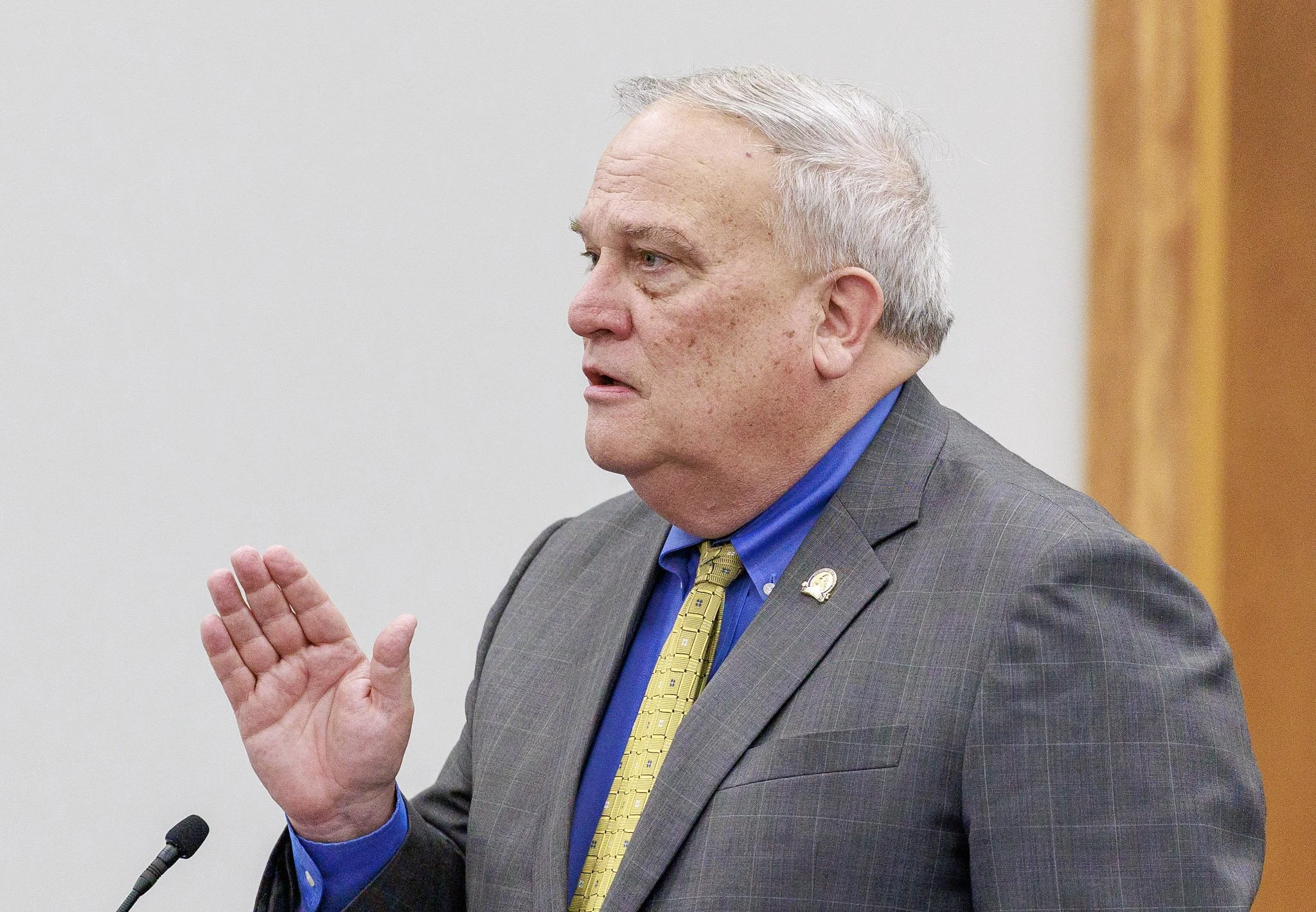
FRANKFORT, KY. (Feb. 25, 2026) Sen. Brandon Storm, R-London, recently filed Senate Bill (SB) 221 to strengthen Kentucky law relating to abuse of a corpse and to ensure greater accountability in handling and final disposition of human remains. 


SB 221 amends KRS 525.120 to clarify and expand criminal penalties for individuals who violate the trust placed in them during funeral and burial arrangements. The bill makes it a Class D felony to knowingly accept payment for the preparation, burial, or cremation of a body and then deliberately fail to carry out those services in accordance with the contract.

The legislation also prohibits the purchase, sale, or transfer of a corpse or any part of a corpse for compensation once final disposition has been authorized through burial or cremation.

“When families entrust someone with the care of their loved one, that trust must never be violated,” Storm said. “This legislation strengthens accountability and ensures that those who exploit grieving families or mishandle human remains face serious consequences.”

Abuse of a corpse remains classified as a Class D felony under Kentucky law. SB 221 reinforces that standard and clarifies specific conduct that constitutes criminal behavior.


SB 221 has been filed and is pending further action by the Kentucky General Assembly. 

Learn more about bills, committees, and other important updates on the 2026 Regular Session at www.legislature.ky.gov.

WEST’S SB 162 PASSES SENATE TO REFORM KENTUCKY’S JUVENILE DIVERSION PROCESS

WEST’S SB 162 PASSES SENATE TO REFORM KENTUCKY’S JUVENILE DIVERSION PROCESS

FRANKFORT, Ky. (Feb. 25, 2026) — The Kentucky Senate has passed Senate Bill (SB) 162, sponsored by Sen. Steve West, R-Paris, to improve and streamline the state’s juvenile diversion process.

SB 162 removes the mandatory “Family Accountability, Intervention and Response (FAIR) Team” requirement in certain cases, primarily those involving status offenses such as habitual truancy, running away, and being beyond parental or school control. The FAIR Team model was established in 2014 with the goal of keeping children out of court and connecting families with community-based services.


West said that while the original intent was sound, the process has often become slow and inconsistent in practice.


“Over the years, we’ve listened carefully to superintendents, prosecutors and court officials who work in this system every day,” West said. “SB 162 is about making the process more responsive and more effective to ensure that students receive appropriate intervention sooner while maintaining diversion as a meaningful option.”


The bill preserves discretion for court designated workers to continue collaborating with parents, schools, and community partners when appropriate, but removes the requirement that a FAIR Team be convened in every applicable case.


SB 162 now moves to the House of Representatives for consideration.


Learn more about bills, committees and other important updates on the 2026 Regular Session at www.kylegislature.gov.
BLEDSOE'S PROPOSAL LOWERING COSTS AND CUTTING RED TAPE FOR SMALL CITIES APPROVED BY SENATE COMMITTEE

BLEDSOE'S PROPOSAL LOWERING COSTS AND CUTTING RED TAPE FOR SMALL CITIES APPROVED BY SENATE COMMITTEE

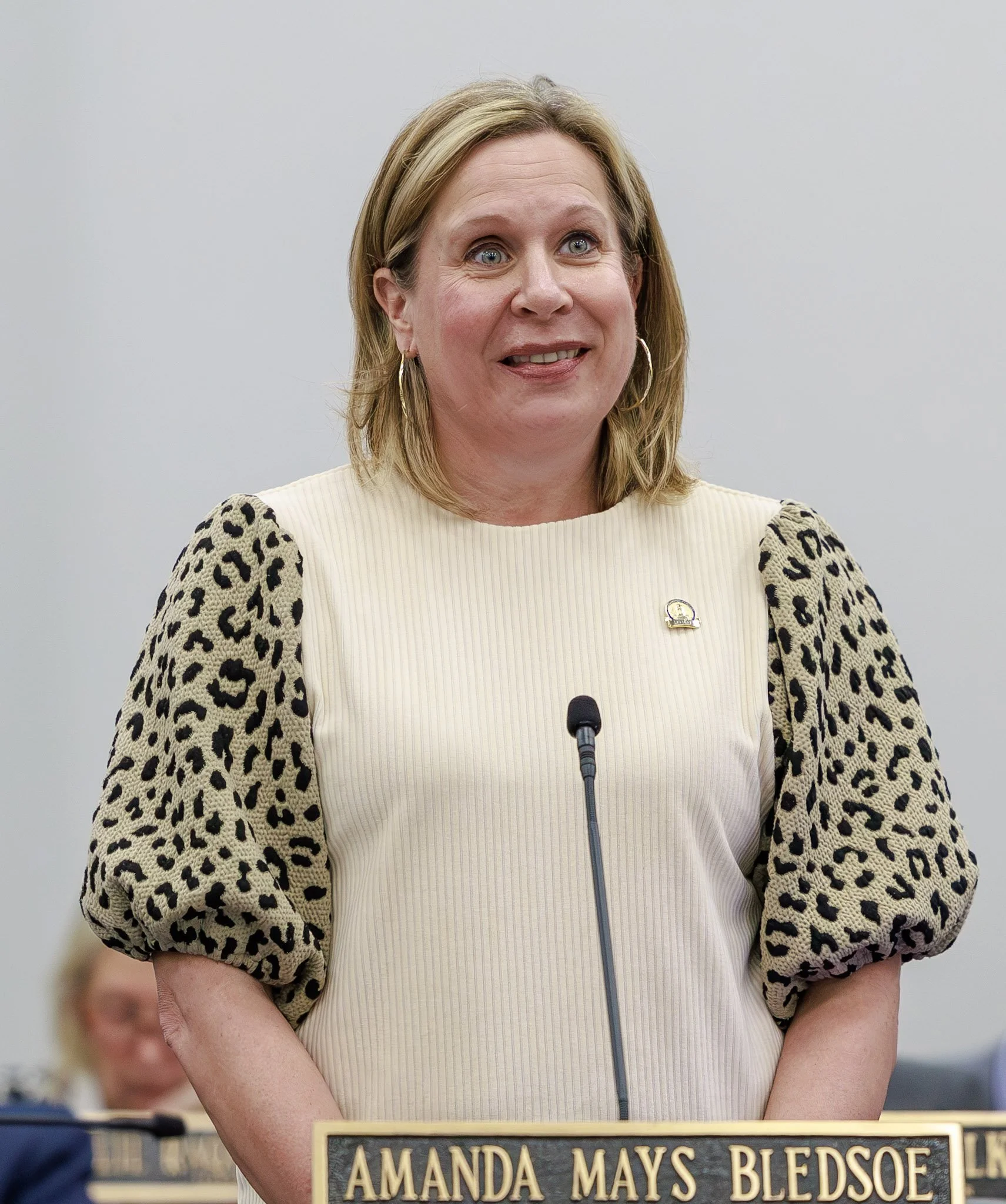
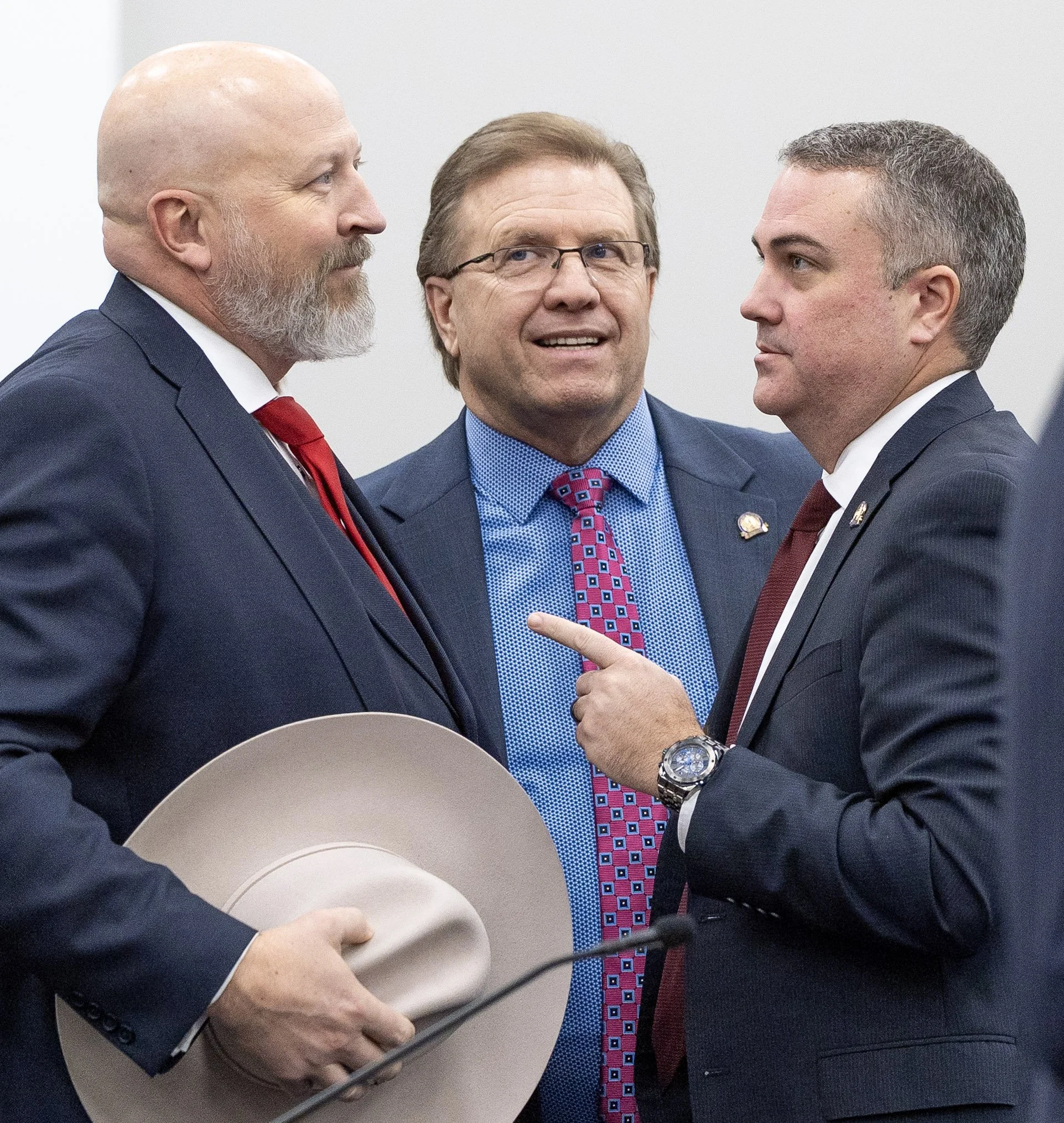
FRANKFORT, Ky. (Feb. 25, 2026) — The Senate State and Local Government Committee has approved Senate Bill (SB) 192, legislation sponsored by Sen. Amanda Mays Bledsoe, R-Lexington, that modernizes financial reporting requirements for Kentucky’s smaller cities while strengthening transparency and accountability.

SB 192 updates outdated one-size-fits-all mandates that require small municipalities to follow complex accounting standards designed for much larger governments.

Under current law, many smaller cities are subject to complex audit requirements designed for much larger governments. Bledsoe told the committee the existing approach has become increasingly costly, particularly as the number of certified public accountants available to perform municipal audit work has declined in recent years.

Bledsoe’s SB 192 allows cities receiving or expending less than $15 million annually from all sources to complete an agreed-upon procedures engagement in certain circumstances, performed by a certified public accountant or the Auditor of Public Accounts.To qualify, a city must not have been subject to a special examination in the prior fiscal year or the year to be audited and must not be required by state or federal law to undergo a more stringent audit.

Like traditional audits, agreed-upon procedures engagements must be completed and presented to the city’s legislative body by March 1, submitted to the Department for Local Government (DLG) by April 1 and published publicly. The measure also requires cities to publish a budget-to-actual comparison for the general fund and submit reports to the Auditor of Public Accounts.

As Senate Budget vice chair and a former member of the Lexington-Fayette Urban County Council, Bledsoe said she understands the pressure state mandates place on small communities.

“Taxpayers expect accountability, but they also expect common sense,” Bledsoe said. “When small cities divert limited resources to comply with rules designed for much larger governments, that money comes straight out of essential services. This bill protects transparency while giving local officials the flexibility to meet standards in a way that fits the size of their community and respects taxpayer resources.”

SB 192 establishes guardrails for agreed-upon procedures engagements, requires adherence to professional standards and maintains public reporting requirements. The bill authorizes the Auditor of Public Accounts to establish additional criteria through administrative regulation and allows DLG to step in when a city falls behind on required audits. It also includes a “catch-up” provision allowing cities more than two years behind on required audits or financial statements to regain compliance through an agreed-upon procedures engagement, subject to oversight by DLG.

Committee members voiced support for the bill.

Sen. Greg Elkins, R-Winchester and committee vice chair, called the legislation “long overdue” and said it would help smaller cities better manage accounting and audit costs while maintaining necessary oversight.

Senate Majority Caucus Chair Robby Mills, R-Henderson, also expressed support for the measure, noting his familiarity with municipal finance matters and emphasizing the importance of practical solutions for city governments.

The bill reflects collaboration and support from the Auditor of Public Accounts, the Kentucky League of Cities and the Kentucky Society of Certified Public Accountants.

SB 192, as amended by committee substitute, passed the Senate State and Local Government Committee and now advances to the full Senate for consideration during the 2026 Regular Session. Click here to find SB 192 in full.